
 2 months ago
57
2 months ago
57
- The Senate confirmed Kevin Warsh to a 14-year Federal Reserve governor term in a 51-45 vote
- Warsh is expected to replace Jerome Powell as Fed chair as soon as this week
- Markets are increasingly worried political pressure could reshape Fed independence and interest rate policy
The United States Senate officially confirmed Kevin Warsh to a 14-year term as Federal Reserve governor on Tuesday, putting him firmly on track to become the next chair of the US central bank once Jerome Powell’s term expires later this week.
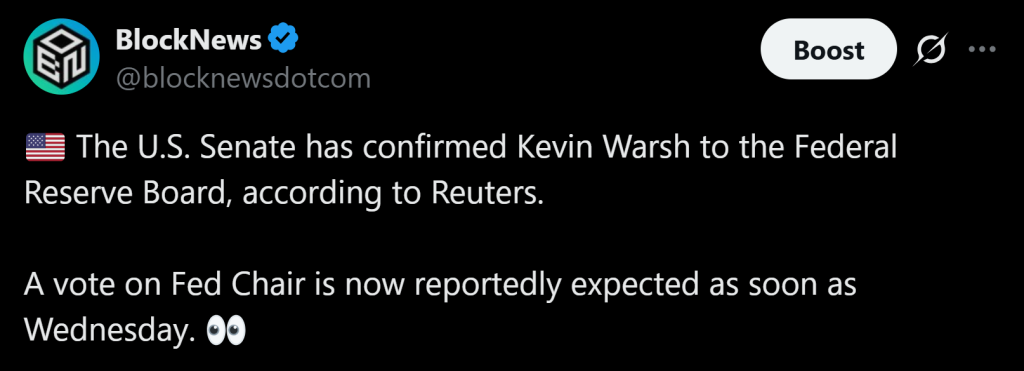
The confirmation passed by a 51-45 vote, with Democratic Senator John Fetterman joining Republicans in support of Warsh’s appointment. The Senate also advanced the procedural process for approving Warsh’s separate four-year term as Fed chair, which could happen as soon as Wednesday.
Warsh Arrives During A Highly Political Fed Moment
Warsh, a former Federal Reserve governor, lawyer, and financier, will take over at a time when the Fed’s political independence is facing some of the strongest pressure in decades.
President Donald Trump has spent months publicly demanding lower interest rates while simultaneously criticizing Powell and the Fed’s current policy direction. The administration also backed a Department of Justice investigation tied to Powell’s management of a Federal Reserve renovation project, though the DOJ later dropped the probe.
Even so, the lead prosecutor reportedly said the investigation could still be reopened later if necessary.
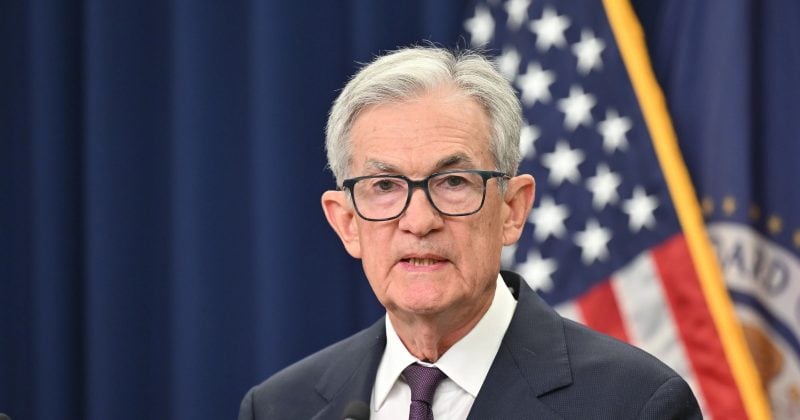
Powell plans to remain on the Federal Reserve Board after stepping down as chair, an unusual move he reportedly views as necessary given what he described as increasing legal and political pressure surrounding the institution.
Warsh Wants “Regime Change” At The Fed
Warsh has already signaled that he intends to dramatically reshape how the Federal Reserve operates. He previously called for “regime change” at the central bank, arguing for tighter coordination between the Fed, Treasury Department, and Trump administration on broader economic policy.
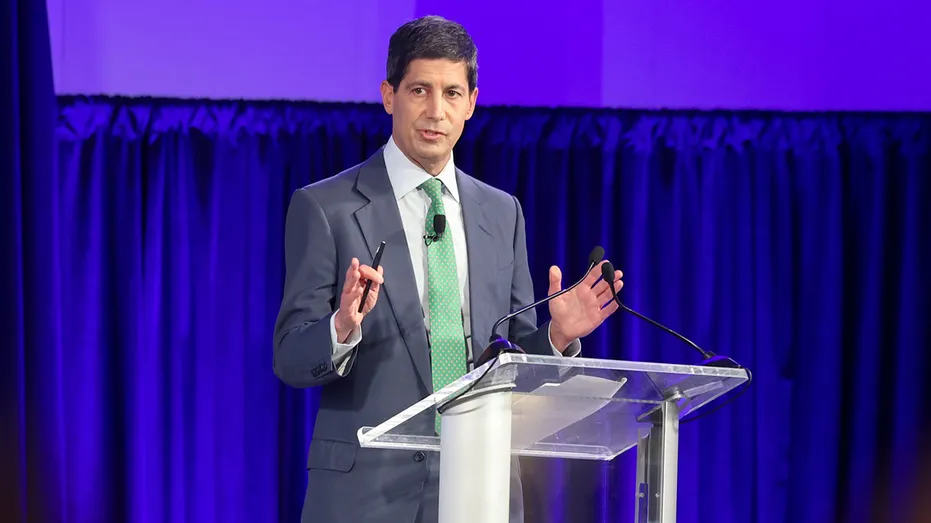
He also supports reducing the Fed’s balance sheet more aggressively, believing a smaller balance sheet could eventually justify lower policy rates over time.
That position aligns closely with Trump’s repeated calls for easier monetary policy and faster interest rate cuts.
Inflation And Oil Prices Complicate The Picture
The timing for any rate-cut push, though, is becoming increasingly complicated. Inflation concerns have intensified again following a surge in oil prices tied to the ongoing Iran conflict.
Markets have sharply reduced expectations for near-term rate cuts, and some traders are now even pricing in roughly a one-in-three chance of another rate hike before the end of the year. The Fed’s current benchmark rate remains within the 3.50%–3.75% range.
That backdrop means Warsh could inherit one of the most politically difficult Federal Reserve environments in years almost immediately after taking office.
Markets Will Watch The June Fed Meeting Closely
The Federal Reserve’s next policy meeting is scheduled for June 16-17 and will likely become the first major test of Warsh’s leadership if his chair confirmation moves through as expected.
While the Fed chair only controls one vote on the 12-member Federal Open Market Committee, the position still heavily shapes communication, market expectations, and broader policy direction.
And honestly, investors are no longer just watching inflation and rates anymore. They’re now also watching how much political influence the White House may ultimately gain over one of the world’s most important financial institutions.
Disclaimer: BlockNews provides independent reporting on crypto, blockchain, and digital finance. All content is for informational purposes only and does not constitute financial advice. Readers should do their own research before making investment decisions. Some articles may use AI tools to assist in drafting, but every piece is reviewed and edited by our editorial team of experienced crypto writers and analysts before publication.



 English (US) ·