
 1 hour ago
20
1 hour ago
20
KLA Corporation has quietly become one of the most dominant performers in the semiconductor space this year, with shares surging roughly 113.6% year-to-date through mid-June. The semiconductor process control giant, which makes the equipment that ensures chip manufacturers aren’t producing expensive silicon paperweights, has ridden the AI wave to record revenues and a string of analyst upgrades. Barclays now has a price target of $2,250 on KLAC, while Cantor Fitzgerald went even more aggressive at $2,500.
A stock split, a record high, and a whole lot of momentum
KLA executed a 10-for-1 stock split effective around June 12, 2026. The day before, shares jumped more than 12% in anticipation. Post-split, KLAC hit an all-time closing high of $259.56 on June 18. The company also bumped its dividend alongside the split.
The numbers behind the hype
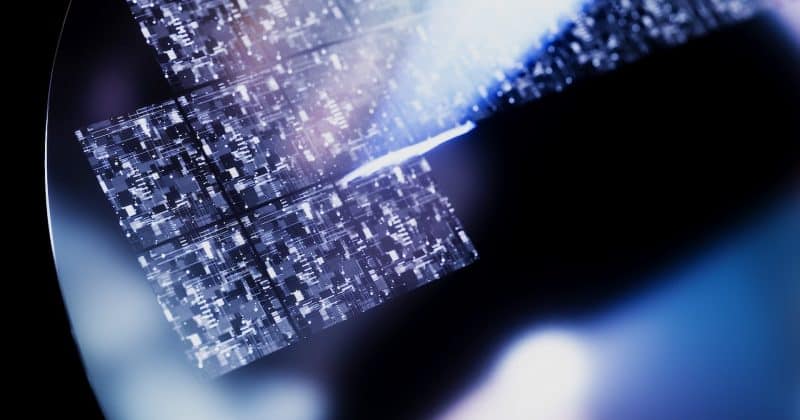
KLA reported Q3 revenue of $3.42 billion, with double-digit growth in AI-related segments. To understand why KLA matters, you need to understand the semiconductor supply chain. Companies like NVIDIA design chips. Companies like TSMC manufacture them. But companies like KLA make the inspection and measurement equipment that ensures those chips actually work. Without KLA’s tools, yield rates plummet and chip production becomes economically unviable.
Both Barclays and Cantor Fitzgerald framed their upgraded price targets around what they see as an early-stage growth cycle in wafer fabrication equipment. KLAC has handily outperformed the S&P 500 this year.
What this means for the broader tech and crypto landscape
KLA has no token, no blockchain strategy, and no plans to put its yield data on-chain. The AI infrastructure buildout that’s driving KLA’s revenue growth is the same infrastructure buildout that underpins GPU-accelerated computing, which powers everything from large language models to cryptocurrency mining operations. Projects building decentralized computing frameworks, from Render to Akash to io.net, ultimately depend on the availability of advanced GPUs and specialized processors. The equipment KLA provides helps determine how many of those chips can be manufactured and at what cost.
The risk is cyclicality. Semiconductor equipment spending has historically been boom-and-bust, with capex cycles that can turn vicious when demand softens. If AI spending plateaus or chip inventories build up faster than expected, companies like KLA would feel it in their order books before most of the market notices.
Disclosure: This article was edited by Editorial Team. For more information on how we create and review content, see our Editorial Policy.







 English (US) ·