
 5 hours ago
13
5 hours ago
13
When an exchange starts selling its own Bitcoin to pay the bills, it is worth paying attention. That is exactly what Korbit, one of South Korea’s five licensed crypto exchanges, announced it would do: sell 15 BTC and 60 ETH between July 3 and July 31 to cover operating expenses, including labor costs.
The numbers tell a bleak story
The combined weekly trading volume across South Korea’s five major platforms, Upbit, Bithumb, Coinone, Korbit, and Gopax, fell to roughly 9.97 trillion won during the week of July 3 to July 10. That is approximately $6.65B, and it represents a 25.75% drop from the prior week alone.
Monthly average volumes across these platforms dropped from 125.2 trillion won in the fourth quarter of 2025 to 98.1 trillion won in the first quarter of 2026. The 88% decline figure reflects the broader multi-month collapse in activity, not a single bad week. These are the lowest volume levels the market has recorded in two years.
Korbit’s decision to sell crypto assets to fund operations is, on one level, entirely mundane. Exchanges hold treasury assets, and when fee revenue dries up, those reserves become the backstop. The company, which is owned by Mirae Asset, has a track record of disclosing these moves publicly rather than quietly offloading holdings. Analysts who have reviewed similar situations have generally characterized this kind of gradual, pre-announced asset disposition as routine liquidity management rather than a distress signal.
Why South Korean volumes collapsed
South Korean investors have been redirecting funds toward stock markets as those have shown stronger near-term momentum. Regulatory pressure has also tightened, with South Korea continuing to implement stricter compliance requirements for exchanges, raising operational costs while making it harder for smaller or less capitalized exchanges to compete.
Fixed operational costs, including staffing, compliance infrastructure, and technology maintenance, do not shrink as fast as fee revenue when volumes fall. Korbit selling treasury holdings to cover payroll is the most visible example of this dynamic playing out in real time.
What investors should watch
The weekly decline of 25.75% during July 3 to 10 is steep even against an already-weak baseline. If volumes continue falling from 9.97 trillion won, exchanges will face increasingly difficult decisions about operations, staffing, and potentially consolidation.
The exchange being owned by Mirae Asset, a major institutional financial group, provides a meaningful cushion that smaller independent exchanges do not have. An exchange without that institutional backing in the same volume environment might face starker choices.
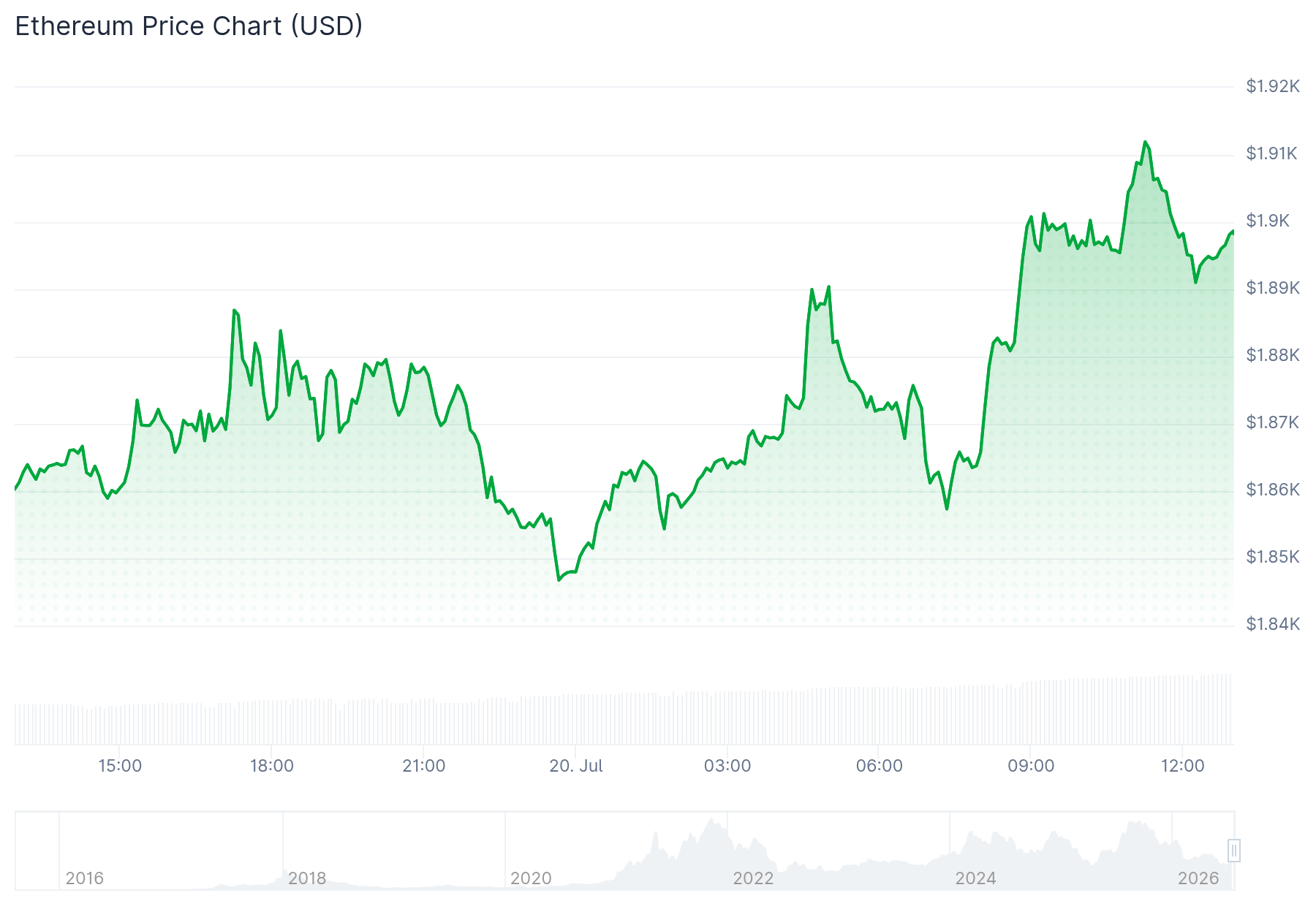
Korbit’s planned sales are not expected to move the needle on BTC or ETH prices. But the conditions that made those sales necessary reflect a structural slowdown in one of crypto’s historically most active retail markets.
Disclosure: This article was edited by Editorial Team. For more information on how we create and review content, see our Editorial Policy.






 English (US) ·