
 1 hour ago
18
1 hour ago
18
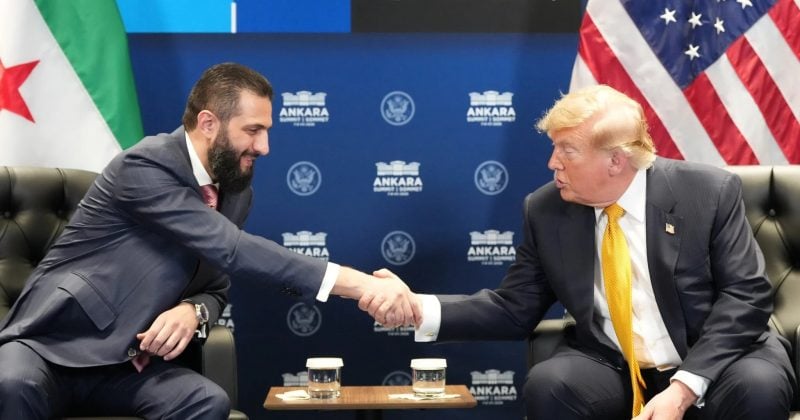
The US just handed Ukraine something it has never given to any country outside Germany and Japan: a license to build Patriot missile interceptors on its own soil. President Trump announced the decision on July 8 during the NATO summit in Ankara, Turkey, standing alongside Ukrainian President Volodymyr Zelenskyy as he framed the move as a long-term fix for chronic supply shortages.
The interceptors in question are the PAC-3 variant, manufactured by Lockheed Martin. And while the announcement sounds like an immediate game-changer, defense analysts say actual production in Ukraine is years away.
What the deal actually involves
Lockheed Martin currently produces roughly 620 PAC-3 interceptors per year, which works out to about 50 to 56 per month. The company has plans to scale that number dramatically, with production targets under newer contracts potentially reaching up to 2,000 missiles annually in coming years.
The license would allow Ukraine to eventually manufacture these interceptors domestically, reducing its dependence on direct US shipments. Setting up a licensed manufacturing operation for advanced missile systems requires massive infrastructure investment, intricate supply chain construction, and the transfer of highly sensitive technical knowledge. Experts estimate the timeline at multiple years before a single Ukrainian-built PAC-3 rolls off a production line.
In the meantime, Ukraine’s interceptor shortage remains very real. The license addresses long-term structural supply issues, not the missiles needed to defend Kyiv next month.
Trump framed the announcement partly as a negotiating lever, noting that both Russia and Ukraine are seeking a settlement. Giving Ukraine the ability to eventually produce its own air defense systems changes the calculus for all parties at the table.
The precedent problem
Before this announcement, only two countries, Germany and Japan, held US licenses for Patriot-related manufacturing. Both are NATO allies with decades of integrated defense cooperation and stable political environments. Ukraine is an active war zone.
The decision to extend this privilege to a country under ongoing military attack is unprecedented. It signals a fundamental shift in how the US thinks about defense technology transfer, one that prioritizes operational necessity over traditional risk frameworks.
Disclosure: This article was edited by Editorial Team. For more information on how we create and review content, see our Editorial Policy.






 English (US) ·