
 52 minutes ago
13
52 minutes ago
13
Fresh geopolitical tensions in the Middle East have amplified conflicting market signals, as headline-driven moves increasingly contrast with underlying fundamentals across oil, rates and risk assets, according to a new report from QCP.
Oil best illustrates the gap between headline-driven market moves and underlying fundamentals, analysts noted.
Brent crude has rebounded to nearly $79 per barrel as renewed tensions around the Strait of Hormuz, including US strikes, Iran-linked attacks, Trump’s reinstated blockade and reduced tanker traffic, heighten supply concerns.
Beneath the surface, however, the supply outlook is improving as Saudi Arabia lowers crude prices aggressively, UAE production exceeds 3.8 million barrels per day and OPEC+ continues raising output.
QCP expects the market to move into a fourth-quarter surplus once Gulf shipping returns to normal, creating downside risk toward the EIA’s $70 per barrel forecast.
Beyond energy
QCP also flagged similar contradictions in monetary policy, economic data and digital assets.
Hawkish messaging from Federal Reserve officials contrasts with slowing US consumer credit growth, while China’s manufacturing recovery continues to outpace consumer demand.
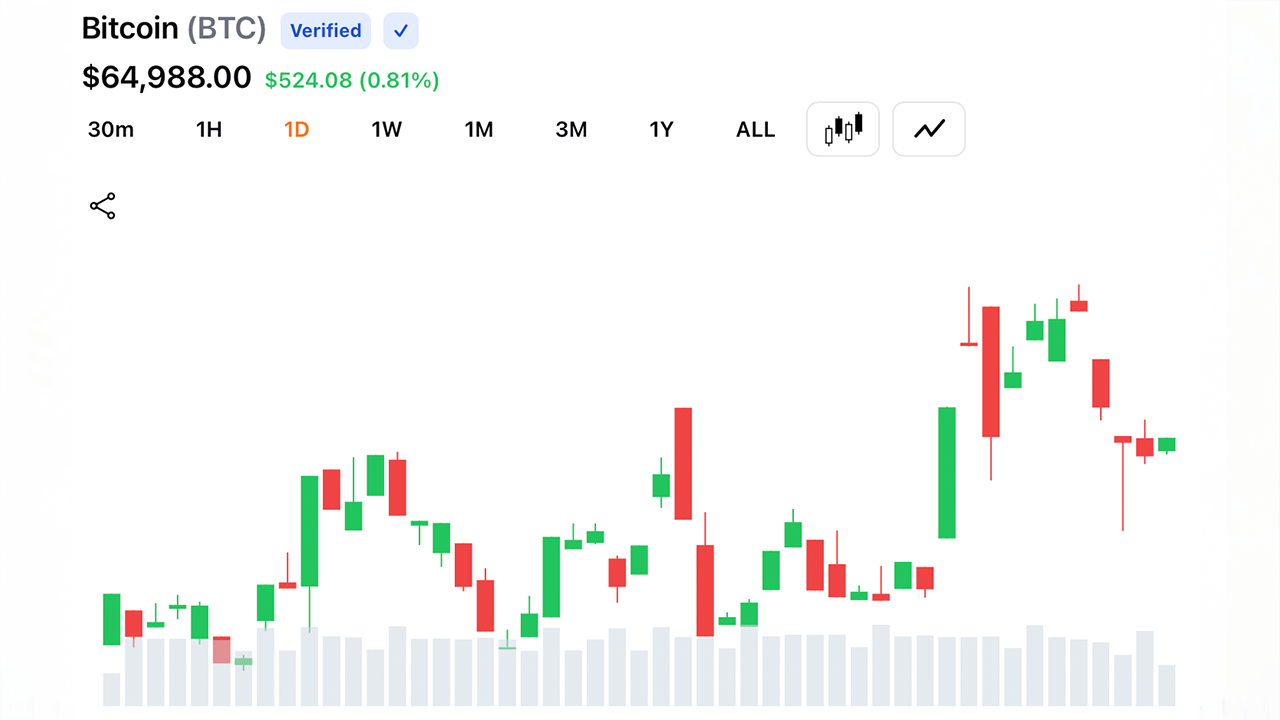
In crypto markets, Strategy altered its financing approach rather than its Bitcoin strategy by raising nearly $467 million through its at-the-market equity program, increasing its cash reserves to $3 billion while keeping Bitcoin holdings unchanged following an earlier sale of 3,588 BTC.
Although the move reduces reliance on Bitcoin sales, investors have become more cautious, with Strategy shares falling even as Bitcoin gained during the week.
On the Clarity Act, analysts warned that legislative momentum could stall as the bill grows more complex, with limited floor time before the August recess, the need for bipartisan votes and outstanding regulatory issues threatening to push consideration into the election campaign period.
Disclosure: This article was edited by Editorial Team. For more information on how we create and review content, see our Editorial Policy.





 English (US) ·