
 2 hours ago
26
2 hours ago
26
The US and Iran agreed to pause military strikes on July 26, and global markets responded with immediate enthusiasm.
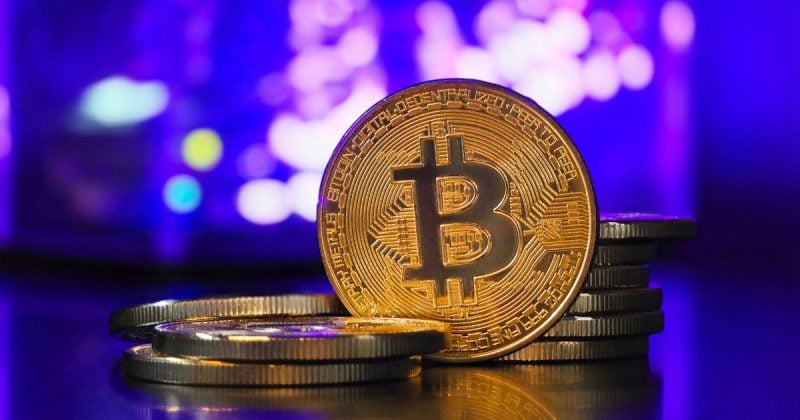
Major stock indices including the S&P 500, Dow Jones, and Nasdaq all posted significant gains as oil prices dropped to multi-month lows. The crypto market joined the party too, with Bitcoin climbing as traders rotated back into risk-on mode after weeks of conflict-driven anxiety.
What actually happened
The pause follows a period of aggressive escalation between Washington and Tehran, with US strikes on Iranian targets drawing counter-responses that had markets on edge for weeks. The agreement builds on an earlier interim deal struck in June 2026, which focused on reopening the Strait of Hormuz, one of the world’s most critical oil transit chokepoints.
For context, roughly 20% of the world’s petroleum passes through that narrow waterway.
The June agreement also addressed Iran’s nuclear ambitions, though the complexity of that issue means it’s more of a chapter heading than a resolved plot point.
Crypto’s geopolitical trade
Bitcoin’s reaction to the truce fits a pattern that’s been developing throughout this conflict cycle. During an earlier round of de-escalation signals in June, Bitcoin moved from approximately $63,600 to around $65,800. That’s a roughly 3.5% swing driven almost entirely by geopolitical sentiment rather than any on-chain catalyst.
The flip side of that coin is equally telling. During the worst of the escalation periods, approximately $80 billion was wiped from the broader crypto market capitalization.
Why this matters for your portfolio
For traditional market investors, the falling oil prices are the key variable to watch. If the Strait of Hormuz stays open and energy prices remain subdued, that removes one of the major inflationary headwinds that has complicated central bank policy this year.
The risk scenario is straightforward. If the pause collapses and hostilities resume, expect another sharp drawdown in crypto markets. That $80 billion wipeout during the escalation phase was a preview of what happens when geopolitical risk reprices overnight in a market that trades 24/7 with significant leverage.
Disclosure: This article was edited by Editorial Team. For more information on how we create and review content, see our Editorial Policy.




 English (US) ·