
 3 months ago
129
3 months ago
129
Nvidia has poured more than $40 billion into AI and technology companies so far in 2026, a figure that already surpasses its total investment activity from all of 2025. The GPU giant isn’t just selling shovels during the gold rush anymore. It’s buying stakes in the mines, too.
The centerpiece of this spending spree is an approximately $30 billion investment in OpenAI, the largest single equity deal in Nvidia’s history. The remaining billions are spread across a portfolio of AI infrastructure plays, including a notable deal with IREN, a company that used to mine Bitcoin before pivoting to AI compute.
Financing your own demand
Here’s the thing about Nvidia’s investment strategy: the companies it’s backing are also its biggest customers. OpenAI runs massive GPU clusters to train and serve its models. IREN is building out AI compute infrastructure. These entities need Nvidia hardware, and lots of it.
In English: Nvidia is writing checks to companies that will turn around and spend a significant chunk of that money buying Nvidia chips.
The IREN deal illustrates the pattern clearly. The arrangement includes a $2.1 billion equity warrant alongside a $3.4 billion AI compute infrastructure agreement. IREN, which previously operated as a Bitcoin mining company, is effectively being bankrolled to build data centers that will run Nvidia silicon.
The crypto crossover nobody saw coming
IREN’s transformation from Bitcoin miner to AI infrastructure provider deserves its own spotlight. Bitcoin mining operations already have the three things AI data centers need most: power capacity, cooling infrastructure, and facilities designed to run GPUs around the clock.
For Nvidia, backing these conversions serves a dual purpose. It expands the physical infrastructure capable of running its chips while simultaneously reducing the pool of GPU capacity available for competing uses.
Dot-com déjà vu
Commentators have begun drawing parallels between Nvidia’s circular financing approach and dynamics that characterized the late 1990s technology bubble. During the dot-com era, companies like Cisco and Sun Microsystems provided vendor financing to startups that used the capital to buy networking equipment and servers, from Cisco and Sun Microsystems. Revenue looked spectacular until the customers ran out of money and the loans went bad.
The bull case is that this time the underlying technology generates real economic value. OpenAI reportedly generates meaningful revenue. The demand for AI compute appears to be genuine and growing.
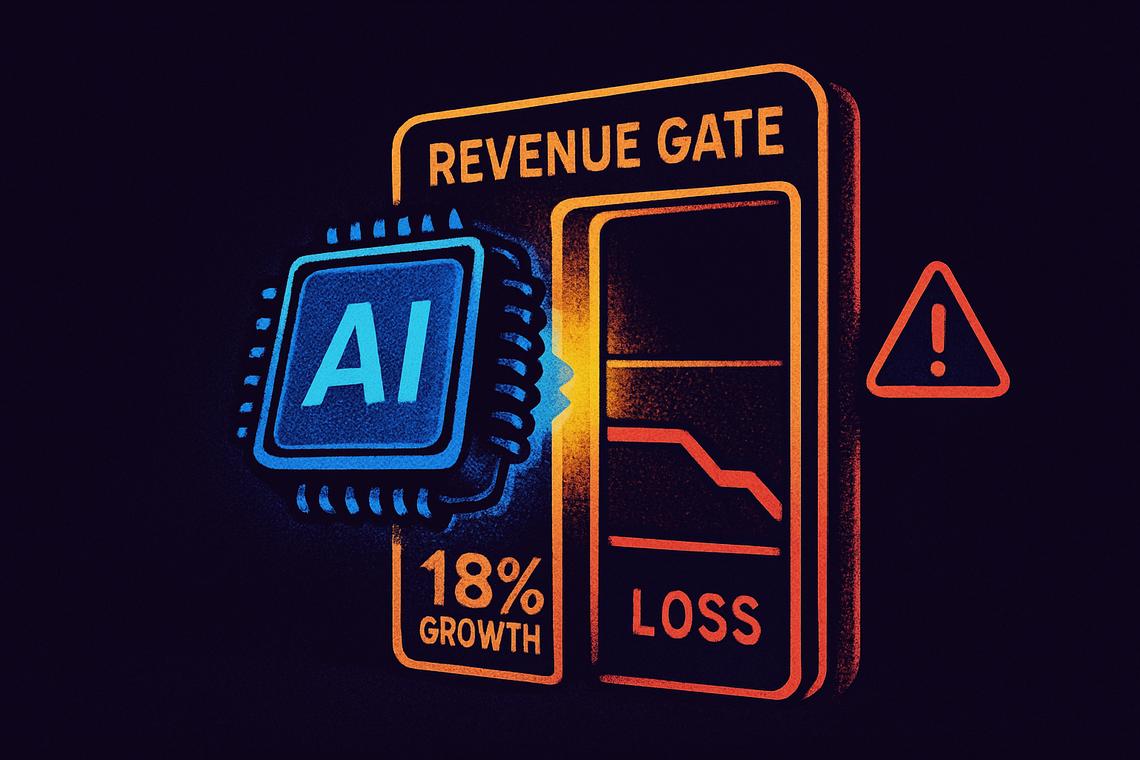
The bear case is that $40 billion in equity deals creates a web of financial interdependence where a downturn in AI spending could cascade through Nvidia’s portfolio and its revenue simultaneously. If your customers are also your portfolio companies, a recession in your sector hits you twice: once on the income statement, once on the balance sheet.
Nvidia is effectively becoming a centralized capital allocator for the entire AI ecosystem, choosing which companies get funded and, by extension, which projects get built. That’s an extraordinary amount of influence for a company whose primary business is designing chips.
Disclosure: This article was edited by Editorial Team. For more information on how we create and review content, see our Editorial Policy.





 English (US) ·