
 1 hour ago
22
1 hour ago
22
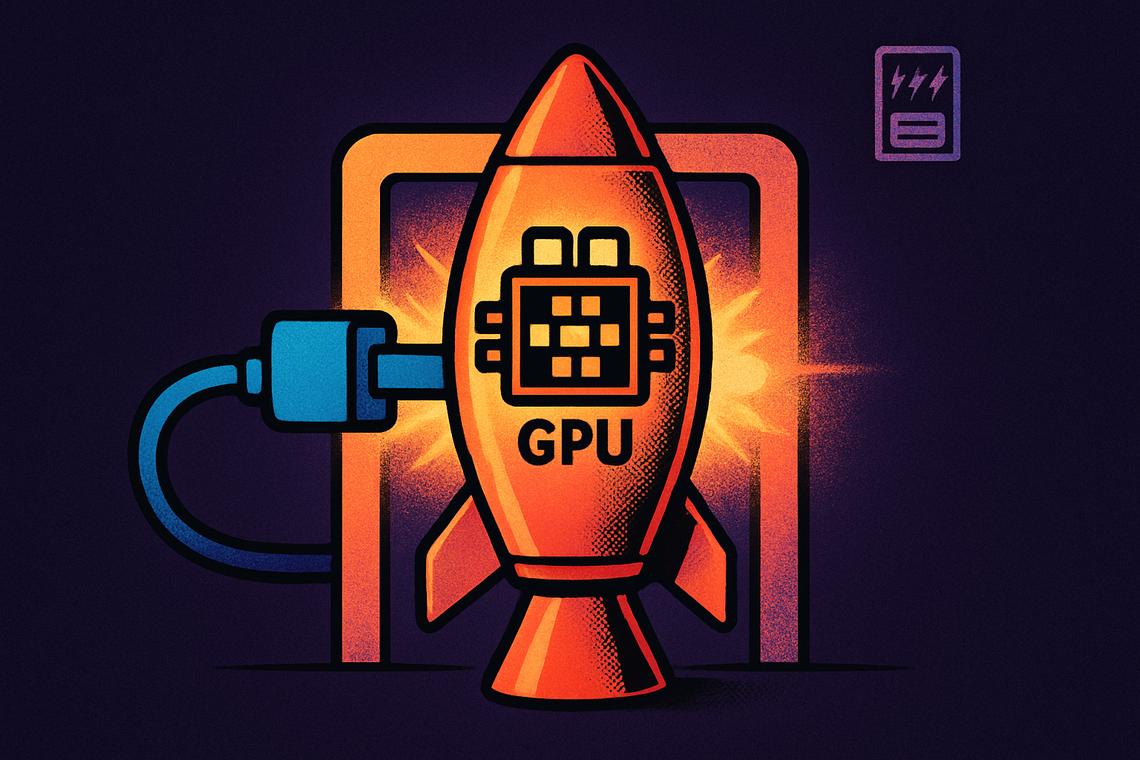
Renting Nvidia’s workhorse AI chip just got a lot more expensive. The cost of H100 GPU rentals climbed roughly 40% between October 2025 and March 2026, according to data from SemiAnalysis, with average rates jumping from $1.70 per GPU-hour to $2.35 per GPU-hour. And if you want to actually get your hands on a cluster of these chips, you’re looking at 12 to 18 months of waiting.
The price spike represents a sharp reversal from the trend that defined much of 2025, when GPU rental prices dropped more than 60% from their 2023-2024 peaks.
What’s driving the squeeze
Inference workloads and multi-agent AI systems have pushed compute requirements well beyond what the existing supply base can handle. On-demand H100 capacity is effectively sold out across Neoclouds and hyperscalers alike.
Even modest deployments have become hard to secure. Clusters as small as 8 nodes, or 64 GPUs, are increasingly difficult to procure on short notice.
February 2026 saw particularly aggressive price moves, with 15-20% increases recorded in a single month as providers adjusted to the new demand reality.
The broader market for on-demand H100 rentals now spans a wide range, from $2.19 to over $4 per GPU-hour depending on the provider and whether the capacity is reserved in advance or purchased on the spot.
Blackwell backlog deepens the problem
Lead times for B200 and GB200 deployments have stretched into mid-2026, with the majority of available 2026 capacity already spoken for.
Some operators have locked in their current H100 contracts at legacy rates, with renewals happening at previously agreed-upon pricing. A few have even extended their commitments through 2028. That kind of four-year contract length was nearly unheard of in cloud GPU markets just 18 months ago.
A market that forgot how to cool off
Prices spiked during the initial generative AI boom in 2023-2024, then came a 60%-plus price decline in 2025, driven by aggressive capacity buildouts from Neocloud specialists like CoreWeave, Lambda, and others, alongside expanded offerings from the major hyperscalers.
By mid-2026, pricing showed some early signs of stabilization, though at levels well above where they sat six months prior.
What this means for the AI ecosystem
For GPU cloud providers, higher utilization rates and rising prices translate to improved revenue per rack. Companies that locked in long-term supply agreements with Nvidia at favorable terms are sitting on what amounts to a spread trade: cheap wholesale, expensive retail.
Hyperscalers like AWS, Google Cloud, and Azure have the balance sheets to absorb temporary margin compression, but smaller Neoclouds may find themselves in a stronger negotiating position than expected. When every GPU is spoken for, the provider with available capacity has leverage regardless of brand name.
Disclosure: This article was edited by Editorial Team. For more information on how we create and review content, see our Editorial Policy.




 English (US) ·