
 1 hour ago
28
1 hour ago
28
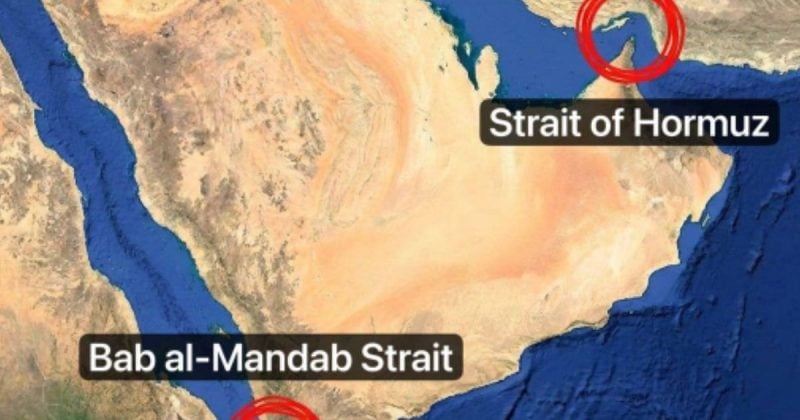
Oil prices have risen as renewed Middle East supply risks stir market concerns, according to a report by Reuters. Brent crude, a key benchmark for oil prices, is experiencing upward pressure from potential disruptions in shipping routes such as the Strait of Hormuz. Recent independent price trackers indicate that Brent is currently priced between $89 and $91, reflecting a recovery from earlier declines when diplomatic talks between the U.S. and Iran temporarily eased fears. The market’s response to geopolitical tensions has pushed oil prices toward a one-month high, suggesting that participants are increasingly factoring in the risk of supply disruptions.
Key Takeaways
- Market activity appears to suggest that investors are reacting to heightened risks of Middle East supply disruptions, especially concerning the Strait of Hormuz.
- Recent price movements in Brent crude, now between $89 and $91, are consistent with concerns about renewed geopolitical tensions.
- Pricing suggests participants view the likelihood of crude oil reaching a new all-time high by December 31 as having increased, with current odds standing at 16% YES.
What to Watch
Observers should monitor developments in the Middle East, particularly around the Strait of Hormuz, for potential impacts on oil supply and pricing. Statements or actions from key actors such as OPEC’s Mohammad Sanusi Barkindo and Saudi Energy Minister Abdulaziz bin Salman Al Saud could influence market perceptions. Additionally, any escalation or de-escalation in U.S.-Iran tensions may impact the market’s outlook on oil prices reaching new highs by the end of the year.
Get live prediction-market analysis, powered by Vera. Sign up for Vera.
Disclosure: This article was edited by Estefano Gomez. For more information on how we create and review content, see our Editorial Policy.








 English (US) ·