
 1 hour ago
20
1 hour ago
20
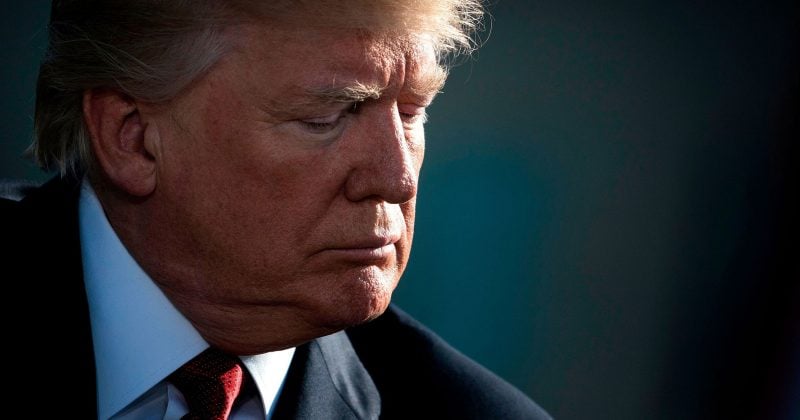
Oil prices have fallen sharply, dropping over 6% following reports that former U.S. President Donald Trump canceled a planned attack on Iran to pursue a nuclear deal. The decision appears to have eased geopolitical tensions, contributing to a risk-on sentiment in U.S. equity index futures. S&P 500 futures have gained 0.4% while Nasdaq futures have advanced by 0.6%, reflecting optimism in financial markets.
This development comes amid ongoing geopolitical volatility in the Middle East, where oil supply concerns have been a significant market driver. Historical patterns show that easing tensions often lead to declines in oil prices. With crude oil markets reacting to these geopolitical cues, the likelihood of oil reaching new all-time highs by September appears to have decreased. Market participants seem to interpret this as a reduction in immediate geopolitical risks affecting oil supply.
Key Takeaways
- Market activity suggests that the cancellation of a planned U.S. attack on Iran could indicate reduced geopolitical tensions, consistent with decreased oil prices.
- S&P 500 and Nasdaq futures’ gains indicate optimism in U.S. equity markets, possibly reflecting confidence in diplomatic progress.
- Pricing in prediction markets implies a lower likelihood of crude oil reaching new all-time highs in the near term.
What to Watch
Monitoring developments in U.S.-Iran relations will be crucial in assessing future oil price movements. Any confirmed progress towards a nuclear deal could further support the scenario of stabilized oil prices. Conversely, unexpected geopolitical escalations could renew upward pressure on crude prices. Key actors to watch include OPEC officials and energy policy leaders who may respond to these geopolitical shifts with adjustments in production strategies.
Get live prediction-market analysis, powered by Vera. Sign up for Vera.
Disclosure: This article was edited by Estefano Gomez. For more information on how we create and review content, see our Editorial Policy.






 English (US) ·