
 5 hours ago
11
5 hours ago
11
Oil prices cratered more than 4% after the US and Iran announced a framework agreement that, if fully realized, would reopen one of the world’s most critical shipping lanes and fundamentally reshape the energy supply picture. Brent crude slipped toward $82-83 per barrel, approaching three-month lows.
Bitcoin, meanwhile, climbed above $65,500, hitting a two-week high as traders rotated into risk assets.
What the deal actually covers
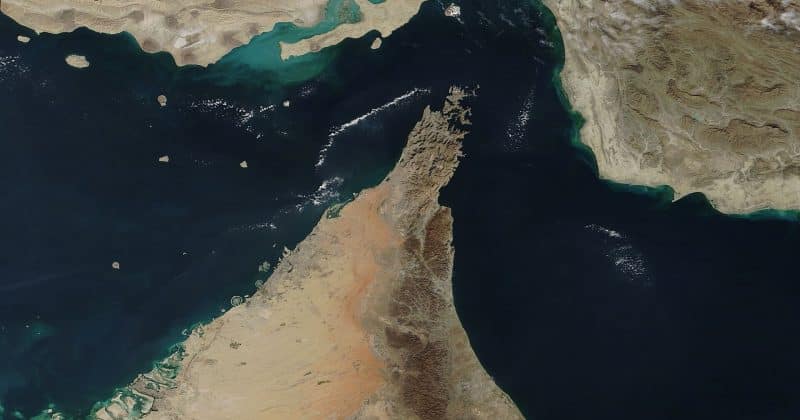
The framework, announced over the June 14-15 weekend, is ambitious in scope. It calls for extending a ceasefire, ending hostilities in Lebanon, reopening the Strait of Hormuz, and lifting the US naval blockade that had been choking Iranian oil exports and rattling global shipping routes.
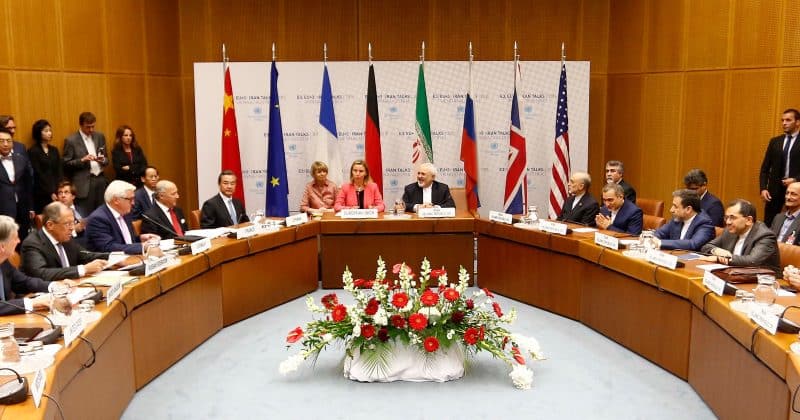
The Strait of Hormuz handles roughly 20% of the world’s oil transport. The agreement also establishes a 60-day negotiating window for discussions on Iran’s nuclear program.
This conflict didn’t materialize out of thin air. Tensions between Washington and Tehran escalated sharply following US and Israeli military actions against Iran that began on February 28, 2026. What followed was a series of fragile ceasefires, shipping disruptions, and geopolitical instability. The naval blockade and Hormuz closure had been injecting a substantial risk premium into crude prices for months.
Crypto’s risk-on reflex
Bitcoin’s push above $65,500 fits into a pattern where capital flows toward riskier bets when geopolitical fear subsides. While Bitcoin caught a meaningful bid, altcoins showed a more subdued reaction, suggesting traders are selectively deploying capital rather than broadly entering the market.
What this means for investors
For energy-exposed portfolios, if the Strait of Hormuz fully reopens and Iranian crude flows back onto the market at pre-conflict levels, that $82-83 Brent price could have more room to fall, depending on how quickly negotiations progress during the 60-day window.
For crypto investors, lower energy costs tend to reduce inflationary pressures, which in turn makes central banks less likely to tighten monetary policy — conditions that have historically been tailwinds for Bitcoin and risk assets broadly.
A framework is not a final deal. The 60-day negotiation period on Iran’s nuclear program is where things could unravel. If these discussions stall or collapse, expect the oil risk premium to return, and crypto’s risk-on rally to reverse with it.
Investors should watch whether Iranian oil actually begins flowing through the Strait at meaningful volumes, and any signals from the nuclear negotiations that suggest either progress or breakdown.
Disclosure: This article was edited by Editorial Team. For more information on how we create and review content, see our Editorial Policy.






 English (US) ·