
 1 hour ago
19
1 hour ago
19
Oman has thrown its weight behind the US-Iran memorandum of understanding on the Strait of Hormuz, explicitly ruling out any transit fees for commercial vessels passing through the narrow waterway that connects the Persian Gulf to the open ocean.
The MoU, signed on June 17, 2026, establishes a 60-day window of toll-free safe passage through the strait. It also requires the removal of mines and other obstacles from the waterway, a process expected to take roughly 30 days.
Why the Strait of Hormuz matters to everyone
The Strait of Hormuz is roughly 21 to 22 miles wide at its narrowest point, and it falls entirely within Iranian and Omani territorial waters. When Iran blocked the strait earlier in 2026, retaliating against US and Israeli military actions, it sent shockwaves through every market that touches energy. The US responded to that closure with a naval blockade, escalating tensions significantly. The MoU represents the first real de-escalation since that standoff began.
Oman’s Foreign Minister Badr Albusaidi has been unambiguous about the country’s position, reaffirming its commitment to safe passage in alignment with international law. No fees. No service charges.
That last point matters because Iran had floated proposals for potential service charges on vessels transiting the strait. The idea was met with resistance from virtually every direction.
The diplomatic mechanics
Iran and Oman established a joint working group on June 23-24, 2026, specifically to discuss future maritime administration of the strait. The working group’s mandate centers on sovereignty and international law, with both sides publicly committing to a fee-free framework.
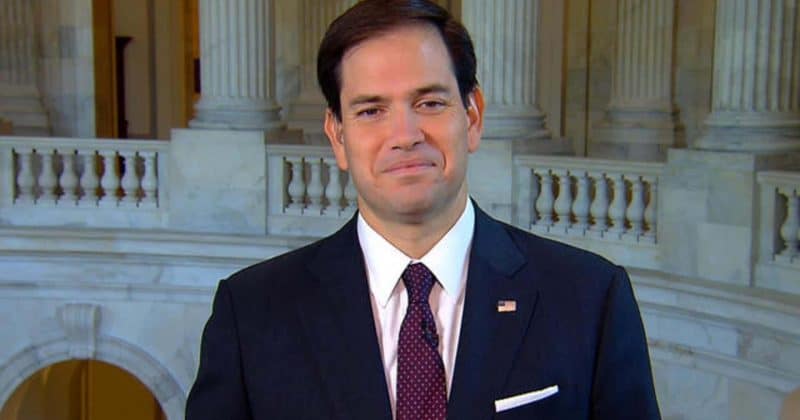
US Secretary of State Marco Rubio has also weighed in, reiterating American opposition to any tolls and pledging to uphold freedom of navigation.
The 60-day toll-free window is essentially a trial period. Both sides get to demonstrate good faith while the mines get cleared and commercial shipping resumes normal operations.
Other Gulf states are watching closely but remain largely on the sidelines of direct negotiations. The complex regional dynamics, involving Saudi Arabia, the UAE, and others who depend on the strait for their own oil exports, add layers of pressure to ensure the agreement sticks.
What this means for markets and crypto investors
When the strait was blocked earlier this year, energy costs spiked, inflation fears resurged, and risk assets, including crypto, took the hit. The resumption of toll-free passage removes one variable from that chain of causation.
The 60-day framework is temporary. If negotiations collapse after that window closes, or if Iran reintroduces fee proposals, the supply disruption narrative could return.
The mine-clearing timeline adds another variable. If the 30-day cleanup drags on, shipping insurance premiums stay elevated even with the MoU in place.
Disclosure: This article was edited by Editorial Team. For more information on how we create and review content, see our Editorial Policy.




 English (US) ·