
 1 hour ago
23
1 hour ago
23
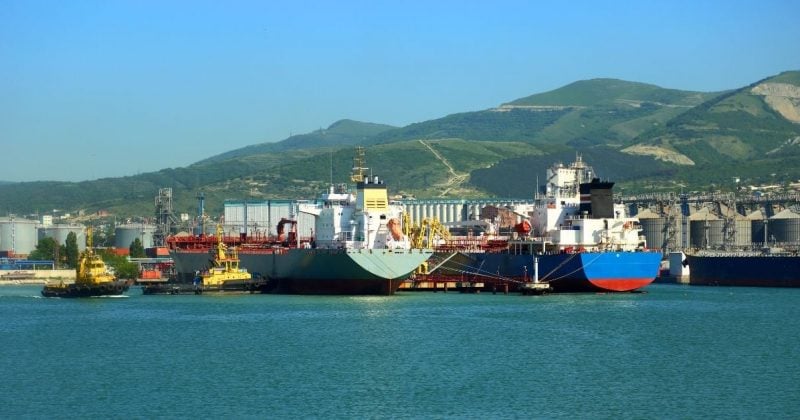
OPEC+, the coalition of oil-producing nations led by Saudi Arabia and Russia, is reportedly expected to increase its oil output in response to supply disruptions caused by ongoing conflicts in the Middle East, according to a report from ET. The Middle East war has significantly impacted oil shipments, particularly through the Strait of Hormuz, leading to substantial global supply constraints. The International Energy Agency has described the situation as the largest oil supply disruption in history at one point, with a sharp decline in Gulf output. Despite these constraints, OPEC+ has been indicating its willingness to adjust production quotas, with previous increases deemed largely symbolic due to the continued challenges in physical exports.
The prediction markets are reacting to these developments, with participants appearing to believe that an increase in oil output by OPEC+ could potentially lead to an oversupply in the market. This scenario is reflected in the current pricing, which shows a decrease in the likelihood of crude oil reaching a new all-time high by the end of September. As of now, the probability stands at 5.4% for a new peak by September 30, down from 7% a week ago.
In contrast, the market for a new all-time high by December 31 shows a slightly higher probability at 14.5%, suggesting that participants might anticipate a possible catalyst or change in market dynamics later in the year. The ongoing geopolitical tensions and OPEC+’s strategic decisions will play a critical role in shaping future expectations.
Key Takeaways
- OPEC+ appears to be considering an increase in oil output due to disruptions from the Middle East conflict, which may impact global oil supply.
- Market pricing suggests participants view the likelihood of crude oil reaching a new all-time high by September 30 as decreasing, with a probability of 5.4%.
- The probability of hitting a new peak by December 31 remains higher at 14.5%, suggesting potential shifts in market sentiment or conditions later in the year.
What to Watch
Observers should monitor any official announcements from OPEC+ regarding changes in oil production quotas. Energy ministers from key nations, including Saudi Arabia and Russia, will be central to these decisions. Additionally, geopolitical developments in the Middle East, particularly regarding the Strait of Hormuz, could further influence market dynamics. Should the situation stabilize, it may support scenarios where oil prices do not reach new highs; conversely, continued instability could push markets in the opposite direction.
Get live prediction-market analysis, powered by Vera. Sign up for Vera.
Disclosure: This article was edited by Estefano Gomez. For more information on how we create and review content, see our Editorial Policy.




 English (US) ·