
 1 hour ago
21
1 hour ago
21
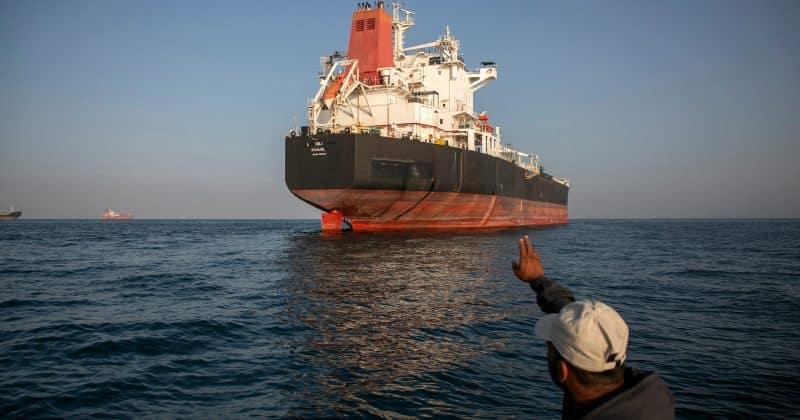
OPEC Plus announced its decision to increase oil production by 188,000 barrels per day starting in July 2026, despite the ongoing decline in global oil prices. This marks the fourth consecutive monthly increase as the group aims to reverse the production cuts implemented in 2023. The decision comes at a time when Brent crude and WTI prices have fallen to approximately $93.09 and $90.54 per barrel, respectively. The production hike is seen as largely symbolic due to the U.S.-Iran conflict that has disrupted oil supply routes, particularly through the Strait of Hormuz. This plan could potentially unwind the remaining production cuts by the end of September 2026 if the pace is maintained.
Key Takeaways
- The decision by OPEC Plus to increase production appears to suggest that the group is committed to reversing prior cuts, despite current low prices.
- Markets appear to interpret the production increase as indicative of a reduced likelihood of crude oil reaching new all-time highs in the near term.
- The ongoing geopolitical tensions affecting supply routes could continue to influence market perceptions and pricing scenarios.
What to Watch
Market participants will be closely monitoring any developments in the U.S.-Iran conflict, particularly those affecting the Strait of Hormuz, as this could alter the current supply dynamics. Observers should also watch for any changes in OPEC Plus’s production strategy or further adjustments to their output targets in upcoming meetings. The resolution of these factors will likely be crucial in determining whether oil prices rebound or continue their downward trend.
Get prediction market intelligence as a structured API feed. Early access waitlist.
Disclosure: This article was edited by Estefano Gomez. For more information on how we create and review content, see our Editorial Policy.








 English (US) ·