
 1 hour ago
22
1 hour ago
22
OPEC+ just agreed to pump more oil. Whether that oil actually reaches anyone is a different question entirely.
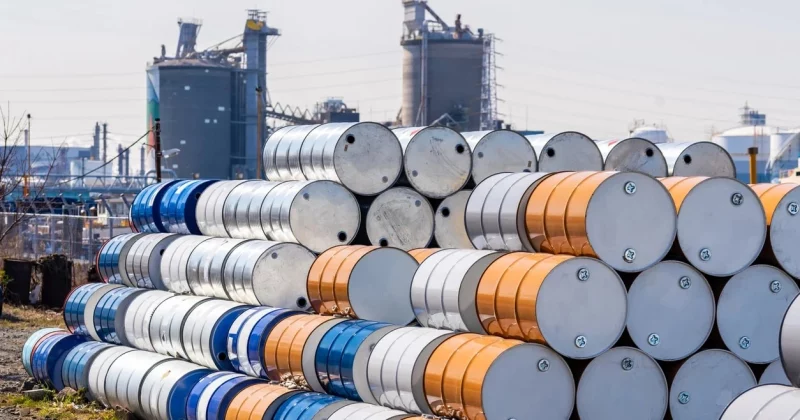
Seven key member countries, including Saudi Arabia, Russia, Iraq, Kuwait, Kazakhstan, Algeria, and Oman, met virtually on June 7 and decided to raise production quotas by 188,000 barrels per day starting in July 2026. It’s the fourth consecutive monthly increase as the group gradually unwinds voluntary supply cuts first imposed back in 2023. The problem: exports from the Persian Gulf remain constrained by ongoing tensions around the Strait of Hormuz, turning what should be a meaningful supply signal into something closer to a press release.
The gap between quotas and reality
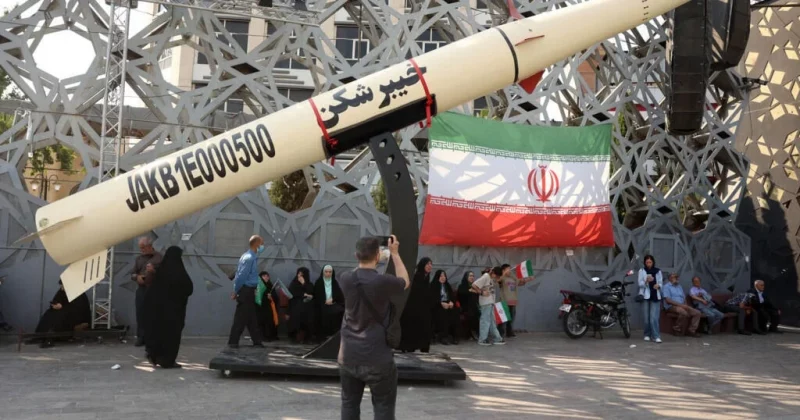
The Strait of Hormuz is the narrow waterway through which roughly a fifth of the world’s daily oil consumption typically flows. Regional tensions tied to the broader Iran conflict have created blockade conditions that limit what Gulf producers can actually export. So while Saudi Arabia and its partners signal a willingness to add supply, the market impact is muted by geography and geopolitics.
The group has also extended compliance deadlines for member countries that have been overproducing relative to their assigned quotas. Those extensions now run through the end of 2026, giving serial quota-busters like Kazakhstan more runway to align their output with agreed targets.
A changed OPEC+ landscape
This meeting carries additional significance because it’s one of the first held since the UAE departed the OPEC+ alliance. The UAE’s exit removed one of the group’s largest and most technically capable producers from the coordination framework, raising questions about OPEC+’s ability to manage global supply as effectively as it has in recent years.
OPEC+ began imposing deep voluntary cuts in 2023 to prop up oil prices amid concerns about weakening demand and rising non-OPEC production, particularly from the US. The group has been slowly reversing those cuts since early 2026, adding modest increments each month rather than flooding the market all at once.
OPEC+ has been careful to emphasize flexibility. The group stated its willingness to adjust production levels as conditions evolve, a diplomatic way of saying they’ll cut again if prices crater.
What this means for crypto and macro investors
When oil supply is constrained and prices stay elevated, it feeds into transportation and manufacturing costs that keep inflation sticky. Sticky inflation makes central banks less likely to cut rates. And tighter monetary policy tends to suppress risk assets, including Bitcoin and the rest of the crypto complex.
OPEC+ is nominally adding supply, which should be disinflationary. But the Hormuz blockade means those barrels aren’t reaching the market, which keeps effective supply tight and prices supported. For macro-aware crypto investors, the variables to watch are: any resolution to the Hormuz situation that unlocks actual export flows, the trajectory of Brent crude relative to $80-$90 ranges where inflation pressure intensifies, and whether OPEC+’s monthly increases accelerate or stall.
Disclosure: This article was edited by Editorial Team. For more information on how we create and review content, see our Editorial Policy.



 English (US) ·