
 1 hour ago
14
1 hour ago
14
OpenAI has overhauled how it names its AI models, swapping out a messy system of suffixes and sub-variants for something that actually makes sense at a glance. The new convention debuted on June 26, 2026, with the preview of GPT-5.6 Sol, and it signals a deliberate attempt to make model selection feel less like reading a pharmaceutical ingredient list.
The core idea is straightforward: generation number first, capability tier second. GPT-5.6 Sol tells you the model generation (5.6) and its performance profile (Sol) in one clean sequence.
What the new tiers actually mean
The tier names, Sol, Terra, and Luna, are not arbitrary branding. Each label corresponds to a distinct profile of intelligence, processing speed, and cost that can evolve independently from the underlying generation number. In English: you could have a future GPT-5.8 Sol that is smarter than today’s GPT-5.6 Sol, while the Sol tier itself still represents the high-capability end of the spectrum regardless of what the generation number says.
Terra and Luna presumably occupy the middle and lower ends of the performance and cost spectrum, respectively, though the specifics of each tier’s benchmarks were not disclosed in the announcement.
Why the old system became a problem
The previous naming structure had accumulated enough variants to qualify as a minor headache. Models like GPT-4o, GPT-4.1, GPT-4.1 mini, GPT-4.1 nano, and various GPT-5.x iterations each carried slightly different capabilities, and the logic connecting a name to a performance level was rarely obvious.
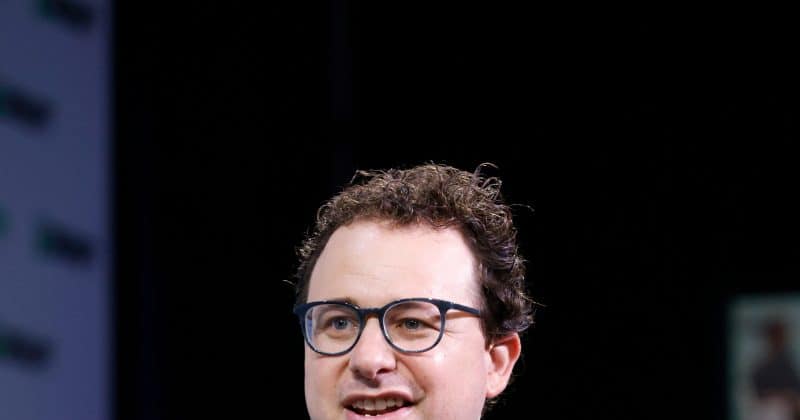
CEO Sam Altman acknowledged this directly. He indicated that the suffix-based approach had created genuine confusion and that simplifying the model lineup was a priority as the company moved further into the GPT-5 generation.
What this means for developers and the broader AI market
The practical implication for anyone building on OpenAI’s platform is that model selection should become a faster, lower-friction decision. If the tier names hold consistent meaning across generations, a developer who knows they need a Sol-tier model can make that call without reading through a changelog first.
There are no tokens, no blockchain integrations, and no crypto-adjacent elements in this update. OpenAI’s model architecture decisions remain firmly in the enterprise software lane.
Disclosure: This article was edited by Editorial Team. For more information on how we create and review content, see our Editorial Policy.





 English (US) ·