
 1 hour ago
14
1 hour ago
14
Pakistan’s virtual assets regulator is trying to thread one of the more delicate needles in global crypto policy: how to build a digital asset framework in a country where Islamic law carries enormous weight and a prominent scholar just declared crypto payments off-limits.
Bilal Bin Saqib, chairman of the Virtual Assets Regulatory Authority (PVARA), met with renowned Islamic scholar Mufti Muhammad Taqi Usmani around July 11 to discuss the treatment of digital assets under Shariah law. The meeting followed a fatwa issued on June 10 that declared purchases of goods using digital assets, including stablecoins like USDT, impermissible under Islamic principles.
The core issue: the fatwa classified digital assets as failing to qualify as legitimate wealth, or “maal,” under Shariah. That distinction matters enormously in a Muslim-majority country of over 230 million people.
What the fatwa actually means
The June 10 fatwa specifically targeted the use of digital assets for purchasing goods and services. It singled out stablecoins like USDT, arguing they don’t meet the threshold of recognized wealth under Islamic jurisprudence.
Saqib’s response was diplomatic but clear. He emphasized the need for continuous dialogue between regulatory bodies, Islamic scholars, and industry professionals. The goal is ensuring that blockchain technologies and digital assets receive proper assessment for Shariah compliance rather than blanket dismissal.
Pakistan ranks third globally in the 2025 Chainalysis Global Crypto Adoption Index, with an estimated 40 million users engaged in digital assets as of mid-2026. That’s roughly one in six Pakistanis.
Pakistan’s regulatory evolution
The Virtual Assets Act 2026, passed in March, established PVARA as a permanent federal authority with the power to license virtual asset service providers (VASPs). Notably, the law also mandated the creation of a Shariah Advisory Committee, suggesting legislators anticipated exactly this kind of tension between digital finance innovation and Islamic legal principles.
In April, the State Bank of Pakistan permitted licensed VASPs to open bank accounts. For years, Pakistani crypto users operated in a gray zone where exchanges couldn’t access the banking system. Allowing bank account access moves crypto businesses from the shadows into the formal economy.
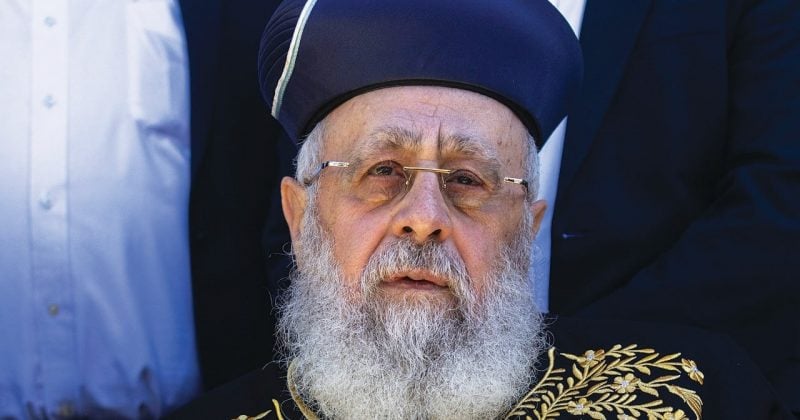
Mufti Taqi Usmani isn’t a fringe voice. He’s one of the most influential Islamic finance scholars in the world, having helped shape Shariah-compliant banking standards used across multiple countries.
What this means for the market
No immediate price impacts on specific tokens were observed following the meeting or the fatwa itself.
Stablecoins face the most direct scrutiny here. USDT was specifically named in the fatwa, which raises questions about whether other stablecoins or tokenized assets could be structured differently to satisfy Islamic requirements.
For investors already active in Pakistan’s market, the practical advice is to watch the Shariah Advisory Committee closely. Its rulings will likely carry more market-moving weight than typical regulatory guidance.
Saqib’s push for ongoing dialogue suggests he understands that a confrontational approach won’t work. The middle path, developing Shariah-compliant frameworks that satisfy both regulators and scholars, is the only viable option.
Disclosure: This article was edited by Editorial Team. For more information on how we create and review content, see our Editorial Policy.




 English (US) ·