
 1 hour ago
15
1 hour ago
15
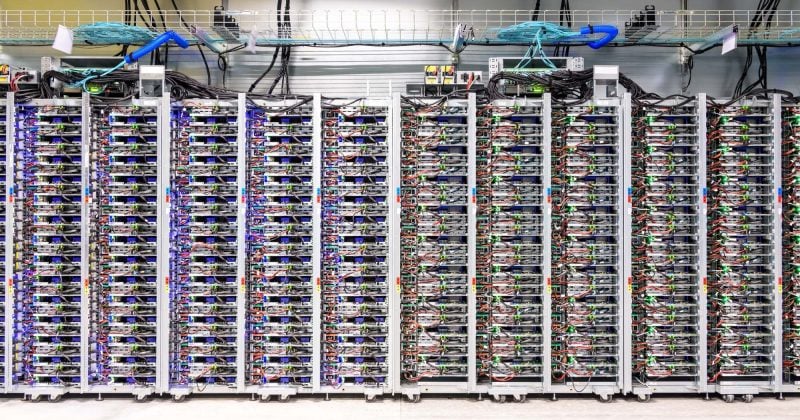
The biggest power grid in the United States just admitted it doesn’t have enough electricity to go around. PJM Interconnection, which manages the electric grid serving roughly 67 million people across 13 states and Washington, D.C., is racing to overhaul its infrastructure as AI-hungry data centers devour power at a pace nobody planned for.
The grid’s first-ever capacity shortfall
PJM’s capacity auction, the mechanism that ensures there’s enough power generation lined up to meet future demand, failed to secure sufficient supply for the June 2027 through May 2028 delivery period. That’s the first time in the grid operator’s history that this has happened.
PJM projects that data centers alone will add over 30 gigawatts of additional peak electricity demand by 2030. To put that in perspective, 30 GW is roughly the output of 30 nuclear power plants running at full capacity.
Prices jumped from $28.92 per megawatt-day in the 2024/25 period to $329.17 per megawatt-day for 2026/27. That’s more than a tenfold increase, driven largely by the insatiable appetite of data center operators clustering in regions like Northern Virginia.
Emergency measures and billions in new infrastructure
The US Department of Energy stepped in with an emergency order in May 2026. That order gave PJM the authority to curtail power to data centers that have backup generation capabilities during grid emergencies.
PJM has a multi-pronged strategy in the works. First, there’s a reliability backstop procurement auction planned for Autumn 2026. Second, PJM approved a $6.7 billion transmission investment plan back in February 2025, specifically targeting congestion in Northern Virginia where data center density has overwhelmed existing grid infrastructure.
Why crypto and digital asset operators should care
There’s also the demand-response angle. Some Bitcoin mining operations have built their business model around acting as flexible load, powering down during peak demand periods in exchange for favorable electricity rates. PJM’s emergency curtailment authority over data centers with backup generation could create a template that eventually extends to large-scale mining facilities as well.
Estimates suggest that the capacity price increases could impose an additional financial burden exceeding $100 billion on consumers through 2033.
Disclosure: This article was edited by Editorial Team. For more information on how we create and review content, see our Editorial Policy.







 English (US) ·