
 1 month ago
51
1 month ago
51
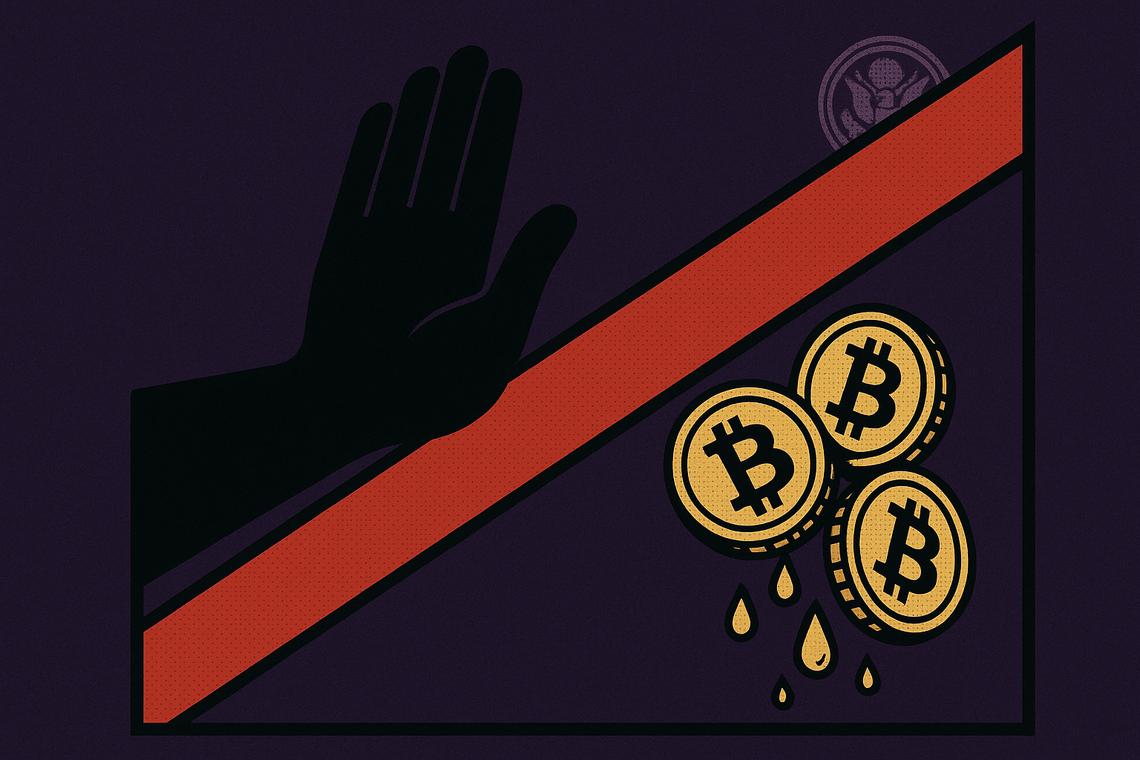
The recent bankruptcy filing of one of the cryptocurrency industry’s oldest mining operators highlights the long-term damage caused by historic regulatory crackdowns. Under pressure following the infamous poolin btc ban linked to China’s 2021 crypto crackdown, the firm has officially entered court-supervised restructuring.
The Legacy of the poolin btc ban and China’s 2021 Crackdown
The downfall of Singapore-based Poolin Technology Pte. Ltd. has culminated in a July 22, 2026 protection petition. Filing for Chapter 11 in the U.S. Bankruptcy Court for the District of New Jersey, the firm brought its US affiliates Lonestar Dream Inc. and Lonestar Taproot LLC into the proceedings. This restructuring marks the ultimate conclusion of operational difficulties that multiplied after Beijing ended crypto mining within Chinese borders in 2021.
At its peak around 2019, the pool controlled a massive 18–20% of the global hashrate. The disruption of the poolin btc ban forced a chaotic physical migration away from Chinese jurisdiction. The pool subsequently watched its hashrate collapse to near zero as it struggled to maintain its place in the global mining ecosystem.
Operational Pivot to the US and Liquidity Pressures
Attempting to recover, the mining operator pivoted west to establish infrastructure in West Texas. This hasty territorial transition created immense capitulation bottlenecks and capital strain. By September 2022, co-founder Kevin Pan publicly acknowledged massive liquidity problems in a WeChat post, signaling the start of a deep financial crisis.
Consequently, the platform froze its wallet services to prevent a complete capital drain. To manage user dissatisfaction, the company issued IOUs to approximately 11,700 customers. These custom debt certificates totaled an estimated $163.7 million, representing the bulk of the platform’s unpaid liabilities.
Chapter 11 Bankruptcy Details and the “Stalking Horse” Plan
The formal bankruptcy filings expose the deeper financial wreckage of the multi-year struggle. Under the bankruptcy petition, the debtor lists estimated total liabilities of about $173 million against a modest asset pool of just $1 million to $10 million. This leaves a massive deficit for outstanding creditors and individual wallet holders who still hold the worthless digital IOUs.
To address the debts, the liquidating entities are pinning their hopes on selling off their US assets. A stalking-horse bid of $52 million by Thor CALAP LLC represents the initial floor for their West Texas mining property and equipment. Debtors and the court will utilize these proceeds to determine the recovery outcomes for the thousands of frozen account holders.






 English (US) ·