
 33 minutes ago
11
33 minutes ago
11
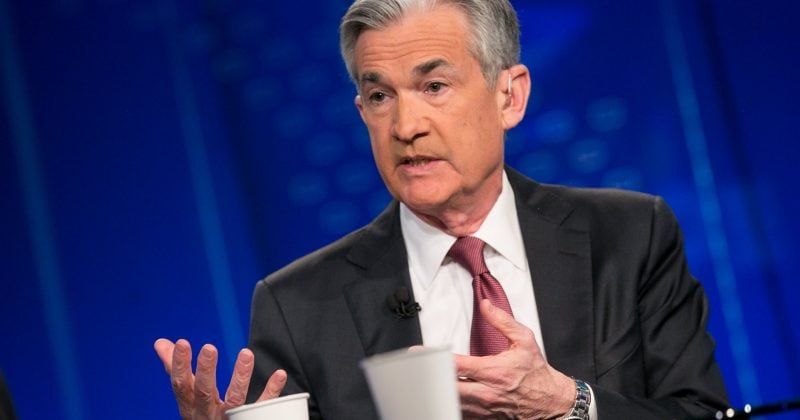
Jerome Powell is no longer running the Federal Reserve. But he’s clearly not done defending it.
The former chair, who handed the top job to Kevin Warsh after his second term ended on May 15, 2026, used his latest public remarks to deliver a pointed warning: if a president can dismiss Fed officials simply for disagreeing on policy, the institution’s credibility collapses.
The legal line Powell is drawing
The Federal Reserve Act does allow the removal of governors “for cause.” Powell’s argument, backed by legal experts, is that policy disagreements don’t meet that threshold. A president can’t fire a Fed governor just because they don’t like the interest rate decision. The bar is supposed to be much higher, think misconduct or incapacity, not “I wanted a rate cut and you didn’t give me one.”
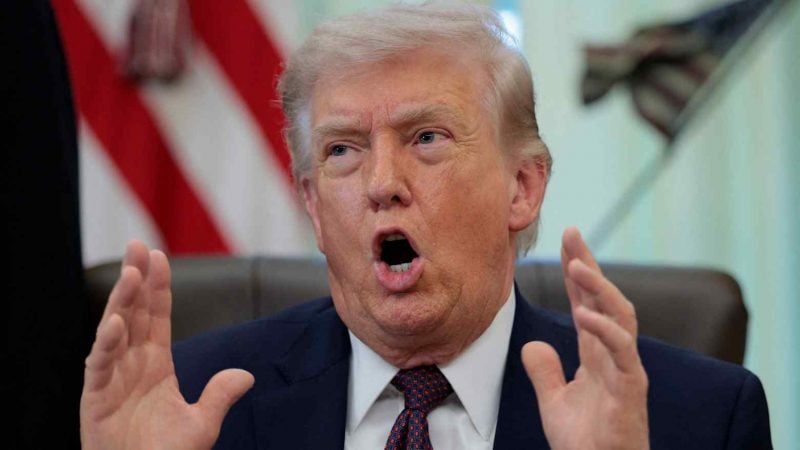
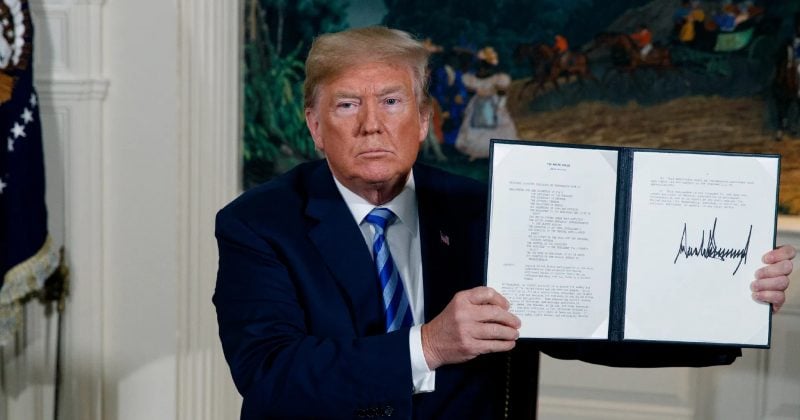
President Trump has publicly criticized Fed leadership and floated the idea of reshaping it to be more responsive to the White House. Powell has made his intentions clear: he plans to remain on the Board until at least January 2028, explicitly to defend the Fed’s independence from political encroachment.
The Warsh transition and what it means
Kevin Warsh was confirmed as the new Fed chair by the Senate on May 13, 2026, just two days before Powell’s term expired.
Powell remaining through January 2028 suggests he sees the threat to Fed independence as durable, not something that resolves itself once a new chair is seated.
The case of Lisa Cook, another Fed governor, saw political attempts to challenge her position escalate all the way to the Supreme Court. That episode underscored just how willing certain political factions are to test the boundaries of executive power over the central bank.
Why crypto investors should care about central bank independence
Crypto markets don’t exist in a vacuum. They react to interest rate decisions, inflation expectations, and liquidity conditions, all of which are shaped by Fed policy. A Fed that makes decisions based on economic data is at least predictable. A Fed that makes decisions based on political pressure is chaos.
If the precedent gets set that a sitting president can effectively control monetary policy through the threat of dismissal, the entire framework that markets use to price risk changes. Interest rate forecasts become less about economic fundamentals and more about political calculus.
Disclosure: This article was edited by Editorial Team. For more information on how we create and review content, see our Editorial Policy.





 English (US) ·