
 1 hour ago
13
1 hour ago
13
The way AI gets funded is changing, and the shift is happening quietly in a corner of finance most people never think about: the private bond market.
Tech companies are increasingly selling debt directly to insurance firms and large asset managers through private placements, skipping the traditional public bond market entirely. Private deals offer customized terms, longer maturities, and potentially higher yields, a combination that works for both sides of the table.
The numbers behind the pivot
By late October 2025, AI-related public investment-grade corporate debt issuance had reached $95 billion. Private placements added another $83 billion on top of that. Combined, that’s $178 billion in debt financing tied to AI infrastructure in a single year.
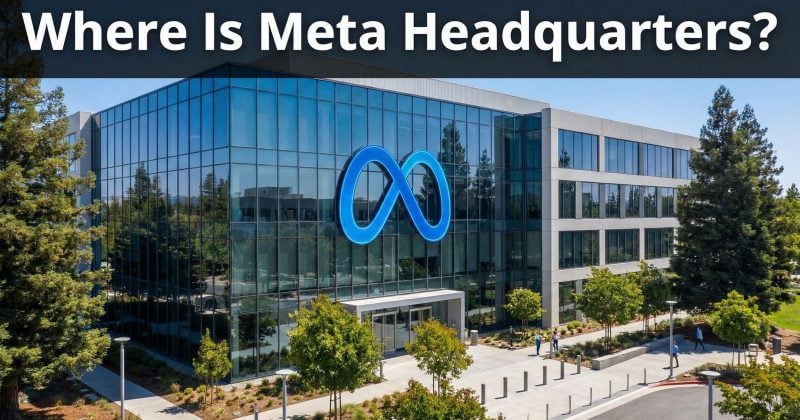
Meta alone raised roughly $29 billion through the private investment-grade market for data center investments.
Laura Parrott, Nuveen’s Head of Private Fixed Income, put the demand in perspective. Her firm manages approximately $75 billion in private fixed-income assets. She noted that portfolio could almost be filled entirely with data center financing opportunities if they chose to focus narrowly on that sector.
Why private over public
Private placements allow borrowers and lenders to negotiate bespoke terms. Maturities can be longer. Covenants can be tailored. Pricing can reflect the specific risk profile of a project rather than where the broader market happens to be trading that week.
For life insurers, this is particularly attractive. Their business model revolves around matching long-duration liabilities with long-duration assets. A 20-year data center financing deal fits neatly into a portfolio that needs to pay out claims decades from now.
Private placements typically offer a spread above comparable public bonds, compensating investors for the illiquidity of holding a deal that can’t be easily traded on secondary markets.
The infrastructure appetite is enormous
Forecasts suggest total debt requirements for AI-related infrastructure could reach into the trillions over the next few years.
Private credit funds are stepping into this vacuum aggressively. Firms like Blackstone and Apollo collectively hold nearly $1 trillion in private credit overall, and data center financing has become a major focus area. These funds are now leading the charge in originating data center debt, fundamentally reshaping who finances these projects and how the deals get structured.
One emerging wrinkle worth watching: tokenized bond strategies are starting to appear at the edges of this market. The NYLIM Anemoy strategy, available through Centrifuge, represents an early experiment in bringing blockchain-based infrastructure to high-yield corporate bond investing.
What this means for investors
The migration of AI financing into private markets creates a two-speed dynamic. Institutional investors with access to private placements, think pension funds, insurers, and large endowments, get first pick of a growing pool of higher-yielding, long-duration assets. Retail investors and smaller allocators are largely locked out.
For crypto-native investors, the tokenization angle is the most direct connection point. If private credit markets continue adopting blockchain rails for issuance and settlement, it could open access to asset classes that have historically been reserved for the largest institutions. The NYLIM Anemoy strategy via Centrifuge represents one of the first live experiments in this direction.
Disclosure: This article was edited by Editorial Team. For more information on how we create and review content, see our Editorial Policy.







 English (US) ·