
 3 months ago
86
3 months ago
86
- Pudgy Penguins expanded its partnership with Manchester City
- The collaboration blends digital collectibles with real-world fan experiences
- Major sports brands are increasingly using blockchain quietly behind the scenes
Pudgy Penguins is continuing its push into mainstream culture after expanding its partnership with Manchester City, one of the largest football clubs in the world. The collaboration will combine digital collectibles, onchain experiences, and physical fan activations designed around Manchester City supporters globally.
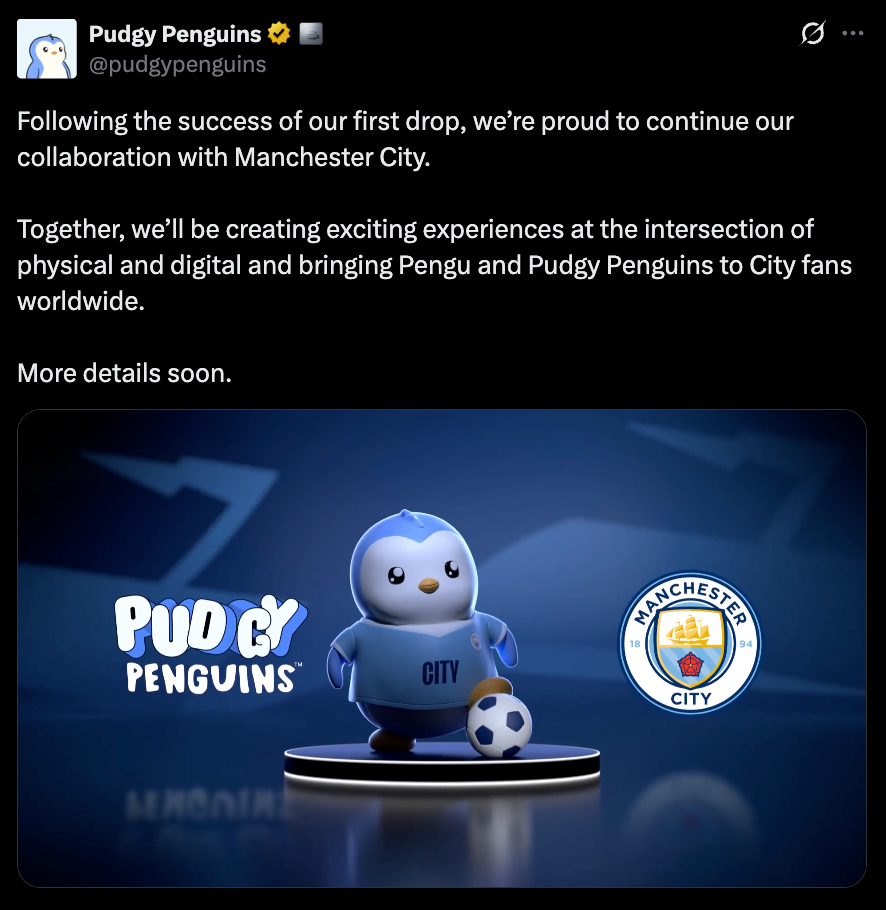
What makes this partnership interesting is that it barely feels like a traditional crypto marketing campaign at all. Nobody is aggressively screaming about NFTs, metaverses, or “the future of Web3” anymore. Instead, the focus appears centered on characters, entertainment, community engagement, and recognizable branding.
Honestly, that subtle shift may be exactly why projects like Pudgy Penguins keep gaining traction while so many earlier NFT experiments faded out.
Pudgy Penguins Keeps Expanding Beyond Crypto
Over the past two years, Pudgy Penguins quietly transformed itself from a standard NFT collection into something much closer to a consumer entertainment brand. The project expanded into physical toys, retail shelves, licensing agreements, and mainstream partnerships rather than relying entirely on speculative NFT trading activity.
The Manchester City partnership fits directly into that broader strategy. According to the announcement, future collaborations will feature Pudgy Penguins characters alongside Manchester City’s own Pengu mascot through digital experiences and live fan events.
On paper, that might sound like a relatively small branding move. Underneath the surface, though, it reflects a much bigger trend happening across the NFT industry. Intellectual property tied to NFT collections is slowly evolving into commercial entertainment IP capable of extending far beyond crypto-native audiences.
And honestly, cute penguins were probably always going to age better than endless waves of “ultra-rare alpha ape” collections eventually.
The Blockchain Layer Is Becoming Invisible
One of the most fascinating parts of this evolution is how little emphasis now gets placed on the underlying blockchain itself. Most mainstream users interacting with collectibles, merchandise, or digital experiences connected to projects like Pudgy Penguins often do not particularly care what chain powers the system underneath.
They care whether the product feels entertaining, social, recognizable, and culturally relevant. That’s becoming the real shift. Blockchain increasingly functions more like backend infrastructure instead of the main attraction.
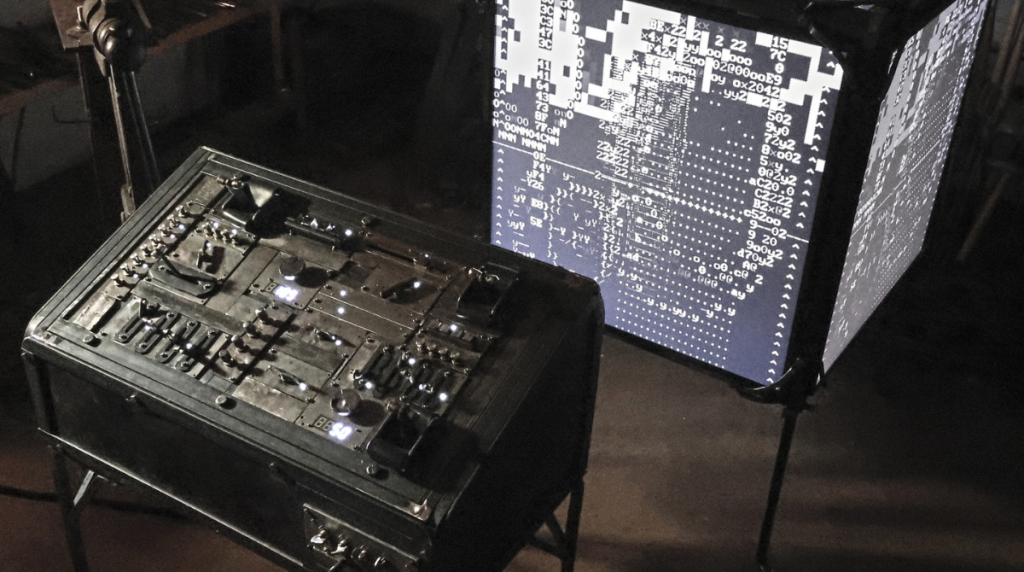
Ironically, mass adoption of Web3 technology may arrive precisely when companies stop constantly marketing the technology directly to consumers. The user experience matters more than the terminology now.
Sports partnerships in particular may end up becoming one of the cleanest pathways toward that type of adoption because global fan communities already understand collectibles, loyalty culture, digital engagement, and branded identity naturally.
Major Sports Brands Are Getting More Comfortable With Web3
Manchester City is far from the only major sports organization experimenting with blockchain-connected fan experiences, but the tone surrounding these partnerships has clearly changed compared to the peak NFT mania of 2021 and 2022.
Back then, many projects focused heavily on speculation and hype-driven launches. Now, the stronger partnerships seem more interested in building long-term fan ecosystems where digital ownership quietly supports broader engagement strategies behind the scenes.
That distinction matters because sports audiences generally do not want complicated crypto onboarding experiences. They want memorable experiences connected to teams and brands they already care about. If blockchain happens to improve ownership, interoperability, or digital engagement underneath the hood, great. But it no longer needs to dominate the branding itself.
NFTs May Finally Be Growing Up
The bigger takeaway here is that NFT culture itself appears to be maturing. Instead of chasing endless speculative flipping cycles, some projects are finally trying to build recognizable intellectual property capable of surviving outside crypto-native communities.
Pudgy Penguins increasingly looks like one of the clearest examples of that strategy working. By focusing on approachable branding, licensing, physical products, and mainstream partnerships, the project managed to stay culturally relevant long after many earlier NFT collections disappeared from the conversation entirely.
And if blockchain-based consumer adoption eventually becomes mainstream, there’s a decent chance it arrives through entertainment, sports, and brand ecosystems exactly like this rather than through complicated financial products alone.
Disclaimer: BlockNews provides independent reporting on crypto, blockchain, and digital finance. All content is for informational purposes only and does not constitute financial advice. Readers should do their own research before making investment decisions. Some articles may use AI tools to assist in drafting, but every piece is reviewed and edited by our editorial team of experienced crypto writers and analysts before publication.




 English (US) ·