
 1 hour ago
12
1 hour ago
12
Vladimir Putin has shut the door on peace talks with Ukraine, telling audiences at the St. Petersburg International Economic Forum on June 5 that there is “no point” in meeting with Ukrainian President Volodymyr Zelenskyy. Ukrainian forces have escalated long-range strikes deep into Russian territory, reportedly triggering fuel shortages.
What Putin actually wants
Putin’s rejection isn’t new, but the framing has sharpened. At the St. Petersburg forum, he insisted that any future discussions must be rooted in the 2022 Istanbul agreements and the 2025 Anchorage modalities, two frameworks that broadly favor Russian positions. In English: he wants Ukraine to accept territorial concessions, commit to never joining NATO, and agree to terms negotiated when Russia held more leverage on the ground.
He reiterated these demands during a June 23 government meeting, explicitly dismissing the idea of unconditional ceasefires. Since March 2025, Zelenskyy has proposed multiple unconditional ceasefire arrangements. Moscow has rejected every single one.
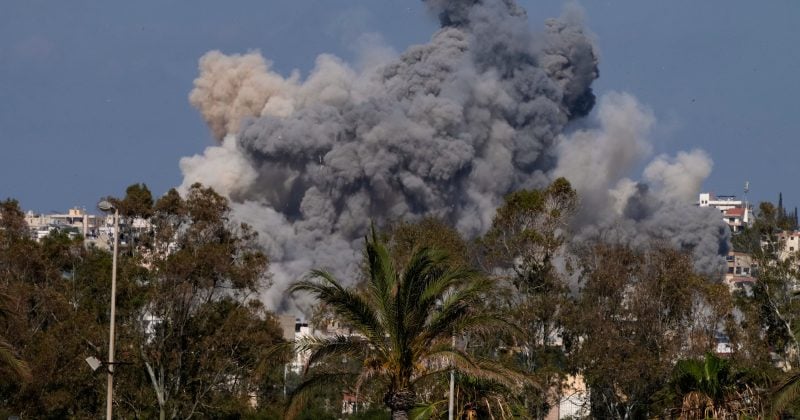
Meanwhile, Ukraine has been busy making its own statement. Long-range strikes have hit targets inside Russia, with reported impacts on fuel supply infrastructure. Putin has framed these attacks as evidence that Kyiv is trying to build negotiating leverage through force.
The macro backdrop for risk assets
The crypto market has been largely unresponsive to the latest escalation. Bitcoin and Ethereum have shown no meaningful price movement directly attributable to the Russia-Ukraine standoff in recent weeks. Previous temporary ceasefire announcements did produce small upward moves in major token prices, driven more by a general reduction in geopolitical anxiety than by any direct connection between crypto and the conflict itself. No cryptocurrency tokens or projects have been referenced in connection with the June 2026 developments.
In 2022, when Russia first invaded Ukraine, Bitcoin saw significant volatility as traders processed the shock. Donations flowed to Ukraine through crypto wallets, and the conflict became a proving ground for digital assets as tools of financial resilience.
What this means for investors
Sanctions enforcement, energy trade realignment, and the weaponization of financial infrastructure all remain live issues that touch the crypto ecosystem. Russia’s use of alternative payment channels and the broader push by BRICS nations to reduce dollar dependence are long-term structural stories that connect directly to the value proposition of decentralized finance.
Disclosure: This article was edited by Editorial Team. For more information on how we create and review content, see our Editorial Policy.



 English (US) ·