
 1 hour ago
16
1 hour ago
16
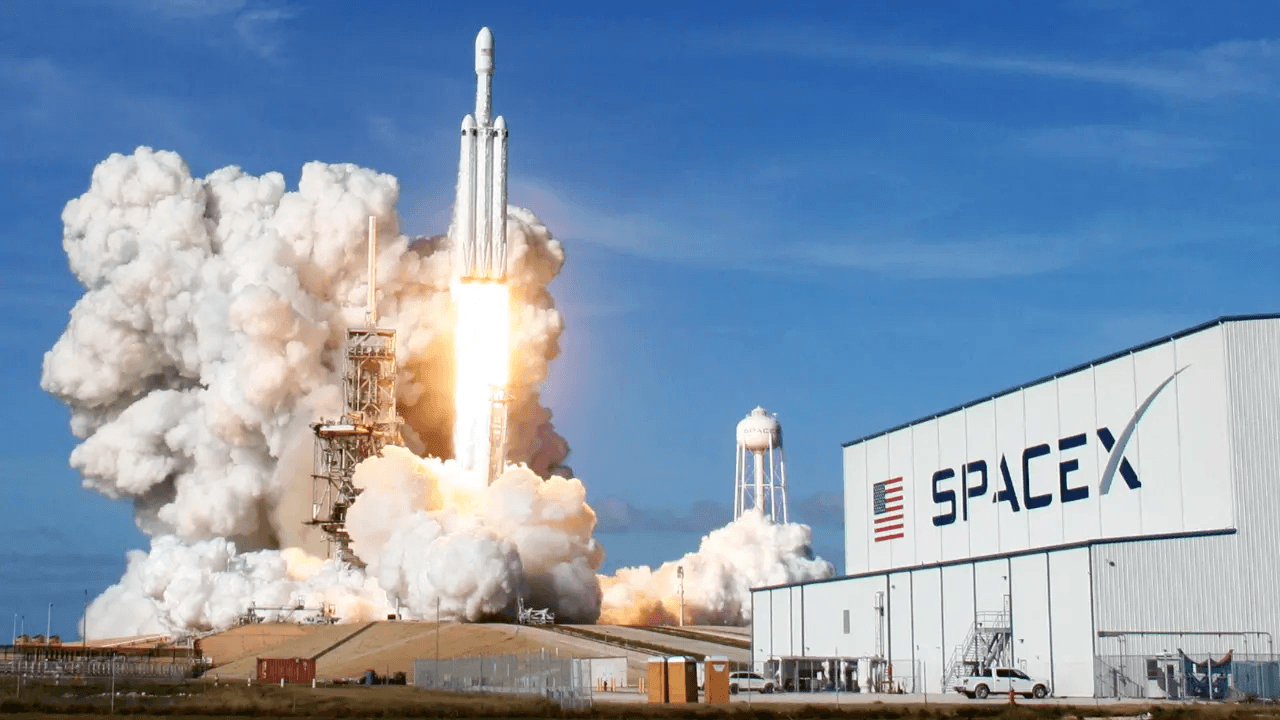
Individual investors are selling positions in AI and semiconductor stocks to free up capital for SpaceX shares, a rotation that signals just how much gravitational pull Elon Musk’s rocket company exerts on the retail crowd.
The numbers behind the hype
SpaceX’s IPO is scheduled to price and begin trading around June 12, 2026, with shares set at $135 each. The company is targeting a valuation between $1.75 trillion and $2 trillion, a figure that would place it among the most valuable companies on Earth before it even trades publicly.
The offering aims to raise approximately $75 billion. To put that in perspective, Saudi Aramco’s 2019 IPO raised around $25.6 billion, which held the record for years. SpaceX would blow past that by a factor of three.
SpaceX plans to allocate up to 30% of the offering to retail investors. That’s roughly $22.5 billion worth of shares earmarked for individual buyers. The typical retail allocation in large IPOs sits between 5% and 10%, meaning SpaceX is tripling the norm at minimum.
Platforms including Fidelity, Robinhood, Charles Schwab, and SoFi are facilitating access. Fidelity has lowered its minimum investment to $2,000 specifically to bring more individual investors into the deal.
Reports indicate the offering is oversubscribed by as much as four times, meaning investors want to buy roughly $300 billion worth of stock that doesn’t exist yet. That kind of demand is what’s driving the sell-off in other sectors, as retail traders liquidate existing holdings to build their SpaceX war chests.
The Bitcoin wrinkle
SpaceX reportedly holds between $600 million and $1.29 billion in Bitcoin on its balance sheet, making it one of the larger corporate Bitcoin holders, sitting below MicroStrategy and Tesla but well above most public companies.
The IPO also arrives during a broader wave of tech companies eyeing public markets. OpenAI and Anthropic are both reportedly engaged in IPO-related activities, creating a competitive environment for retail capital.
Disclosure: This article was edited by Editorial Team. For more information on how we create and review content, see our Editorial Policy.







 English (US) ·