
 5 months ago
102
5 months ago
102
Tariffs continue to play a significant role in US economic policy, contributing to market volatility. Despite high tariffs, the US economy has demonstrated resilience and adaptability. A three-tier tariff structure is expected to stabilize, reducing volatility in the market.
Key takeaways
- Tariffs continue to play a significant role in US economic policy, contributing to market volatility.
- Despite high tariffs, the US economy has demonstrated resilience and adaptability.
- A three-tier tariff structure is expected to stabilize, reducing volatility in the market.
- The US administration is shifting towards industrial policy, moving away from reliance solely on tariffs.
- Industrial policy and government intervention are anticipated to be major economic themes by 2026.
- The affordability debate, driven by rising costs, will be central to the upcoming midterm elections.
- Gas prices are a critical factor in public perception of economic affordability.
- There is a high probability that the House of Representatives will shift to Democratic control in the midterms.
- Kevin Hassett may face challenges in aligning the Federal Reserve’s policies with the administration’s goals.
- The Federal Reserve chair requires majority support from voting members to implement policies.
- The political landscape is shifting, with industrial policy gaining prominence over traditional tariff strategies.
- Voter frustration with rising living costs is expected to influence election outcomes.
Guest intro
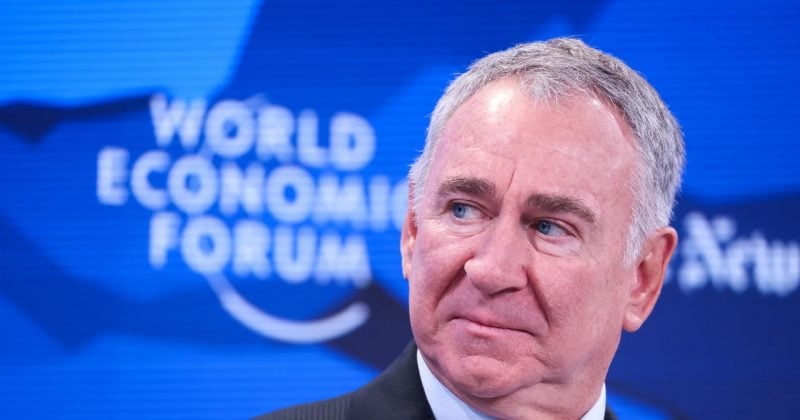
Robert Kahn is Director of Global Strategy at Eurasia Group. He previously served as head of the Office of Industrial Nations at the US Treasury and as a senior strategist at Moore Capital Management. His expertise spans macroeconomic policy, sanctions, and global crisis resolution.
The ongoing impact of tariffs on the US economy
-
Tariffs remain a significant source of volatility in the US economy.
— Robert Kahn
- The current administration views tariffs as central to reshaping global trade.
-
Tariffs will never be done with this administration… they will return.
— Robert Kahn
- The US economy has shown resilience despite high tariff rates.
-
The US economy has been very resilient to these tariff rates.
— Robert Kahn
- Understanding trade policies is crucial for grasping their impact on global dynamics.
- Tariffs are expected to continue influencing the economy but with reduced volatility.
-
I do think that those rates are starting to settle.
— Robert Kahn
The shift towards industrial policy
- The US administration is increasingly relying on industrial policy over tariffs.
-
What I think we are starting to see… is an administration… pivoting towards a greater reliance on… industrial policy.
— Robert Kahn
- This shift could significantly affect market dynamics and investor behavior.
- Industrial policy is anticipated to be a major theme in 2026.
-
I think that’s gonna be a big story in 2026… greater market intervention by this government.
— Robert Kahn
- Understanding industrial policy’s role is key to assessing economic strategy.
- The pivot towards industrial policy marks a strategic shift in economic management.
- This approach may lead to increased government intervention in markets.
The political landscape and midterm elections
- The affordability debate will be central to the upcoming midterm elections.
-
Voters are very frustrated with the rising cost of living.
— Robert Kahn
- Rising costs are a primary concern for voters, influencing political debates.
- There is an 80% probability of the House shifting to Democratic control.
-
I would put a very high probability… that the House… will move to the Democratic side.
— Robert Kahn
- Midterm elections are expected to reflect voter sentiment on economic issues.
- Understanding electoral trends is crucial for predicting election outcomes.
- The political landscape is shaped by economic and affordability concerns.
The role of gas prices in public perception
- Gas pump prices significantly influence public perception of affordability.
-
Gas pump prices are perhaps the most important single variable for how people feel about affordability.
— Robert Kahn
- Historical analysis underscores the impact of gas prices on consumer sentiment.
- Gas prices are a key factor in economic and political discussions.
- Understanding the relationship between gas prices and consumer sentiment is vital.
- Public opinion on economic conditions is heavily influenced by gas prices.
- Rising gas prices contribute to voter frustration with economic conditions.
- Gas prices are a critical variable in assessing public sentiment on affordability.
Challenges for Kevin Hassett at the Federal Reserve
- Kevin Hassett may struggle to command a majority in favor of Trump’s policies.
-
Kevin Hassett will struggle as chair to command a majority in favor of Trump’s policies.
— Robert Kahn
- The Federal Reserve’s Open Market Committee dynamics pose challenges.
- The chair needs majority support to implement policies, which is not guaranteed.
-
You need a majority of them and you can’t just as chair come in and say I want this and expect to get it.
— Robert Kahn
- Understanding the Federal Reserve’s decision-making process is crucial.
- The committee’s alignment with administration goals is uncertain.
- Hassett’s ability to align the committee with the administration’s goals is critical.






 English (US) ·