
 2 hours ago
23
2 hours ago
23
Russia’s Defense Ministry declared on April 1, 2026 that its forces have achieved complete control over Ukraine’s Luhansk region. It is the third time Moscow has made this specific claim since launching its full-scale invasion in February 2022.
The announcement arrived alongside reports of a logistics hub seizure in the Donetsk region and a fresh attack on Kyiv.
Ukrainian officials have not confirmed the Luhansk claim. Independent verification remains contested.
What Russia actually controls, and what it says it controls
Russia formally annexed Luhansk, Donetsk, Kherson, and Zaporizhzhia in September 2022, despite not fully controlling any of them at the time.
In the current phase of the conflict, Russian forces have reportedly gained approximately 31 square miles in late June and early July 2026, maintaining pressure on strategic locations including Kostyantynivka in Donetsk.
Where crypto fits into a four-year-old war
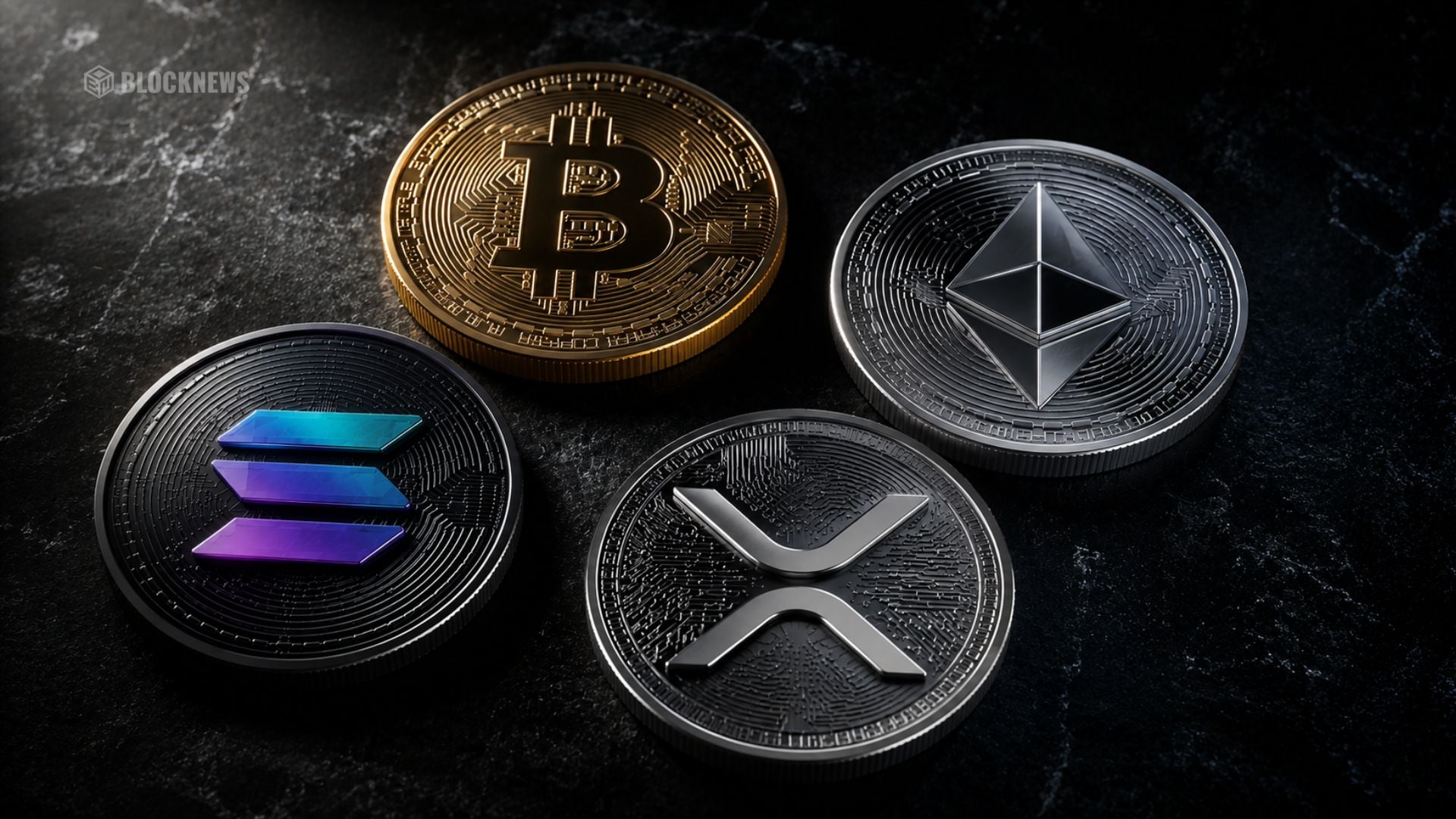
The European Union responded to the latest escalation with a new sanctions package specifically targeting Russian banks and crypto networks.
In 2022, sanctions packages focused heavily on SWIFT exclusions and asset freezes. By 2026, the EU is explicitly naming crypto infrastructure as a sanctions target.
Ukraine launched official donation campaigns early in the war, accepting Bitcoin, Ether, and other digital assets to fund military and humanitarian operations. On the Russian side, crypto networks have been flagged by regulators and blockchain analytics firms as channels for sanctions evasion.
What investors should watch from here
The EU sanctions framework is now explicitly incorporating crypto network language. Investors should track which exchanges and infrastructure providers respond with enhanced compliance measures, because that is where the operational impact of the sanctions will land first.
Russian territorial claims have a track record of running ahead of Russian territorial reality. The Luhansk announcement is the third version of the same claim in four years. What is newer is the EU’s explicit decision to put crypto infrastructure inside the sanctions perimeter, treating digital rails as seriously as banking rails in the effort to constrain Russian financial activity.
Disclosure: This article was edited by Editorial Team. For more information on how we create and review content, see our Editorial Policy.






 English (US) ·