
 1 hour ago
13
1 hour ago
13
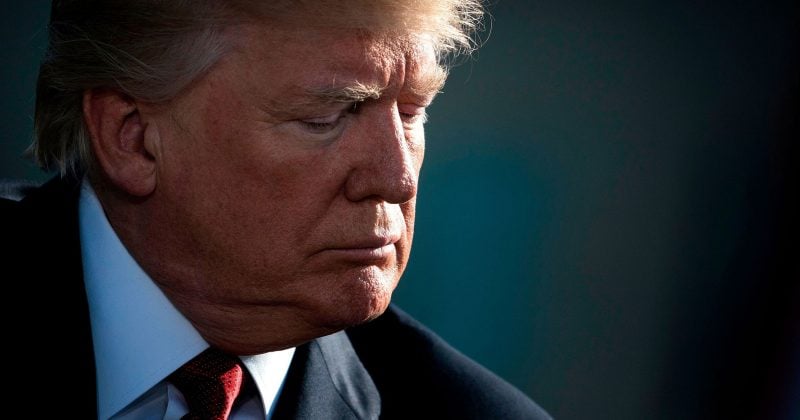
The US president has revealed that the Saudi crown prince expressed a preference for continued diplomatic discussions rather than proceeding with planned military strikes. This development comes amid escalating tensions in the 2026 U.S.–Iran regional conflict, where the United States, Iran, and Saudi Arabia are all key players. The preference for talks over strikes suggests a potential shift towards de-escalation, particularly significant given Saudi Arabia’s strategic role in the Gulf region. Recent market data indicates a notable increase in the probability of US-Iran peace talks occurring by the end of August, with odds rising as high as 44.5% for a diplomatic meeting by August 31, 2026.
Key Takeaways
- Markets suggest the Saudi crown prince’s preference for talks may support a de-escalation strategy, impacting the likelihood of US-Iran peace talks.
- The probability of a US-Iran diplomatic meeting by August 31 has increased from 32% to 44.5% within 24 hours, reflecting potential optimism for negotiations.
- Saudi Arabia’s position as a key Gulf actor influences market perceptions, with its stance being a critical factor in regional stability and diplomatic developments.
What to Watch
Observers will be closely monitoring any official statements from the White House or Saudi leadership that could further clarify their diplomatic stance. Additionally, any movements by Iran or responses from other key regional players, such as Israel, could significantly impact market odds. Developments in the coming weeks will be crucial, particularly as the August deadline for potential US-Iran talks approaches. The evolving geopolitical dynamics and any new diplomatic initiatives will likely continue to influence market expectations and pricing.
Get live prediction-market analysis, powered by Vera. Sign up for Vera.
Disclosure: This article was edited by Estefano Gomez. For more information on how we create and review content, see our Editorial Policy.




 English (US) ·