
 2 hours ago
11
2 hours ago
11
US Treasury Secretary Scott Bessent went on CNBC on Monday and casually mentioned that the United States and Iran might hammer out a deal over the Strait of Hormuz by Tuesday. Oil prices promptly fell off a cliff.
The prediction, made on August 4, suggested an agreement could materialize “today or tomorrow.” For a waterway that handles roughly a fifth of the world’s oil supply, that’s the kind of timeline that moves markets in a hurry.
What’s actually happening at the Strait of Hormuz
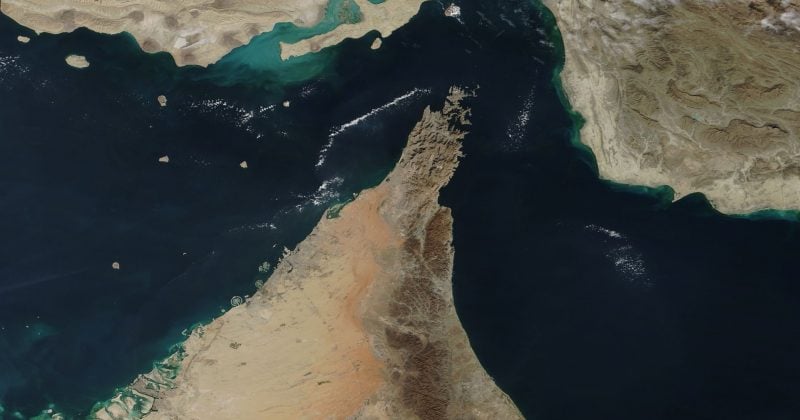
The Strait of Hormuz is the narrow chokepoint between Iran and Oman where tankers carry massive volumes of crude oil from Persian Gulf producers to the rest of the world.
Since July 2026, access through the strait has been severely disrupted amid escalating tensions between the US and Iran. Bloomberg has characterized the situation bluntly as “War With Iran” in its recent coverage.
Prior diplomatic efforts have involved China and Qatar, with signals of progress emerging from Doha. But nothing has stuck. Bessent’s remarks represent the most concrete timeline any senior US official has put on a potential resolution.
Oil drops, and everything else pays attention
The immediate market reaction was straightforward. Oil prices dropped notably following Bessent’s comments, as traders priced in the possibility that the strait could reopen to normal traffic.
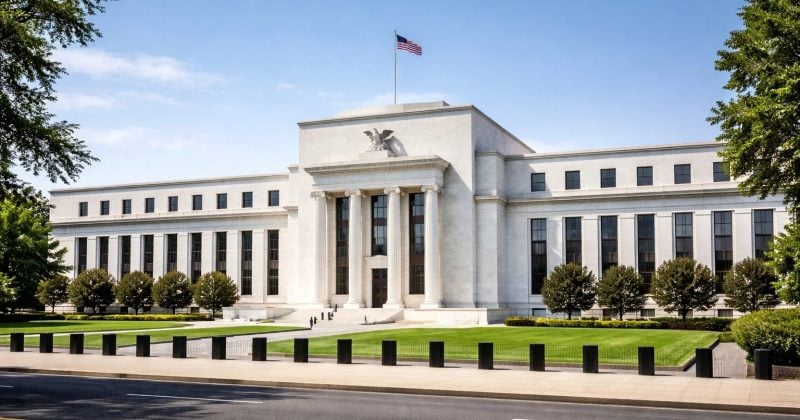
A deal that stabilizes the Strait of Hormuz would theoretically ease one of the biggest inflationary pressures currently hanging over the global economy. Lower energy costs mean less pressure on the Federal Reserve to maintain restrictive monetary policy, which in turn affects everything from Treasury yields to risk asset valuations.
The crypto connection, whether markets see it yet or not
The coverage has been squarely focused on energy prices and geopolitical risk, with no connections drawn to any cryptocurrencies or digital assets in reporting on these developments.
Traders should also keep an eye on stablecoins and on-chain activity in the Middle East and North Africa region. Periods of geopolitical instability have historically driven adoption of dollar-denominated stablecoins in affected regions, as individuals seek to preserve purchasing power outside of local banking systems. Whether this particular conflict has generated that dynamic isn’t yet clear from available data.
What investors should watch next
Bessent put a very specific timeline on these negotiations, which means markets will be watching for confirmation or disappointment with unusual precision.
Senate Republicans have been particularly vocal in advocating for tougher sanctions aimed at entities that could enable Iranian control or impose fees on shipping through the strait, indicating a broader geopolitical friction that complicates any potential agreement.
Disclosure: This article was edited by Editorial Team. For more information on how we create and review content, see our Editorial Policy.






 English (US) ·