
 6 hours ago
13
6 hours ago
13
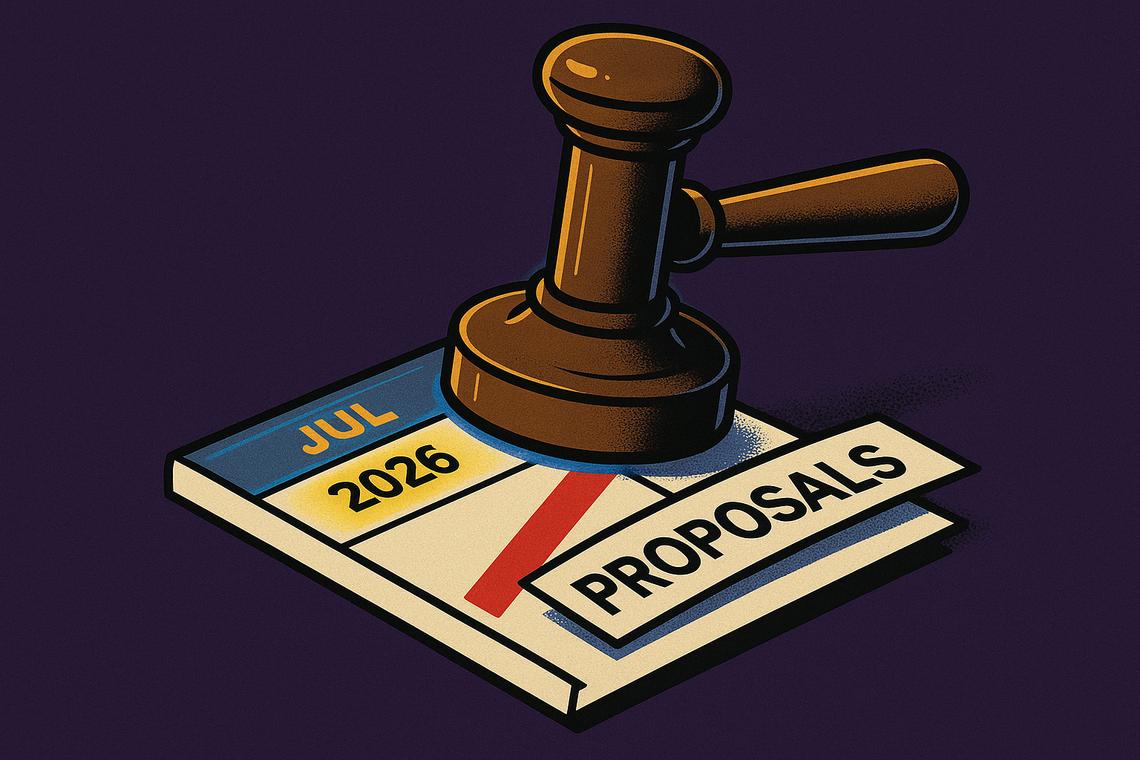
The SEC is quietly racing against Capitol Hill. With three crypto proposals penciled in for July 2026, the agency could begin formal rulemaking on digital asset offerings, broker-dealer custody, and trading venues before the Senate even schedules a vote on the landmark CLARITY Act. That timing gap — between an active regulator and a stalled legislature — may define what US SEC crypto regulation looks like for years to come.
Key takeaways
- The SEC has set July 2026 targets for three crypto rulemaking proposals covering token offerings, broker-dealer custody, and market structure for trading venues.
- SEC Chair Paul Atkins has framed the agenda as a push to bring more crypto products onshore with clearer rules for capital raising, custody, and on-chain trading.
- The legal authority for the agency’s Crypto Assets proposal is listed as “not yet determined” on RegInfo, introducing potential statutory vulnerability.
- The CLARITY Act, designed to split crypto oversight between the SEC and the CFTC, has not yet been scheduled for a Senate floor vote, with the August 7 recess looming.
- Publishing a proposal before Congress acts would shift the crypto regulatory debate from Capitol Hill into the SEC’s formal rulemaking channel.
SEC’s July 2026 Crypto Rulemaking Targets
Three distinct areas anchor the SEC’s July agenda, and together they map the full lifecycle of a regulated crypto market: how tokens get issued, how firms can hold them in custody, and where they can ultimately be traded. This isn’t one targeted fix — it’s a sequenced attempt to cover the issuance-to-trading pipeline that the industry has been demanding clarity on for years.
Crypto asset offerings regulation
The SEC’s Division of Corporation Finance is weighing new rules for how digital assets can be offered and sold to the public. According to RegInfo, the proposal could include exemptions and safe harbors intended to clarify the regulatory framework, provide greater market certainty, facilitate capital formation, and protect investors.
That would hand token issuers and projects seeking registration, exemption, or disclosure pathways a formal process — replacing what the industry has long criticized as regulation-by-enforcement with an actual rulebook.
There’s a significant caveat, though. RegInfo lists the legal authority for this Crypto Assets proposal as “not yet determined.” The SEC hasn’t identified the statutory footing in the agenda entry itself. That gap doesn’t prevent the agency from publishing a proposal, but it creates an obvious pressure point if the SEC tries to construct a broad offering framework without Congress first providing explicit authority.
Broker-dealer custody and compliance rules
A separate July entry targets broker-dealer compliance directly. The SEC is looking at possible amendments to financial responsibility, customer protection, recordkeeping, and reporting rules as they apply to crypto assets — specifically citing Rules 15c3-1 and 15c3-3, along with Rules 17a-3 and 17a-4.
These are the foundational compliance rails for regulated securities firms. Without clear treatment on capital, custody, customer protection, and books-and-records requirements, Wall Street firms may have genuine appetite for crypto products but no compliant pathway to support them at scale. Resolving this is arguably the most practically consequential of the three proposals for institutional adoption.
Market structure amendments for crypto trading venues
The third target addresses crypto market structure, with possible Exchange Act amendments governing how digital assets trade on alternative trading systems and national securities exchanges. This rounds out the pipeline: if issuance and custody rules take shape, trading venues need their own compliance framework to operate legally under the securities regime.
Strategic Timing Relative to the Senate’s CLARITY Act
The SEC’s July push lands at a moment when the broader legislative answer is stuck in political traffic. The CLARITY Act — designed to establish a federal crypto framework and clarify how oversight is divided between the SEC and the Commodity Futures Trading Commission — has not yet secured a Senate floor vote. With the August 7 recess approaching, the window is narrowing fast.
Potential Senate vote on CLARITY Act and its framework
The CLARITY Act represents the more comprehensive vehicle for US crypto market structure, explicitly defining the SEC–CFTC jurisdiction split. But comprehensive bills move slowly, and Senate scheduling has become a genuine bottleneck. Whether leadership finds floor time before August 7 is the immediate question the market is watching.
Implications of SEC proposals preceding Congressional action
If the SEC publishes even one of its July proposals before Congress acts, the regulatory center of gravity shifts. Industry groups — issuers, broker-dealers, trading venues — would suddenly have a concrete rulemaking docket to engage with, not just a legislative process to lobby. The debate migrates from Capitol Hill into the SEC’s formal comment process.
That changes the legislative calculus too. A live SEC proposal gives lawmakers a baseline they can either accept, narrow, or override when they eventually do vote. It also means that if CLARITY passes later, its implementation machinery might slot directly into rulemaking the SEC has already started.
SEC Chair Paul Atkins has been explicit about the direction. He described the agency’s 2026 agenda as designed to bring more crypto products onshore and create clearer rules for capital raising, on-chain custody, and the trading of tokenized securities — framing it as a matter of US financial leadership. “Ensure that the next chapter of financial leadership is written in the US,” Atkins said, “and that our capital markets continue to lead the world — in their depth, their dynamism, and their unrivaled ability to transform ingenuity into prosperity.”
Legal and Regulatory Considerations
The path from July agenda to final rule is long and uncertain. Every proposal needs full commission approval, a public comment period, and potential revisions before it can take effect. Legal challenges remain a real possibility, particularly for the Crypto Assets offering proposal where statutory authority hasn’t been nailed down.
There’s also the question of legislative collision. If Congress passes the CLARITY Act after the SEC has already published proposals, the agency may need to realign its rules with whatever jurisdictional framework lawmakers establish. Overlap or conflict between SEC rulemaking and Congressional action could create compliance confusion rather than clarity — the exact opposite of what both processes are meant to deliver.
None of that neutralizes the importance of the July targets. But it reframes what they actually represent: a starting gun, not a finish line. The proposals matter because of when they could begin, not because of what they can settle on their own.
What Comes Next
The immediate signal is twofold. First: whether Senate leaders carve out floor time for the CLARITY Act before the August 7 recess. Second: which SEC proposal, if any, lands in the Federal Register first.
If Congress moves first, the SEC’s rulemaking machinery could be channeled into implementing a broader legislative framework. If the Senate stalls again, the agency may find itself writing crypto’s securities-side rules in a relative vacuum — shaping market practice through rulemaking while lawmakers debate whether to hand the SEC broader or narrower authority in the first place. Either outcome will define which institution actually sets the terms of the US crypto market.
FAQ
What crypto rules is the SEC planning to propose in July 2026?
The SEC has set July 2026 targets for three proposals: rules governing how digital assets are offered and sold, amendments to broker-dealer compliance requirements covering financial responsibility, custody, and recordkeeping, and market structure changes for crypto trading venues including alternative trading systems and national securities exchanges.
How does the timing of SEC’s proposals relate to the Senate’s CLARITY Act vote?
The SEC is moving toward formal rulemaking before the Senate has scheduled a floor vote on the CLARITY Act, which would establish a federal crypto framework and divide oversight between the SEC and the CFTC. If the SEC publishes a proposal first, the regulatory debate shifts from a legislative process into the agency’s formal rulemaking channel, potentially changing how Congress approaches the bill.
What legal uncertainties exist around the SEC’s crypto proposals?
The statutory authority underpinning the SEC’s Crypto Assets offering proposal is listed as “not yet determined” on RegInfo. The agency has not identified the legal basis for this particular proposal in its agenda entry, which could invite legal challenges if the SEC moves to build a broad offering framework without explicit Congressional authorization.
What steps must SEC proposals go through before becoming final rules?
Each proposal requires full commission approval, followed by a public comment period during which industry groups and market participants can weigh in. The SEC then reviews comments and may revise the proposals before finalizing them. Congressional legislation — including potential passage of the CLARITY Act — could also influence or reshape the final rules.
Article produced with the assistance of artificial intelligence and reviewed by the editorial team.









 English (US) ·