
 51 minutes ago
15
51 minutes ago
15
The SEC has proposed Regulation E-Delivery, a sweeping overhaul that would make electronic communication the default method for delivering securities law information to investors, effectively retiring the paper-first approach that has persisted for decades.
The proposal, formally titled “Electronic Delivery of Information Under the Federal Securities Laws,” was submitted to the White House Office of Information and Regulatory Affairs (OIRA) for review around June 24, 2026. OIRA’s review period can last up to 90 days, meaning the rule could clear this bureaucratic checkpoint before the fall.
What the proposal actually changes
The current system requires investors to give affirmative consent before firms can send them documents electronically. That consent requirement has been the single biggest bottleneck preventing widespread e-delivery adoption, and it dates back to SEC guidance from the 1990s. The new Regulation E-Delivery would eliminate that hurdle entirely, flipping the default so electronic delivery becomes the standard unless an investor specifically requests paper.
The framework is designed to be technology-neutral, meaning it wouldn’t lock firms into any particular digital channel. Whether that’s email, secure portals, mobile apps, or whatever delivery mechanism emerges next, the regulation would accommodate it. SEC Chair Paul Atkins reportedly made this flexibility a core design principle when he instructed staff to develop the proposal.
Atkins has made e-delivery reform a top priority since his confirmation in April 2025.
The $800 million question
The Investment Company Institute estimates that shifting to default electronic delivery could save the asset management industry roughly $800 million per year. That’s the combined cost of printing, paper, and postage for the mountain of prospectuses, shareholder reports, proxy statements, and other disclosures that currently arrive in investors’ mailboxes whether they want them or not.
The Securities Industry and Financial Markets Association (SIFMA) has been vocal in its support for the reform. The Financial Industry Regulatory Authority (FINRA) has also been working on complementary initiatives to align its own regulations with the anticipated shift toward default e-delivery.
The INVEST Act, which has passed in the House, would codify electronic delivery as the default method for essential investment disclosures.
Why crypto investors should pay attention
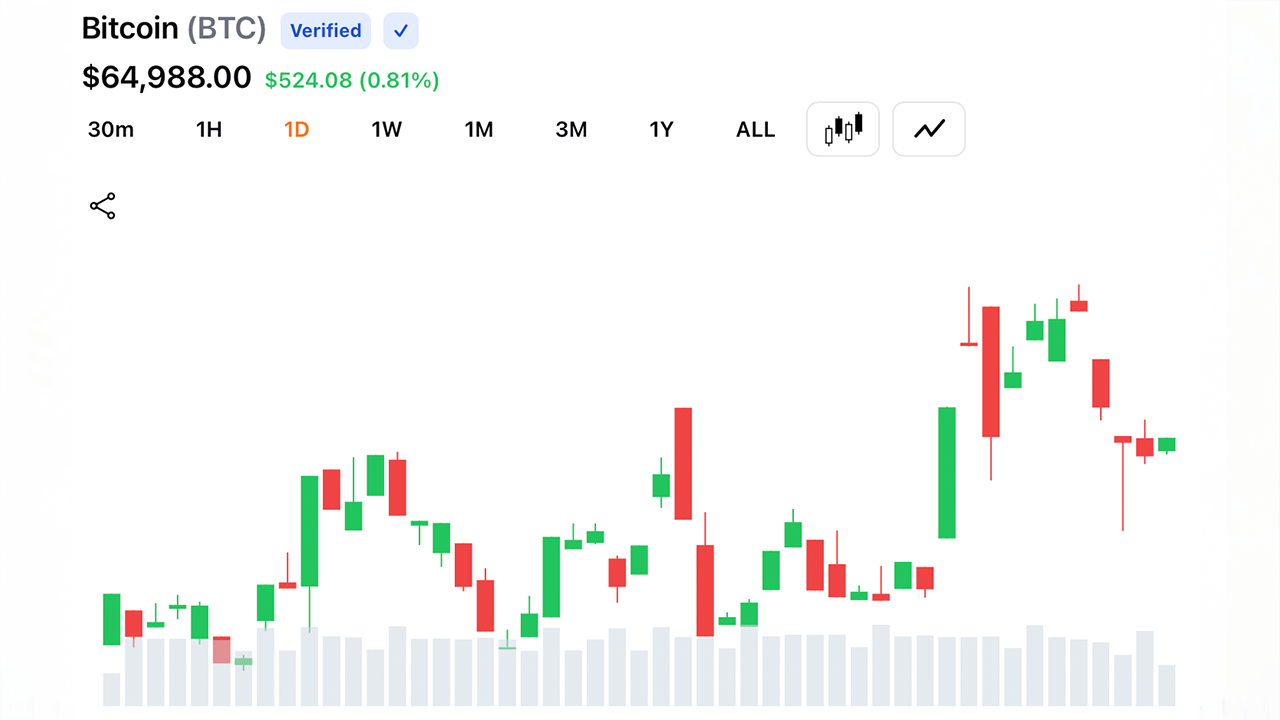
For the growing number of crypto ETFs and tokenized securities products that do fall under SEC jurisdiction, e-delivery reform has direct practical implications. Fund sponsors offering Bitcoin ETFs, Ethereum ETFs, and other digital asset products would benefit from the same cost savings and streamlined communication channels as traditional fund managers.
The 90-day OIRA review window means concrete next steps should become clearer by early fall.
Disclosure: This article was edited by Editorial Team. For more information on how we create and review content, see our Editorial Policy.







 English (US) ·