
 8 hours ago
16
8 hours ago
16
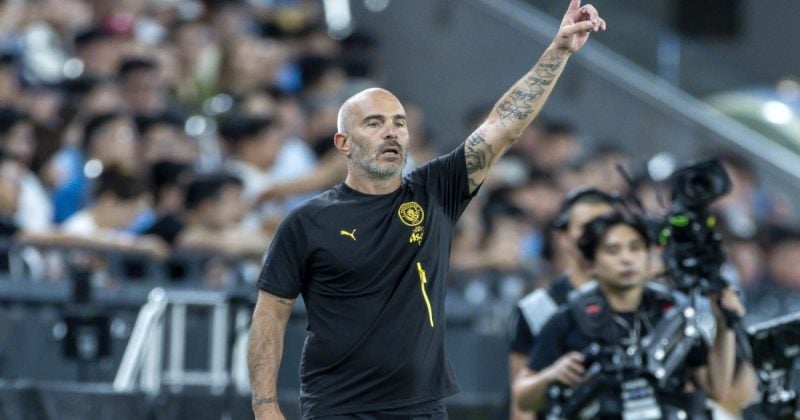
South Korean police raided the Korea Football Association headquarters on August 6, seizing documents related to the controversial appointment of former national team head coach Hong Myung-bo. The raids targeted KFA offices in both Cheonan and Seoul, escalating a two-year investigation into alleged governance failures at the top of Korean football.
What actually happened
The investigation centers on Hong Myung-bo’s appointment as men’s national team head coach in July 2024. Authorities allege that former KFA president Chung Mong-gyu and former technical director Lee Lim-saeng improperly interfered in the selection process, bypassing established protocols to install their preferred candidate.
Both face accusations of obstruction of duties and breach of trust.
Hong himself was summoned for questioning as a suspect on August 4-5, just days before the raids. He had already resigned in June 2026 after South Korea’s early exit from the FIFA World Cup, a result that turned what had been a simmering governance dispute into a full boil.
The probe initially launched roughly two years ago but gained serious momentum after parliamentary hearings in late July 2026.
South Korea’s sports-blockchain intersection
The K League, South Korea’s top professional football division, has previously engaged with blockchain-based fan engagement platforms, including partnerships with Chiliz, the company behind the Socios fan token ecosystem. These types of initiatives typically involve tokenized voting rights, exclusive content access, and other fan engagement mechanics built on blockchain rails.
Why crypto investors should care about South Korean governance stories
South Korea punches well above its weight in global crypto markets. The country’s exchanges, particularly Upbit, routinely rank among the highest-volume trading venues in the world. Korean retail traders have historically driven significant price action, a phenomenon so well-documented it earned the nickname “Kimchi premium” during past bull cycles.
South Korea’s approach to crypto regulation has already been aggressive. The country implemented its Virtual Asset User Protection Act, and regulators have shown willingness to act decisively when they perceive governance gaps in any industry touching retail participants.
No fan tokens have moved on this news, no exchange volumes have shifted, and no regulatory announcements have followed.
Disclosure: This article was edited by Editorial Team. For more information on how we create and review content, see our Editorial Policy.


 English (US) ·