
 1 hour ago
16
1 hour ago
16
SpaceX filed with the Federal Communications Commission in January 2026 for authorization to launch a constellation of up to one million solar-powered satellites. Their purpose: functioning as AI data centers in orbit.
Global data center electricity demand is projected to hit between 1,200 and 1,700 terawatt-hours by 2035. That would represent roughly 4% of all electricity consumed worldwide.
Why orbit makes a strange kind of sense
The logic behind space-based data centers hinges on two things Earth-bound facilities struggle with: power and cooling. In orbit, solar energy is abundant and uninterrupted by weather or nighttime cycles. Cooling, which accounts for a massive share of terrestrial data center operating costs, becomes dramatically easier when your hardware floats in the vacuum of space.
Elon Musk shared details about the planned AI satellites, referred to internally as AI1, on June 8-9, 2026. He noted that AI1 units will actually feature a simpler design than current Starlink satellites.
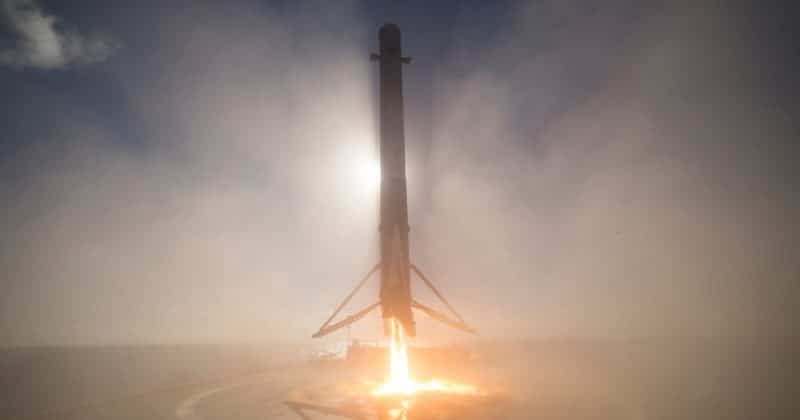
SpaceX is targeting mass production of AI1 satellites by the end of 2027, with initial AI computing tests projected for around the same timeframe. The company’s ace in the hole is Starship, its reusable heavy-lift rocket. The economics of reusable launches could theoretically allow SpaceX to progressively add tens of gigawatts of computing power at minimal marginal cost per launch.
SpaceX has been quietly preparing for a pre-IPO push, and a functioning orbital compute network would be exactly the kind of moonshot that makes public market investors salivate.
The competition is already in orbit
Starcloud, an Nvidia-backed venture, became the first entity to successfully deploy and operate an Nvidia H100 GPU in space back in November 2025. The company ran Google’s Gemini AI model on the orbiting hardware.
Google has its own initiative called Project Suncatcher, which involves sun-synchronous orbit satellites designed for computing workloads. The search giant has reportedly engaged with SpaceX regarding launch support, creating an interesting dynamic where Google is simultaneously a potential customer and a competitor in space-based compute.
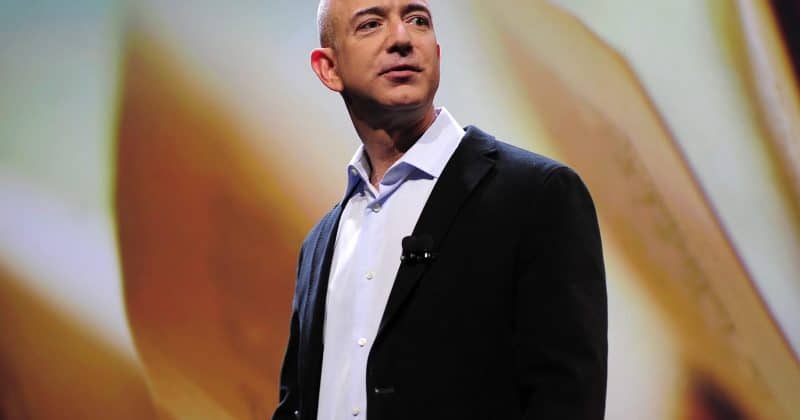
Blue Origin, Jeff Bezos’s rocket company, is also pursuing space-based computing infrastructure. Add in startups like Axiom Space and Orbital, and you have the makings of a genuine industry forming around a concept that sounded absurd five years ago.
What this means for investors and the broader market
The immediate commercial viability of orbital data centers remains uncertain, and SpaceX itself has acknowledged this. Running AI workloads in space introduces latency challenges, maintenance complexity, and the small matter of everything needing to survive launch forces and radiation exposure.
If data centers really do consume 4% of global electricity by 2035, terrestrial solutions alone may not cut it. Governments are already pushing back on new data center construction due to grid strain.
The competitive landscape is also shifting in ways that favor vertically integrated players. SpaceX controls its own launch vehicles, satellite manufacturing, and now potentially the compute layer.
The timeline to watch is the end of 2027, when SpaceX plans its first orbital AI computing tests.
Disclosure: This article was edited by Editorial Team. For more information on how we create and review content, see our Editorial Policy.






 English (US) ·