
 1 hour ago
26
1 hour ago
26
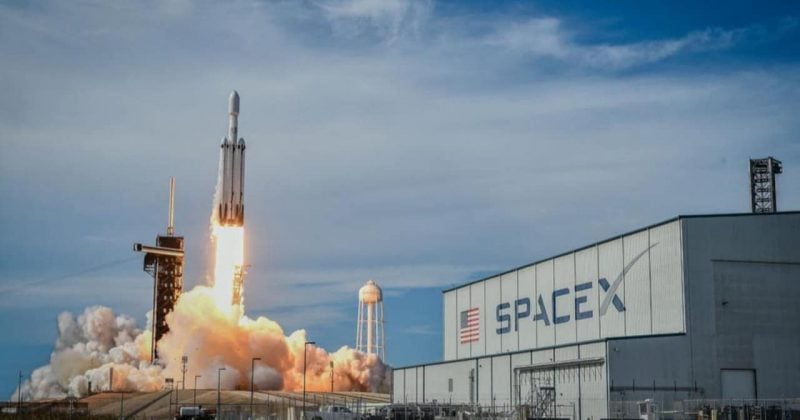
Grimes County, Texas, just handed SpaceX one of the most generous tax deals in American manufacturing history. Commissioners voted 4-1 on June 3 to approve a reinvestment zone and a 100% property tax abatement for the company’s Terafab semiconductor facility, a project initially valued at $55 billion with the potential to scale to $119 billion across multiple phases.
What Terafab actually is
The Terafab project is a semiconductor manufacturing and advanced computing facility planned for a site near Gibbons Creek Reservoir, about 90 miles northeast of Austin. It’s a joint effort involving SpaceX, Tesla, and the newly integrated xAI, all under Elon Musk’s corporate umbrella. Intel has also reportedly shown interest in collaborating on the project.
The facility’s stated goal is to produce next-generation chips for AI and space applications, targeting an annual output of over 1 terawatt of computing power. The phased development structure explains the wide valuation range. The initial $55 billion represents the first buildout. Subsequent expansions could push total investment north of $119 billion.
The local fight and the money math
The vote wasn’t without drama. Strong local opposition preceded the decision, with residents raising environmental concerns and complaints about insufficient project information being shared with the community. Only one commissioner voted against the package.
Elon Musk has projected that the facility could increase Grimes County’s tax revenue by approximately 25% over time. The mechanism here is a structure known as payments in lieu of taxes, or PILOT, which essentially replaces traditional property taxes with negotiated annual payments. Estimates suggest these PILOT collections could total $700 million over the project’s lifespan.
Why this matters beyond Texas
The Terafab approval fits neatly into a broader US government push to reshore semiconductor manufacturing. Global supply chain disruptions during and after the pandemic exposed just how dependent America had become on chip fabrication facilities concentrated in Taiwan and South Korea.
What makes this project distinctive is the vertical integration play. Terafab would produce chips primarily consumed by Musk’s own companies: SpaceX for satellite and rocket systems, Tesla for autonomous driving and robotics, and xAI for large-scale AI model training.
The involvement of Intel as a potential collaborator is also worth tracking. Intel has been trying to reinvent itself as a contract manufacturer through its Intel Foundry Services division.
Disclosure: This article was edited by Editorial Team. For more information on how we create and review content, see our Editorial Policy.





 English (US) ·