
 1 month ago
74
1 month ago
74
- SpaceX shares fell to a new all-time low despite a successful Starship test flight that deployed next-generation Starlink satellites.
- Investors remain focused on Starship’s long-term reliability as the company shifts away from its proven Falcon 9 launch system.
- Analysts believe the stock’s recent volatility reflects uncertainty over execution rather than a lack of technological progress.
SpaceX shares dropped to a new all-time low on Monday, just days after the company completed one of its most successful Starship test flights to date.
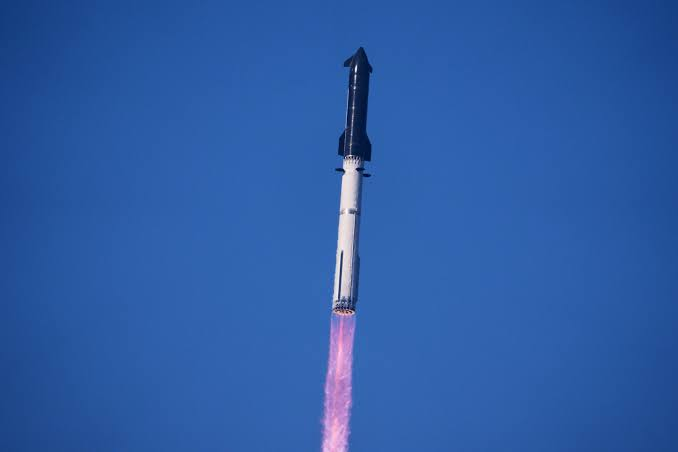
The decline surprised many investors after Starship’s thirteenth test flight successfully deployed 20 next-generation Starlink V3 satellites, reignited an engine in space, and achieved its softest ocean splashdown yet.

Despite those milestones, the market remained cautious as investors continue evaluating whether Starship can reliably become the backbone of SpaceX’s future business.
Starship Continues Making Progress
Friday’s mission marked another important step in SpaceX’s long-term development program.
The launch followed earlier delays caused by an engine ignition abort and unfavorable weather, but ultimately completed several key objectives, including satellite deployment and successful in-space engine relight.
Although the Super Heavy booster failed to ignite all of its engines during the landing burn and impacted the Gulf of Mexico harder than planned, neither stage was intended to be recovered during this mission.
Looking ahead, CEO Elon Musk said SpaceX hopes to attempt the first-ever tower catch of a Starship upper stage using the company’s Mechazilla launch tower during the next flight, assuming post-flight inspections reveal no major issues.
Investors Focus on Execution
Despite the technical progress, investors continued selling the stock.
SpaceX shares fell to roughly $110, down about 18% from the company’s June IPO price and significantly below their post-listing highs.
Market participants appear more concerned with the pace of Starship’s commercialization than with individual test-flight achievements.
Analysts note that moving from successful demonstrations to routine commercial operations remains one of the company’s biggest challenges.
Transition Away From Falcon 9 Raises Stakes
One factor weighing on investor sentiment is SpaceX’s increasing reliance on Starship.
Reports indicate the company has begun reducing future commitments for Falcon 9 launches beyond 2028 while scaling back production of certain Falcon components as it transitions toward Starship.
That strategy means Starship’s reliability will become increasingly important to SpaceX’s future revenue, making every test flight more significant from an investment perspective.
Long-Term Opportunity Remains Intact
While the stock has experienced substantial volatility since going public, many analysts continue to view SpaceX as a long-term leader in the commercial space industry.
Supporters point to the company’s dominant launch business, expanding Starlink network, and ambitious plans to dramatically increase Starship’s launch cadence over the coming years.
For investors, the key question is no longer whether Starship can fly successfully, but whether SpaceX can scale the system into a reliable, high-frequency launch platform capable of supporting the company’s next phase of growth.
Disclaimer: BlockNews provides independent reporting on crypto, blockchain, and digital finance. All content is for informational purposes only and does not constitute financial advice. Readers should do their own research before making investment decisions. Some articles may use AI tools to assist in drafting, but every piece is reviewed and edited by our editorial team of experienced crypto writers and analysts before publication.









 English (US) ·