
 1 hour ago
25
1 hour ago
25
Spain just knocked France out of the 2026 FIFA World Cup with a 2-0 semi-final win in Dallas, and defender Aymeric Laporte’s post-match comments were about as celebratory as a tax filing. No champagne. No locker room dances. Just a pointed reminder that the job isn’t done.
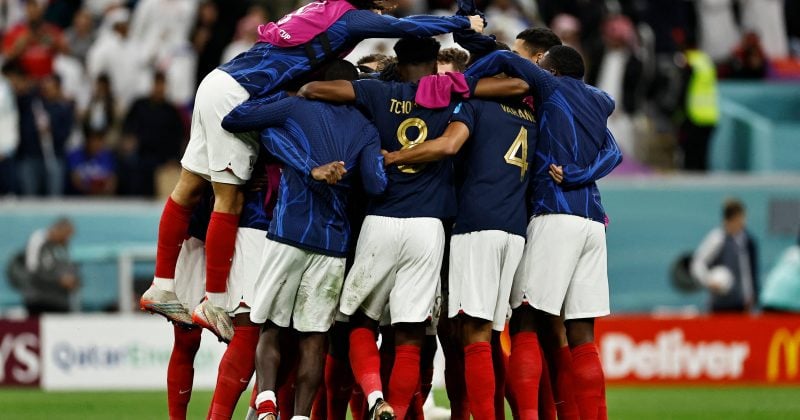
The match and the message
Spain’s victory on July 14 at Dallas Stadium sent them to the World Cup final, capping a run that includes the 2024 European Championship and the 2023 UEFA Nations League title.
Laporte, who was born in France and represented them at youth level before switching allegiance to Spain in 2021, became the first player in World Cup history to defeat his country of birth in a semi-final.
“We didn’t celebrate in the locker room after beating France because we don’t want to do things halfway.”
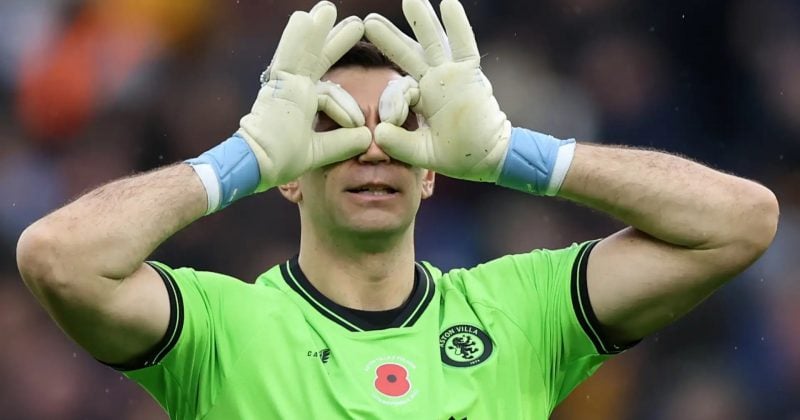
That was Laporte’s message, drawing a pointed contrast with Argentina’s famously boisterous celebrations in previous tournaments. The implication was clear: Spain views anything short of lifting the trophy as incomplete.
The 2026 World Cup is co-hosted by the United States, Canada, and Mexico.
Why crypto markets care about the World Cup
Blockchain-based prediction markets like Polymarket and Azuro have spent the past two years positioning themselves as legitimate alternatives to traditional sportsbooks. The 2026 World Cup represents their biggest stress test yet, both technically and in terms of liquidity depth.
One risk worth flagging: major sporting events have historically been vectors for wash trading and manipulation on less-regulated platforms. The transparency of blockchain settlement cuts both ways. It makes fraud easier to detect after the fact but doesn’t necessarily prevent it in real time.
Disclosure: This article was edited by Editorial Team. For more information on how we create and review content, see our Editorial Policy.






 English (US) ·