
 1 hour ago
19
1 hour ago
19
Taiwan is preparing to rehearse one of the most logistically complex wartime scenarios imaginable: picking up an entire weapons factory and moving it while under attack. The island’s Ministry of National Defense announced on July 28 that its annual Han Kuang military exercises, scheduled for August 5-14, will for the first time include drills simulating the relocation of arms production lines and the conversion of civilian factories to military use.
What Taiwan is actually testing
The drills will specifically simulate the wartime relocation of the Armaments Bureau’s 202nd Arsenal in Taipei. Major General Lu Wen-yuan explained that civilian factories will be activated for what defense officials are calling a “whole-system assembly” process under emergency directives.
The exercises go beyond factory logistics. Taiwan’s military will also throttle mobile internet speeds during the drills, testing how communications hold up when bandwidth gets restricted. Joint operations between the navy and coast guard will simulate escorting critical supplies to the island, a scenario that assumes Chinese forces would attempt to impose a blockade.
The drills will include scenarios where Chinese military exercises serve as cover for actual invasion preparations. Beijing has repeatedly conducted large-scale military maneuvers near Taiwan, and Chinese coast guard activity around the island has been escalating, raising concerns about threats to Pacific supply routes. Beijing continues to claim sovereignty over Taiwan, a position Taipei firmly rejects.
The semiconductor factor crypto investors can’t ignore
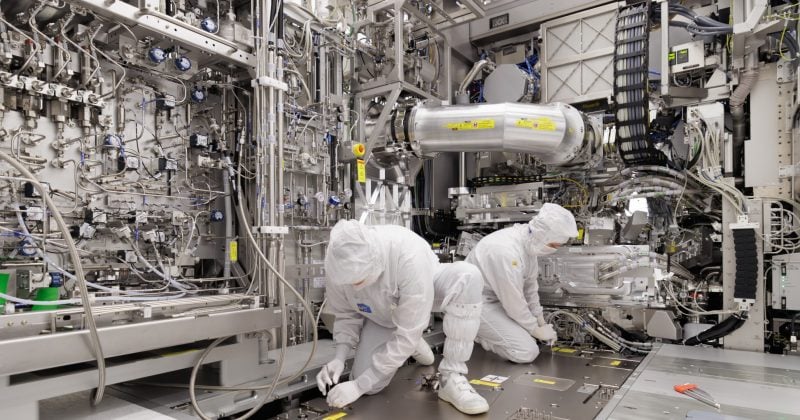
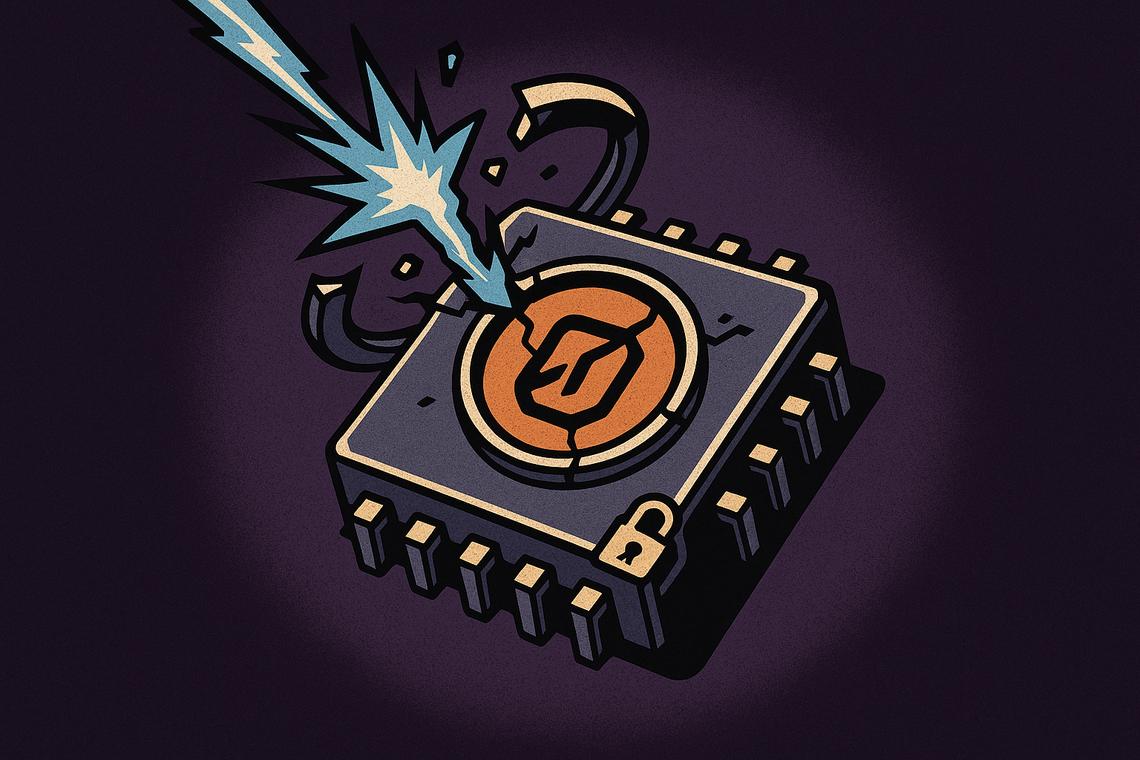
Taiwan Semiconductor Manufacturing Company (TSMC) fabricates chips for Apple, Nvidia, AMD, and virtually every company whose products touch the digital economy. The advanced chips inside Bitmain’s latest ASIC miners, the hardware that secures the Bitcoin network, flow through Taiwanese fabs.
A military conflict involving Taiwan would be an immediate, catastrophic disruption to semiconductor availability worldwide. Mining hardware production would stall. GPU prices would spike.
What this means for investors
For crypto investors specifically, the Taiwan variable operates on two levels. The first is supply chain risk. Any disruption to chip manufacturing would constrain the production of mining hardware, potentially reducing Bitcoin’s hash rate growth and increasing the premium on existing equipment. The second is the broader risk-off event that a Taiwan conflict would trigger across all financial markets, crypto included.
The mobile internet throttling component of the drills deserves attention from a different angle. If Taiwan is testing degraded communications infrastructure, it’s implicitly acknowledging that decentralized, censorship-resistant communication and financial networks could become strategically relevant during a crisis. Mesh networks, satellite-based internet, and cryptocurrency rails that don’t depend on centralized banking infrastructure all become more valuable in a scenario where a government is deliberately restricting bandwidth to simulate wartime conditions.
Disclosure: This article was edited by Editorial Team. For more information on how we create and review content, see our Editorial Policy.





 English (US) ·