
 1 hour ago
18
1 hour ago
18
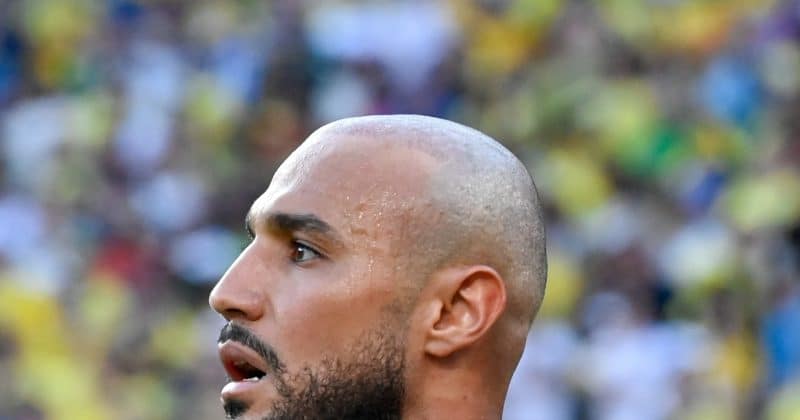
Riyad Mahrez walked away from Al Ahli this week as a free agent, cutting short a contract that was supposed to run through June 2027. For football fans, it’s a roster move. For crypto, it’s a quiet case study in why athlete tokenization remains one of the industry’s most underwhelming experiments.
The Algerian winger joined Al Ahli from Manchester City in July 2023 for a reported €35 million, with add-ons potentially pushing the total to €40 million. His departure on July 4, a full year before his deal was set to expire, barely registered in traditional sports media. It registered even less in crypto markets.
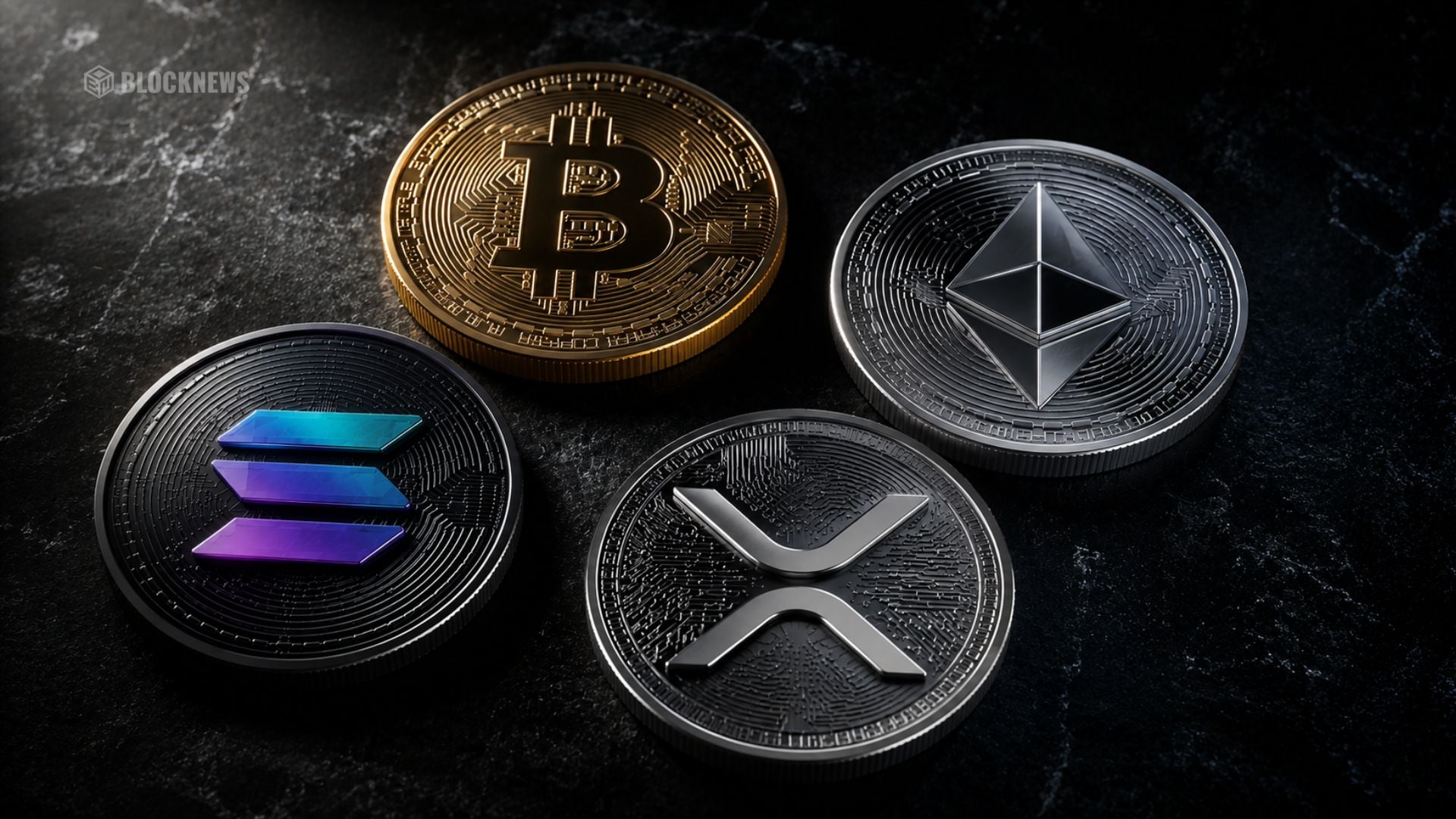
The RMHZ token tells the whole story
The Royaltiz token tied to Mahrez, trading under the ticker RMHZ, has shown essentially zero market reaction to any of his career milestones. Not when he moved to Saudi Arabia. Not when retirement speculation surfaced. And not now, as he becomes a free agent at 35.
The token is regarded as illiquid, which is a polite way of saying there aren’t enough buyers or sellers to form a functioning market. When a major life event for the underlying “asset” generates no price movement whatsoever, the market is sending a very clear signal. It doesn’t care.
Why Saudi football and crypto keep missing each other
Al Ahli’s recent sponsorship deals, like their partnership with Red Sea Global, are firmly in the traditional corporate world. No blockchain companies. No token issuers. No NFT collections.
Saudi Arabia’s regulatory environment around digital assets remains cautious compared to jurisdictions like the UAE, which has aggressively courted crypto firms. The kingdom’s sports investment thesis is about soft power and tourism, not financial innovation.
In 2021 and 2022, clubs like Manchester City signed deals with fan token platforms and crypto exchanges. Many of those partnerships quietly expired or were terminated as sponsors like FTX collapsed. The Saudi league, arriving late to global football’s spending arms race, seems to have learned from watching that mess unfold.
What athlete tokenization needs to actually work
The failure of tokens like RMHZ points to deeper problems with the entire model. Most athlete tokens launch on niche platforms with tiny user bases. Without liquidity, there’s no price discovery. Without price discovery, there’s no speculation. Without speculation, there’s no attention.
Owning a Mahrez token doesn’t give you a share of his salary, his image rights, or his endorsement deals. In most implementations, it gives you access to “exclusive content” or community votes on trivial decisions.
Securities regulators in multiple jurisdictions have flagged athlete and celebrity tokens as potential unregistered securities offerings. That keeps the serious money on the sidelines.
For athlete tokenization to work, it would likely need to offer genuine economic rights, like a percentage of future earnings, operate on liquid exchanges, and exist within a clear regulatory framework. None of those conditions are met today.
Disclosure: This article was edited by Editorial Team. For more information on how we create and review content, see our Editorial Policy.

 English (US) ·