
 2 months ago
27
2 months ago
27
- Powell signals no clear path between inflation control and job stability
- Rate cuts risk reigniting inflation, while holding risks economic slowdown
- Political pressure adds uncertainty, increasing market volatility
The Federal Reserve isn’t in control the way it used to be, or at least, that’s how it’s starting to feel. Speaking at Harvard, Jerome Powell made it clear, maybe more directly than usual, that the Fed is dealing with a real dilemma. Not the usual “we’re watching the data” tone, but something closer to being stuck between two outcomes that both carry risk.
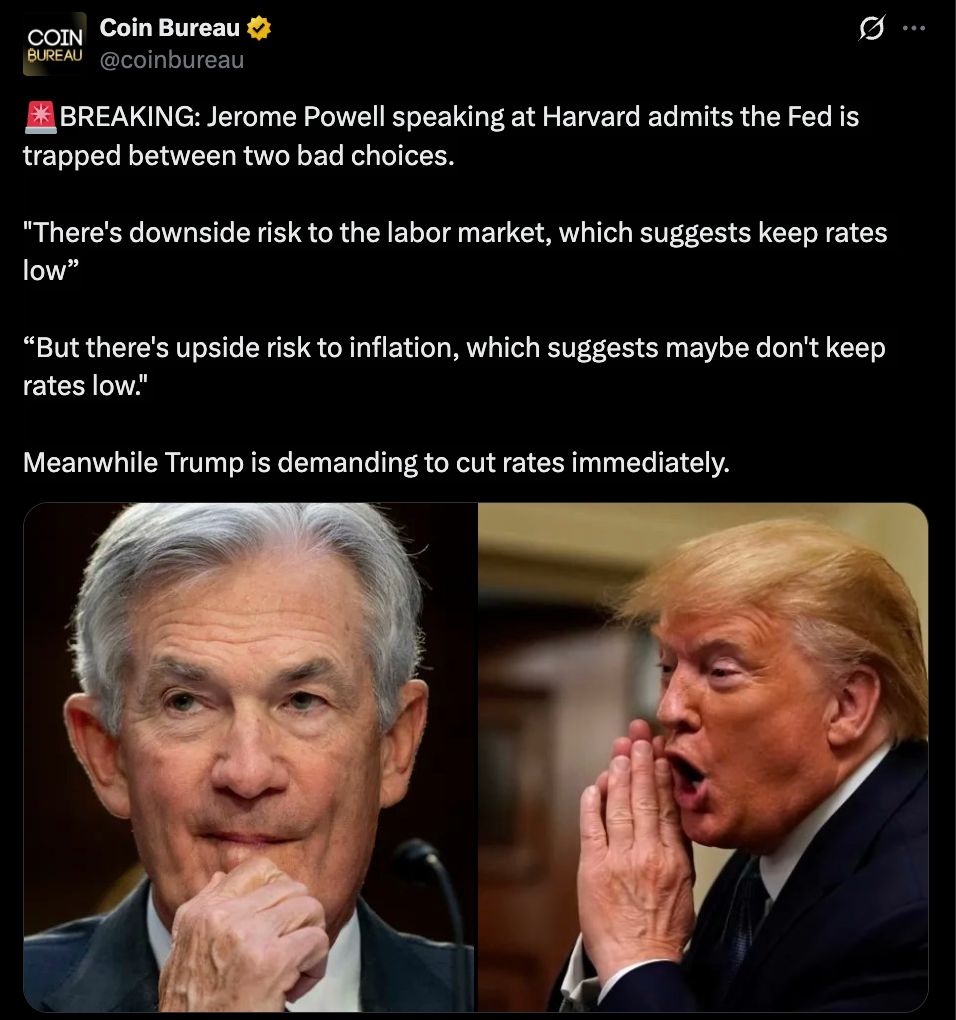
On one side, the labor market is beginning to show cracks. That normally calls for rate cuts to support growth and hiring. On the other side, inflation hasn’t fully settled, and easing too soon could push it right back up. It’s a tradeoff with no clean solution, and markets are starting to notice.
The Fed Is Reacting, Not Leading
Earlier in the cycle, things were simpler. Inflation surged, so rates went up. The direction was clear, and the messaging followed. Now, the signals are mixed, and that clarity is gone.
If unemployment rises, pressure builds quickly for cuts. But inflation still sits in an uncomfortable zone, especially with oil prices climbing and geopolitical risks lingering. That puts the Fed in a reactive position, adjusting to events rather than guiding them, and markets don’t usually like that kind of uncertainty.
Political Pressure Is Entering the Equation
Adding to the tension, Donald Trump is openly calling for immediate rate cuts. While the Fed is designed to operate independently, political pressure tends to find its way into the conversation, especially during sensitive economic periods.
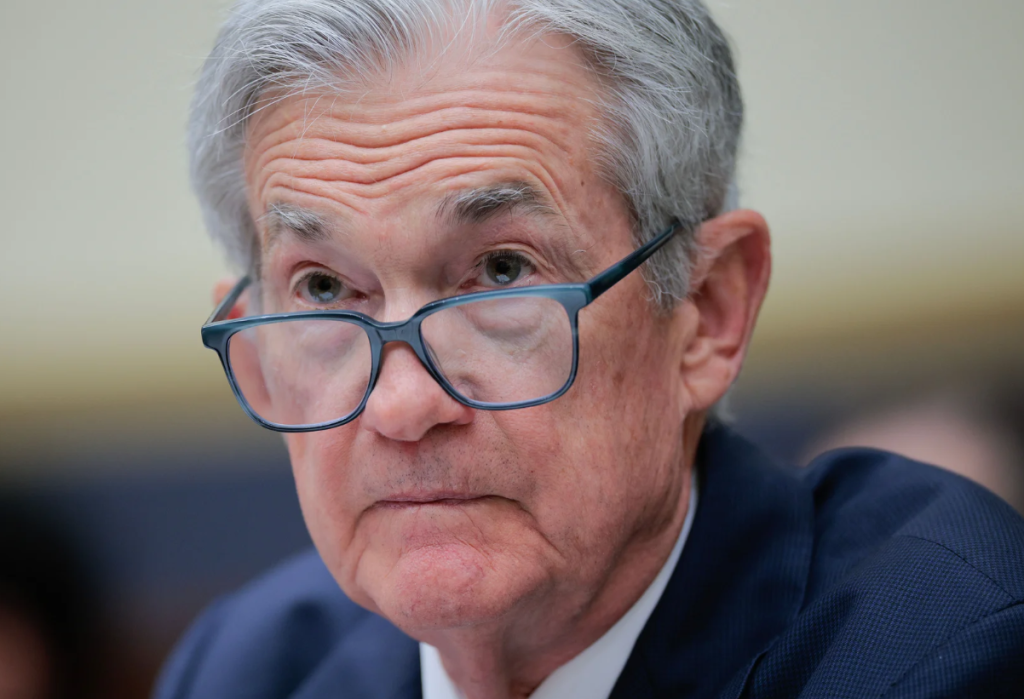
This creates an additional layer of complexity. Any decision the Fed makes can be interpreted in multiple ways, economic necessity, political influence, or both. And that ambiguity can impact how markets respond.
Markets Are Caught Between Two Risks
This kind of setup typically leads to volatility. If the Fed cuts rates too early, inflation expectations could rise again, pushing yields higher and destabilizing markets. If it holds rates steady for too long, economic slowdown becomes more likely.
Neither outcome is particularly comforting. And when markets are forced to weigh two unfavorable scenarios, price action tends to become more erratic.
What This Means for Crypto
For crypto, the signal is mixed. Lower interest rates are usually supportive, but only when they come from a stable backdrop. If cuts happen because something is breaking in the economy, the reaction can be very different.
That’s why this moment feels uncertain. Crypto could benefit from easing policy, but only if it doesn’t come with broader instability. Otherwise, volatility tends to increase rather than fade.
A Balancing Act With No Easy Exit
Right now, the Fed isn’t steering with confidence, it’s balancing between competing risks. And when policy turns into a balancing act like this, markets tend to move first and figure things out later.
That’s the environment forming now. Not a clear trend, but a fragile one, where each decision carries consequences that ripple across every asset class, including crypto.
Disclaimer: BlockNews provides independent reporting on crypto, blockchain, and digital finance. All content is for informational purposes only and does not constitute financial advice. Readers should do their own research before making investment decisions. Some articles may use AI tools to assist in drafting, but every piece is reviewed and edited by our editorial team of experienced crypto writers and analysts before publication.







 English (US) ·