
 1 hour ago
16
1 hour ago
16
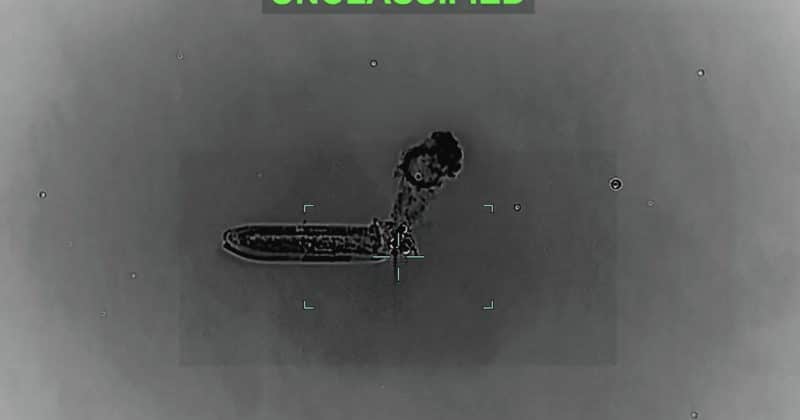
Three Indian sailors are dead after a US military strike hit the oil tanker MT Settebello in the Gulf of Oman, an incident confirmed by US Central Command on June 11, 2026. The attack occurred during an escalating standoff between the US and Iran that has turned one of the world’s most critical shipping lanes into something resembling a conflict zone.
The victims have been identified as Shivang Chaurasia, Aditya Sharma, and chief engineer Patnala Suresh. Twenty-one of the 24 Indian crew members aboard the Palau-flagged tanker were rescued by Oman. India has summoned a US diplomat in response.
What happened in the Gulf of Oman
The sequence of events unfolded over roughly 24 hours, from late June 9 through June 10. According to US Central Command, the MT Settebello’s crew ignored repeated orders to change course away from Iranian ports. The US military then carried out what it described as precision strikes targeting the vessel’s engine room.
The US military has been enforcing a naval blockade in the region since April 13, 2026, after Iran imposed restrictions on traffic through the Strait of Hormuz.
India’s response and the diplomatic fallout
India’s government summoned a US diplomat, demanding accountability from Washington. India is the world’s most populous country, a major strategic partner in the Indo-Pacific, and a nation the US has spent years courting as a counterweight to China.
What this means for global shipping and energy markets
Since the US began its blockade operations on April 13, 2026, the entire Persian Gulf region has become increasingly dangerous for commercial shipping. The Strait of Hormuz is the narrow waterway through which roughly a fifth of the world’s oil supply passes daily.
Disclosure: This article was edited by Editorial Team. For more information on how we create and review content, see our Editorial Policy.





 English (US) ·