
 1 hour ago
20
1 hour ago
20
The Trump administration quietly instructed federal prosecutors in Miami to stop pursuing criminal investigations into Venezuela’s acting President Delcy Rodríguez. The directive, issued on May 27, 2026, represents one of the most dramatic shifts in US policy toward Venezuela in years.
The move comes just months after the January 2026 capture of former Venezuelan leader Nicolás Maduro during Operation Absolute Resolve, a military initiative targeting drug trafficking networks. Rodríguez, who assumed the acting presidency after Maduro’s capture, had been previously implicated in narcotics-related activity.
A prosecution that never was
The Department of Justice claims there wasn’t actually much to shut down. A DOJ spokesperson stated there was “never an investigation into her to shut down,” framing the directive less as a legal retreat and more as a preemptive guardrail.
The directive was issued without public confirmation from the White House, suggesting this was meant to be an internal strategic decision rather than a headline-grabbing policy announcement.
Throughout 2025, US-Venezuelan tensions escalated significantly, with military operations targeting drug vessels and expanded sanctions squeezing the country’s already battered economy.
Oil, diplomacy, and the art of the deal
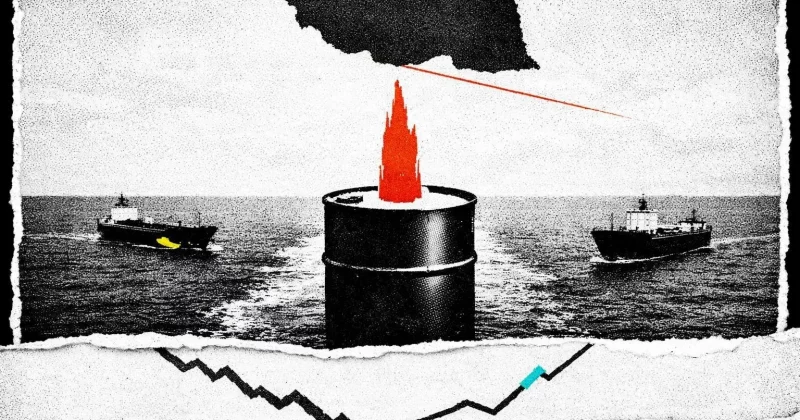
With Maduro out of the picture, the administration appears to see an opening. Stabilizing Venezuela’s oil sector could serve multiple US interests simultaneously: easing global supply constraints, creating new investment opportunities for American energy companies, and providing Washington with leverage in a region where China and Russia have been steadily expanding their influence.
The US still has narco-terrorism charges hanging over Maduro from previous indictments. Walking that line, maintaining legal accountability for the former regime while courting the current one, requires diplomatic finesse.
Law enforcement insiders have described the instruction as a major policy shift, one that prioritizes diplomatic engagement over prosecution at what they consider a critical juncture in Venezuela’s political transition.
What this means for markets and investors
Venezuela’s oil output has been a fraction of its potential for years, crushed by mismanagement, underinvestment, and international sanctions. Any meaningful recovery would add supply to global markets, potentially putting downward pressure on prices.
Venezuelan instability has historically driven some adoption of Bitcoin and stablecoins as hedges against hyperinflation and capital controls. A more stable Venezuela could reduce that particular demand driver.
The directive was issued quietly, without a clear public framework for what comes next. If sanctions relief follows, energy stocks with Venezuelan exposure could benefit.
Disclosure: This article was edited by Editorial Team. For more information on how we create and review content, see our Editorial Policy.








 English (US) ·