
 1 hour ago
13
1 hour ago
13
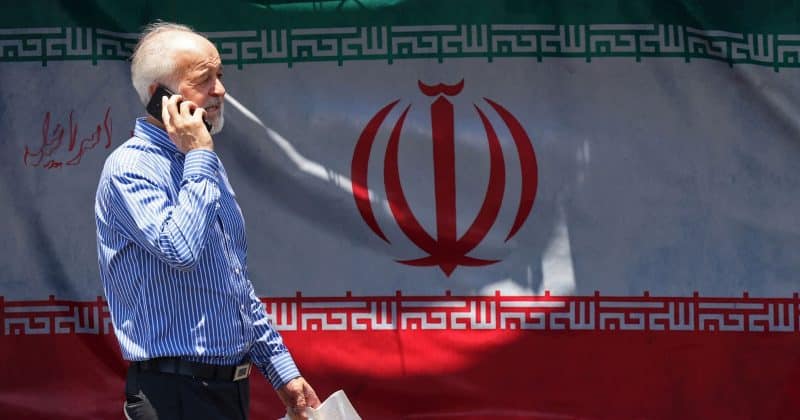
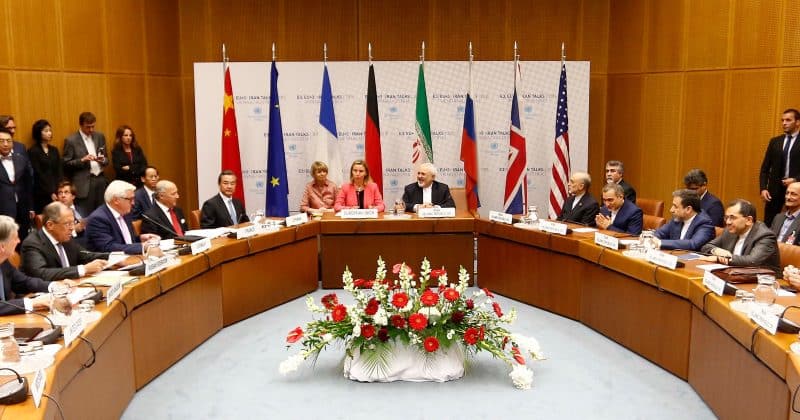
President Trump announced an interim deal with Iran on June 15 during bilateral talks with French President Emmanuel Macron at the G7 summit in Évian-les-Bains, France. The agreement, if formally signed as scheduled on June 19 in Switzerland, would end over three months of military conflict, lift the US naval blockade of Iranian ports, and restore free maritime traffic through the Strait of Hormuz.
Bitcoin climbed roughly 2% to approximately $65,800 on the news, hitting its highest level in about two weeks. Oil prices, meanwhile, slid toward $80 per barrel as the market priced in reduced supply disruption risk.
What the deal actually involves
The Strait of Hormuz carried around 20% of global oil and LNG shipments before the conflict began. When Iran effectively closed it starting in late February 2026, the ripple effects hit energy markets, shipping insurance rates, and downstream consumer prices almost immediately.
The interim agreement reportedly commits both sides to a cessation of hostilities and the removal of the US naval blockade. Trump took to social media to frame the outcome in characteristically blunt terms, stating the Strait would be open to all traffic after the signing. “Let the oil flow,” he wrote.
This deal builds on a tentative 60-day ceasefire framework that emerged in May 2026. Under that earlier proposal, Iran committed to clearing mines from the Strait, permitting free oil exports, and engaging in nuclear discussions.
The formal signing is set for June 19 in Switzerland. Until pen meets paper, the arrangement remains an interim agreement rather than a binding treaty.
Why crypto markets are reacting
During the initial Strait closure in late February and early March, Bitcoin didn’t behave like the “digital gold” narrative would predict. Instead of rallying on chaos, it sold off alongside other risk assets as investors retreated to actual dollars and treasuries.
The correlation between Bitcoin and crude oil has been notably inverse during this crisis cycle. When oil spiked on supply fears, Bitcoin softened. As oil retreats toward $80 per barrel on easing tensions, Bitcoin catches a bid.
What investors should watch from here
The June 19 signing date is the first critical milestone. If the signing proceeds as planned, expect a second leg of relief across risk assets. If it falls apart, the reversal could be sharp.
Iran’s commitment to clearing mines from the Strait is not a weekend project. Markets will need to see physical evidence of reopened shipping lanes, not just diplomatic communiqués, before fully pricing out the risk premium.
Bitcoin mining economics are directly sensitive to energy costs, and a sustained drop in global oil and LNG prices would reduce operational expenses for miners, particularly those in regions reliant on fossil fuel-based electricity.
Gold had been the primary beneficiary of Hormuz-related uncertainty throughout the spring. If the deal sticks and geopolitical risk recedes, some of that capital could rotate into higher-beta assets like Bitcoin and large-cap altcoins.
Disclosure: This article was edited by Editorial Team. For more information on how we create and review content, see our Editorial Policy.







 English (US) ·