
 5 hours ago
12
5 hours ago
12
President Donald Trump announced that a newly brokered framework agreement with Iran would delay any further US military action and prevent Iran from developing nuclear weapons for up to two years. The deal, structured as a memorandum of understanding, represents a dramatic pivot from the 2025 strikes that targeted Iranian nuclear facilities to a diplomatic approach that has already started moving markets.
Bitcoin surged to its highest levels in nearly two weeks on the news. The logic is straightforward: less geopolitical chaos means lower oil prices, which means more appetite for risk assets like crypto.
What’s actually in the deal
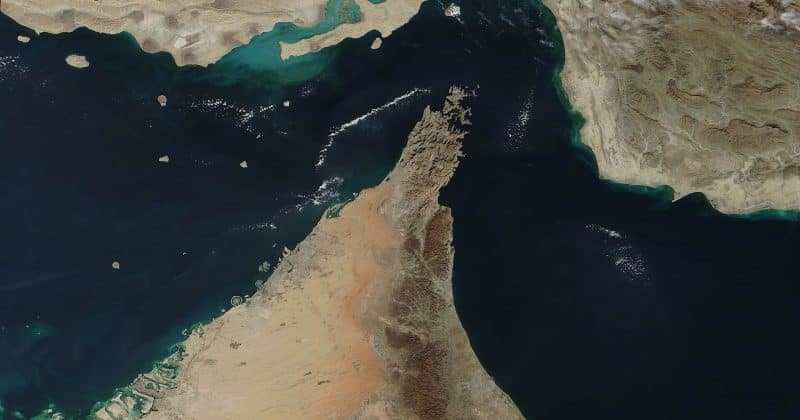
The MOU is focused on immediate stabilization measures, primarily reopening the Strait of Hormuz and lifting related blockades. The thornier questions about Iran’s nuclear program, the kind of enrichment caps and inspection regimes that defined the 2015 Joint Comprehensive Plan of Action, are being deferred to subsequent negotiations.
The signing is targeted for around June 20, 2026, in Switzerland. Trump had previously set a 60-day negotiation deadline earlier in 2026, and the MOU appears to have been finalized within that window.
Trump characterized the agreement as a significant step in preventing further US hostilities while allowing for short-term economic stability in a region that has been persistently unstable.
The military context matters
This diplomatic turn didn’t happen in a vacuum. It follows US and Israeli strikes on Iranian nuclear facilities in 2025, which multiple military officials assessed had already set back Iran’s nuclear program by approximately one to two years.
So when Trump says the deal prevents Iran from developing nuclear weapons for up to two years, there’s a question worth asking: how much of that timeline is the deal’s doing, and how much was already accomplished by the bombs?
The prior benchmark for comparison remains the JCPOA, which placed restrictions on Iran’s nuclear activities in exchange for sanctions relief. That deal was signed in 2015, Trump withdrew the US from it in 2018 during his first term, and Iran subsequently resumed enrichment activities.
What this means for investors
Crypto markets responded with notable enthusiasm to the de-escalation signals. Bitcoin’s rally to two-week highs reflects a market that has become increasingly sensitive to geopolitical risk factors. Lower oil prices, which tend to follow reduced Middle East tensions, historically correlate with improved sentiment across risk assets.
The reopening of the Strait of Hormuz would relieve pressure on global energy supply chains. But it also removes a supply constraint that has been supporting oil prices, which creates winners and losers across energy markets.
The MOU is a framework, not a final agreement. The hard negotiations over nuclear program limits haven’t started yet. If those talks stall or collapse, the geopolitical risk premium comes roaring back, and the assets that rallied on optimism tend to give those gains back just as fast.
Disclosure: This article was edited by Editorial Team. For more information on how we create and review content, see our Editorial Policy.






 English (US) ·