
 1 hour ago
13
1 hour ago
13
The Strait of Hormuz, the narrow waterway that carries roughly 20% of the world’s oil and LNG trade, has been effectively shut down since March 2, 2026. On Saturday, Donald Trump posted on Truth Social that it will reopen by Friday, toll-free, as part of a sweeping diplomatic deal with Iran.
Bitcoin responded the way Bitcoin does when geopolitical risk evaporates: it went up. BTC climbed past $65,000 following the announcement, peaking near $66,200, a gain of approximately 2%.
What the deal actually says
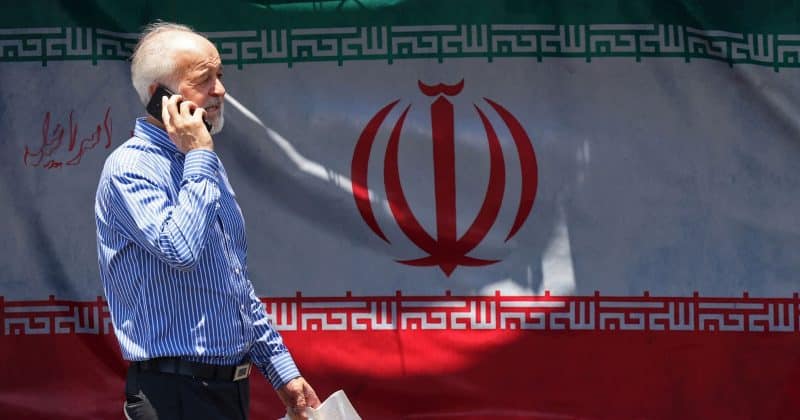
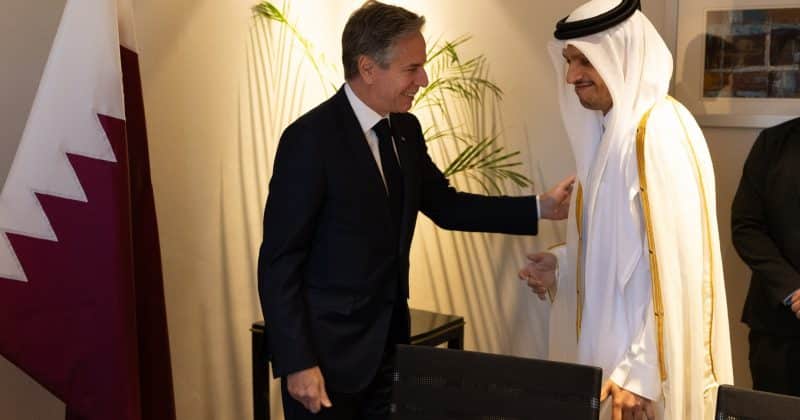
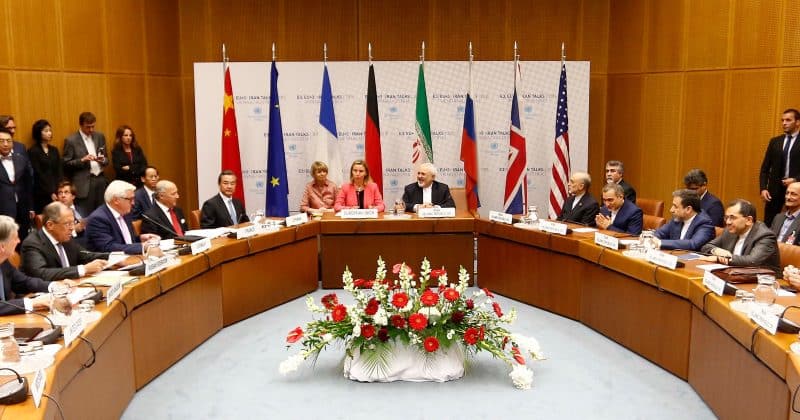
The agreement, announced June 14, reportedly includes Iran’s commitment to halt its nuclear weapons program and guarantee unrestricted commercial shipping through the Strait of Hormuz without tolls. The formal signing is expected to take place on June 19 in Switzerland.
Iran has acknowledged some of the terms, emphasizing the coordination required to resume shipping operations in the waterway. That’s a notable shift from the posture that led to the strait’s closure in early March, when military actions by the US and Israel against Iran escalated into a full blockade of tanker traffic.
The closure has been in effect for over three months. During that time, international tanker traffic through the strait dropped to effectively zero, creating a sustained supply shock that rippled through commodity and financial markets worldwide.
Why crypto cares about an oil shipping lane
When energy supply is uncertain, inflation expectations rise. When inflation expectations rise, central banks tighten. When central banks tighten, liquidity dries up. And when liquidity dries up, risk assets, including crypto, get hit first and hardest.
Bitcoin’s jump to $66,200 reflects exactly that logic. It wasn’t a crypto-specific catalyst. It was a macro catalyst that crypto absorbed faster than most traditional markets because it trades 24/7 and its participants tend to be highly attuned to geopolitical headlines.
The bigger picture for markets
Energy-importing nations, basically all of Europe and most of Asia, have been scrambling to secure alternative supply routes since March. Insurance premiums for tankers operating anywhere near the Persian Gulf spiked to levels that made many shipments economically unviable.
For crypto investors specifically, there are a few threads worth watching. First, the deal’s durability matters more than its announcement. The June 19 signing in Switzerland is the next milestone. Second, oil price movements in the coming week will serve as a real-time credibility check. Third, the deal includes nuclear commitments from Iran, which introduces a layer of verification complexity that could take months to play out.
Disclosure: This article was edited by Editorial Team. For more information on how we create and review content, see our Editorial Policy.




 English (US) ·