
 1 hour ago
11
1 hour ago
11
President Trump is making the media rounds to sell a new agreement framework with Iran, framing it as the kind of deal that prevents economic disaster rather than one that courts it. The pitch is straightforward: no nukes, no US money to Tehran, and a reopened Strait of Hormuz to keep global oil flowing.
A formal signing is expected around June 20, and negotiations have reportedly been described as “largely negotiated” since late May.
What’s actually in the deal
Trump has characterized the framework as a “fair deal” aimed squarely at dismantling aspects of Iran’s nuclear program. He’s been emphatic that the arrangement involves zero financial commitments from the US to Iran, a point clearly designed to pre-empt the criticism that dogged the 2015 JCPOA under President Obama.
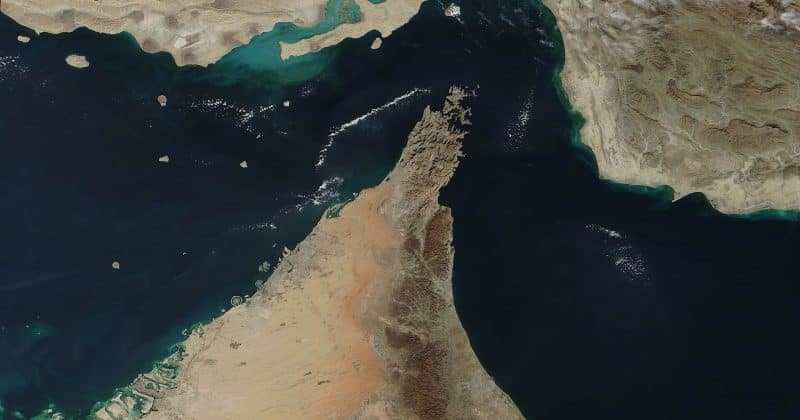
The centerpiece beyond nonproliferation is the Strait of Hormuz. Roughly one-fifth of the world’s oil supply passes through that narrow waterway, and the 2026 conflict put that flow at serious risk.
Trump distilled his negotiating philosophy into a now-familiar ultimatum: “a Great Deal for all or, no Deal at all.” Qatar has reportedly played a key mediating role in getting both sides to the table.
Trump’s 2018 withdrawal from the original JCPOA, which led to renewed sanctions and ultimately the current diplomatic standoff, is the reason these negotiations exist in the first place.
Bitcoin’s geopolitical barometer keeps ticking
Bitcoin reversed earlier losses after Trump’s announcements about the Iran agreement back in May. The pattern is familiar: geopolitical tension sends risk assets down, diplomatic progress sends them back up.
Meanwhile, US authorities seized approximately $1 billion in crypto assets linked to Iran in late May. That enforcement action served dual purposes: upholding existing sanctions while demonstrating that Washington has the tools to track and confiscate digital assets used to circumvent financial restrictions.
Iran has reportedly been using cryptocurrency to finance operations outside the traditional banking system, which sanctions were designed to restrict. A successful deal that brings Iran back into the fold of legitimate commerce could actually reduce the incentive for state-level crypto evasion.
Why energy markets and crypto are more connected than you think
When oil spikes because a critical shipping lane is threatened, inflation expectations rise, central banks tighten, and investors flee to safety. Risk assets, crypto included, get punished.
The 2026 conflict created a worst-case scenario for energy-dependent economies. Oil infrastructure was directly threatened, and the Strait of Hormuz became a geopolitical flashpoint that spooked markets globally.
What investors should actually watch
The $1 billion crypto seizure is worth monitoring as a leading indicator of US enforcement posture. If the deal succeeds and sanctions are eased, the rationale for aggressive crypto asset seizures tied to Iran diminishes, potentially reducing regulatory overhang on exchanges and protocols that have been flagged for potential sanctions exposure.
Traders should also keep an eye on oil futures as a proxy for deal credibility. If crude prices decline steadily after the signing, it signals that the market believes the Strait of Hormuz is genuinely secure.
Disclosure: This article was edited by Editorial Team. For more information on how we create and review content, see our Editorial Policy.





 English (US) ·