
 1 hour ago
13
1 hour ago
13
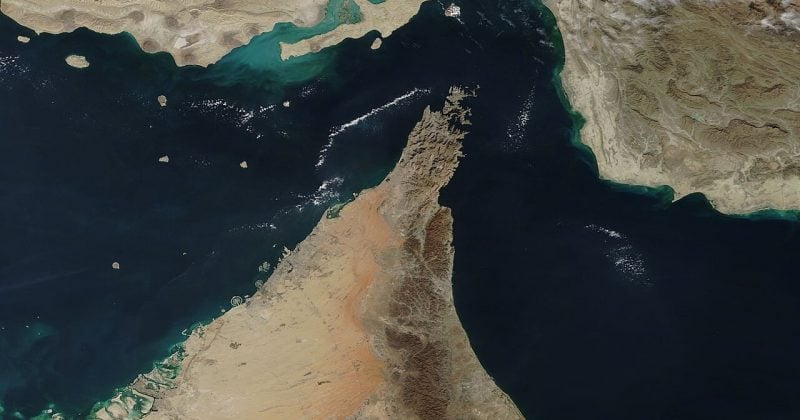
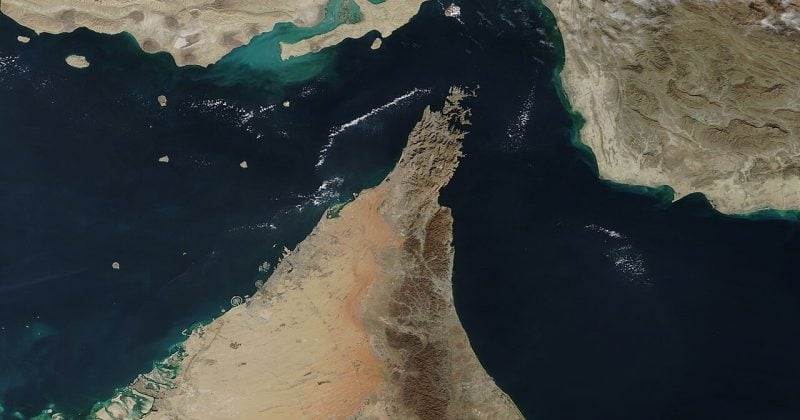
President Trump has announced that countries should compensate the United States for its defense of the Strait of Hormuz. This statement comes amid the ongoing U.S.-Israel conflict with Iran, marked by U.S. naval operations in the region, including escorting commercial vessels through the strait. The U.S. has been actively involved in maintaining security in the area under “Project Freedom,” especially after Iranian attacks on commercial ships. Trump’s demand for payment indicates a potential shift towards cost-sharing for U.S. military operations, reflecting possible frustration over the lack of coalition support from allies such as Japan, South Korea, Australia, and Spain.
Key Takeaways
- Trump’s statement suggests increased military involvement in the Strait of Hormuz, which markets appear to interpret as consistent with a potential U.S. blockade on Iran.
- The demand for payment from allies may indicate a strategic push for cost-sharing in military operations, reflecting possible geopolitical tensions.
- Market pricing shows a decrease in confidence for a blockade announcement by July 31, but increased likelihood by December 31, consistent with evolving U.S. military strategies.
What to Watch
Observers should monitor any official announcements from the U.S. Central Command or the State Department regarding changes in military presence or coalition dynamics in the Strait of Hormuz. Developments in diplomatic relations, especially statements or agreements involving Iran and its neighbors, could influence market perceptions of a blockade’s likelihood. Additionally, monitoring the response from countries named by Trump, as well as their willingness to contribute financially, will be crucial in assessing future U.S. actions in the region.
Get live prediction-market analysis, powered by Vera. Sign up for Vera.
Disclosure: This article was edited by Estefano Gomez. For more information on how we create and review content, see our Editorial Policy.





 English (US) ·