
 3 hours ago
13
3 hours ago
13
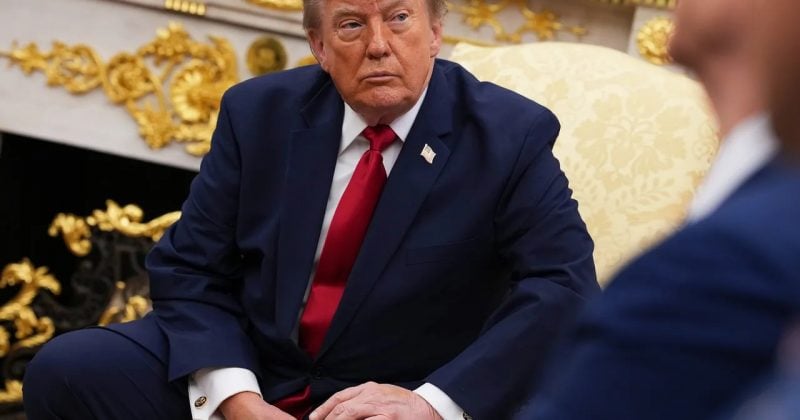
President Trump signed executive orders on July 20 imposing a 50% tariff on a broad range of Canadian imports, covering everything from wine and dairy products to cement, furniture, clothing, and yes, hockey sticks. The tariffs take effect August 19, giving markets roughly a month to digest what amounts to the sharpest escalation in US-Canada trade friction in recent memory.
The administration invoked Section 338 of the Tariff Act of 1930, a rarely used provision that allows the president to impose retaliatory duties when a foreign country discriminates against American commerce. In this case, the White House pointed to Canadian barriers on US automobiles, dairy exports, and alcohol distribution as justification for the move.
What’s covered, what’s not
The tariff list reads like a catalog of everyday goods. Wine, cement, dairy products, hockey sticks, fishing rods, furniture, and clothing all fall under the 50% rate. For context, a 50% tariff effectively means a Canadian product that costs $100 at the border now costs $150 before it ever reaches a store shelf.
These tariffs apply to many items regardless of whether they’re covered under the USMCA trade agreement, the successor to NAFTA that was supposed to provide stability for North American commerce.
Some categories did receive exemptions. Energy, potash, fish, and certain critical minerals were carved out, a tacit acknowledgment that slapping 50% duties on Canadian oil or fertilizer inputs would create immediate pain for American consumers and industries.
The use of Section 338 is notable in itself. This isn’t a national security justification like the Section 232 steel tariffs from Trump’s first term. It’s a direct claim that Canada discriminates against American goods, specifically citing the country’s supply management system for dairy and its provincial alcohol distribution monopolies, both of which have been sore points in trade negotiations for decades.
The macro backdrop for crypto
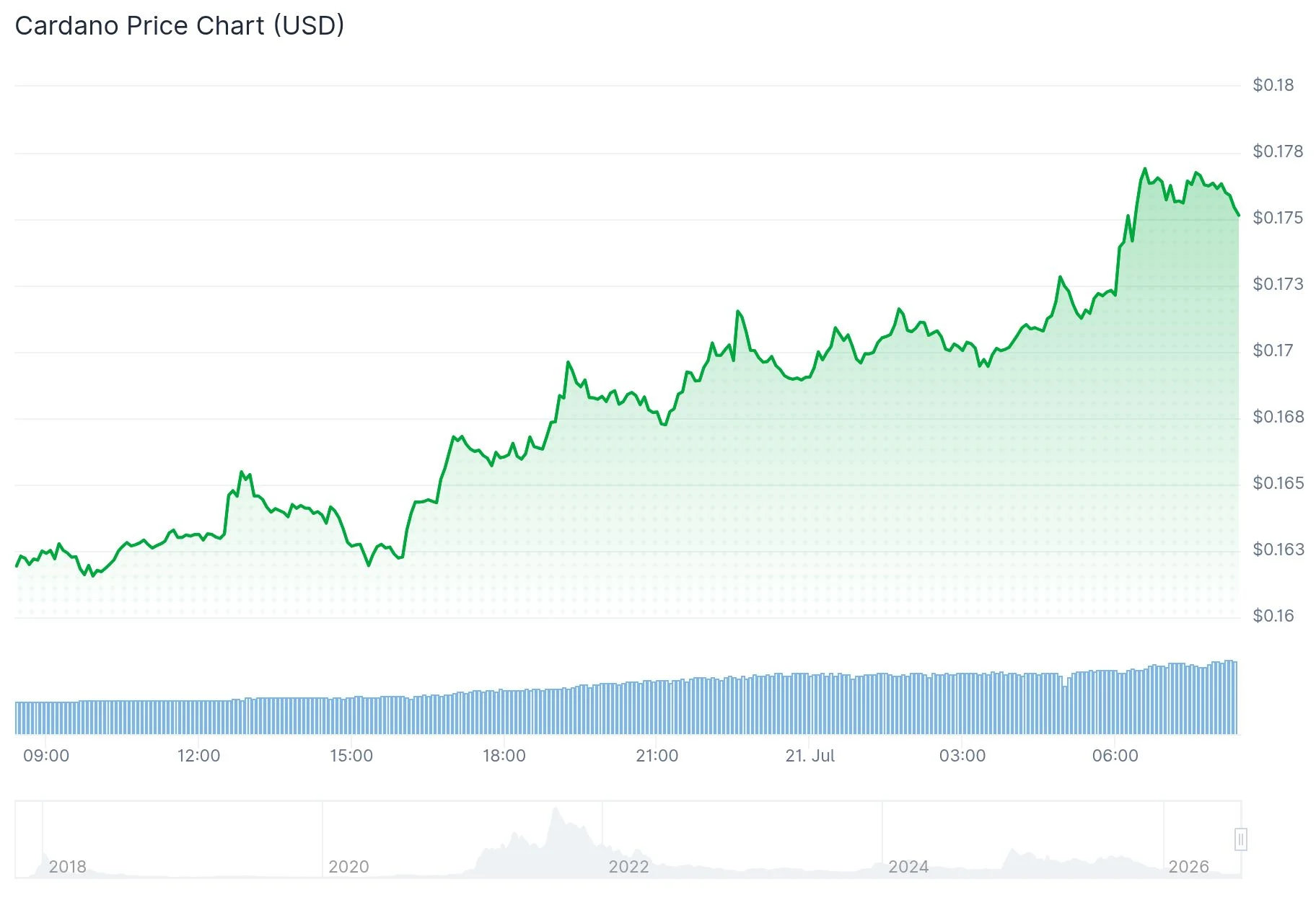
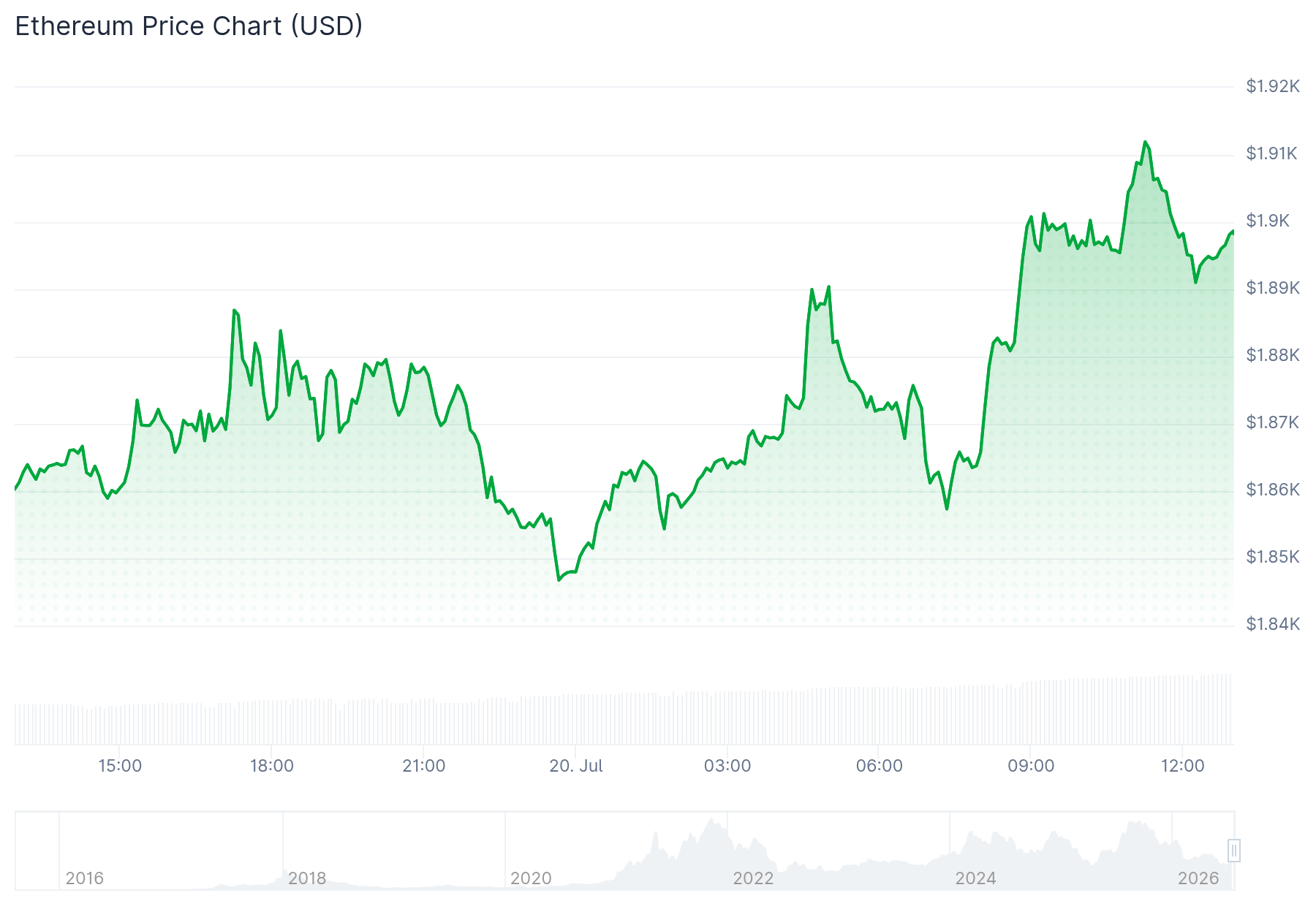
While no cryptocurrency assets are directly targeted by these tariffs, the second-order effects matter for digital asset prices. Tariffs raise input costs for businesses, those costs get passed to consumers feeding inflation, central banks respond by keeping monetary policy tighter for longer, and reduced liquidity is a significant headwind for risk assets, crypto included.
During the US-China tariff escalations of 2018-2019, crypto markets experienced significant volatility as traders repriced their expectations for global growth.
What crypto investors should watch
The 30-day window before these tariffs take effect on August 19 creates a period of negotiating leverage for both sides. Canada could announce retaliatory measures, the two countries could enter negotiations, or the tariffs could simply go into effect as scheduled.
If energy and critical minerals stay exempt, the inflationary impact of these tariffs will be more contained than the headline 50% rate suggests. That distinction matters for how the Federal Reserve interprets the tariff impact, which in turn matters for the liquidity environment that drives crypto valuations.
For now, the smart move is to watch the Canadian government’s response and any movement in bond yields. If yields spike on the tariff news, expect crypto to face headwinds. If yields stay contained because markets view this as a negotiating tactic rather than permanent policy, crypto could weather the storm with relatively minor turbulence.
Disclosure: This article was edited by Editorial Team. For more information on how we create and review content, see our Editorial Policy.






 English (US) ·