
 1 hour ago
11
1 hour ago
11
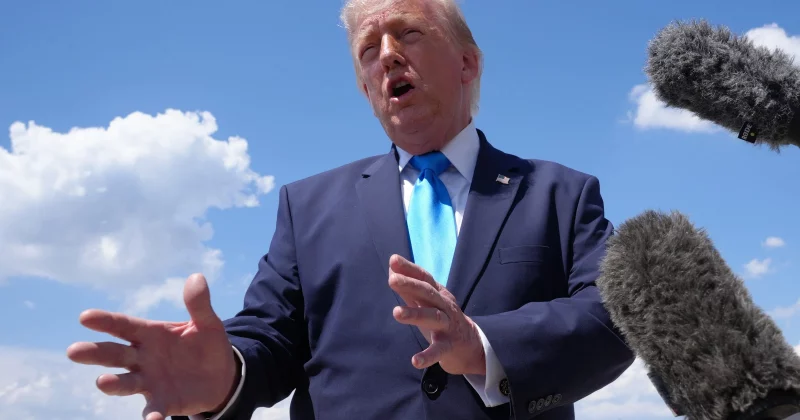
President Trump laid out two paths for what happens to Iran’s enriched uranium if the two countries reach a peace agreement. Either the material gets shipped to the US and destroyed, or it gets handled through a coordinated international process.
What’s on the table
The negotiations center on roughly 400 to 440 kg of Iran’s 60% enriched uranium. It’s enough material to potentially produce approximately 11 nuclear weapons, with most of the stockpile housed at secret underground facilities near Isfahan.
Iran has tentatively agreed to dispose of the uranium, though the mechanics of how that actually happens remain unresolved. No formal agreement has been signed. Trump framed two options. The first involves physically transferring the enriched material to the United States for destruction. The second, which he indicated was preferable, would involve international coordination to handle the disposal process.
Crypto prediction markets are already pricing it in
The likelihood of Iran handing over its uranium stockpile by December 31, 2026, has risen to 50%, up from 44% before the latest round of headlines. The odds of a broader, comprehensive US-Iran nuclear agreement being reached before the end of 2027 have surged to 77%.
Bitcoin has been trading in a range between $65,000 and $78,000 amid the swirl of US-Iran negotiation news.
The sanctions connection
The US has frozen approximately $344 million in cryptocurrency assets linked to Iranian entities as part of its sanctions enforcement efforts. Iran has long been accused of using cryptocurrency to circumvent traditional financial sanctions. The pseudonymous nature of blockchain transactions makes it attractive for sanctioned states, but the transparency of public ledgers also makes it possible for enforcement agencies to trace and freeze funds once wallets are identified.
North Korea’s Lazarus Group has stolen billions in digital assets over the years. Russia has explored crypto for energy trade settlements. Iran’s situation is unique because the uranium negotiations create a clear, binary catalyst: deal or no deal, with direct consequences for how aggressively the US pursues crypto-based sanctions evasion.
What this means for investors
The prediction market probabilities suggest traders believe a deal is more likely than not. A 77% chance of a comprehensive agreement by end of 2027 is a strong signal. The $344 million in frozen crypto assets creates a direct financial link between the negotiations and the digital asset market. Any movement on sanctions, whether tightening or loosening, has immediate implications for compliance frameworks, exchange policies, and the regulatory landscape for crypto more broadly.
Disclosure: This article was edited by Editorial Team. For more information on how we create and review content, see our Editorial Policy.





 English (US) ·