
 1 hour ago
21
1 hour ago
21
President Donald Trump announced he will submit a preliminary peace framework with Iran to Congress for review, a move that has left lawmakers on both sides of the aisle scrambling for answers about a deal most of them haven’t actually seen.
The agreement, signed digitally on June 15, 2026, is reportedly a roughly one-and-a-half-page memorandum of understanding.
What’s actually in the deal
The framework covers three major components: reopening the Strait of Hormuz, lifting existing blockades, and establishing nuclear restrictions with related benchmarks. A formal signing ceremony is scheduled for June 19, 2026, in Geneva.
The agreement invokes the Iran Nuclear Agreement Review Act, the same legislative mechanism used for the 2015 JCPOA under the Obama administration. Congress gets a formal review period to scrutinize the deal before it takes full effect, just like it did with the original Iran nuclear agreement.
Invoking that review act means lawmakers will have a defined window to approve, reject, or simply let the agreement stand through inaction. But bipartisan frustration is already building because many members of Congress say they received limited briefings about the pact’s contents before Trump’s announcement.
A president who withdrew the US from the original JCPOA in 2018 is now asking the same legislative body to evaluate a new framework with Iran, using the same congressional review process he once criticized.
Crypto markets react to geopolitical detente
Bitcoin surged above $67,000 shortly after the news broke, reflecting reduced geopolitical risk premiums in global markets.
Earlier in June, the US Treasury sanctioned Nobitex, Iran’s largest digital asset exchange, seizing approximately $1 billion in digital assets tied to sanctions evasion.
The broader geopolitical backdrop
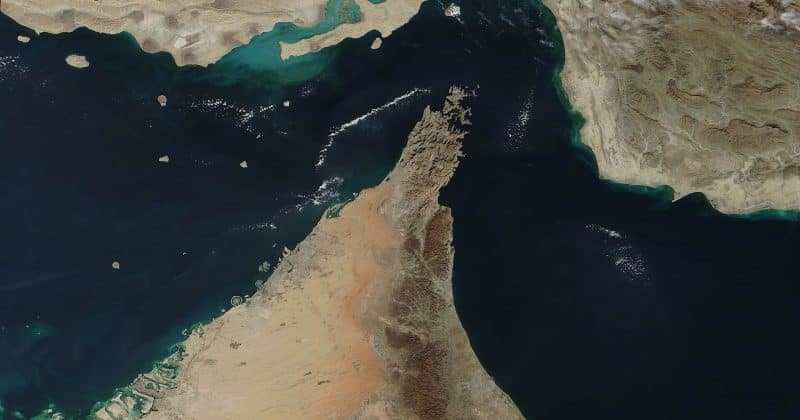
The Strait of Hormuz is arguably the most strategically important chokepoint in global energy markets. Roughly a fifth of the world’s petroleum passes through it.
What this means for investors
The $1 billion seizure from Nobitex demonstrates that even as diplomatic doors open, the US government is not relaxing its posture on illicit digital asset flows tied to Iran. Investors should not interpret a peace framework as a signal that compliance requirements or sanctions enforcement will ease.
Disclosure: This article was edited by Editorial Team. For more information on how we create and review content, see our Editorial Policy.





 English (US) ·