
 53 minutes ago
14
53 minutes ago
14
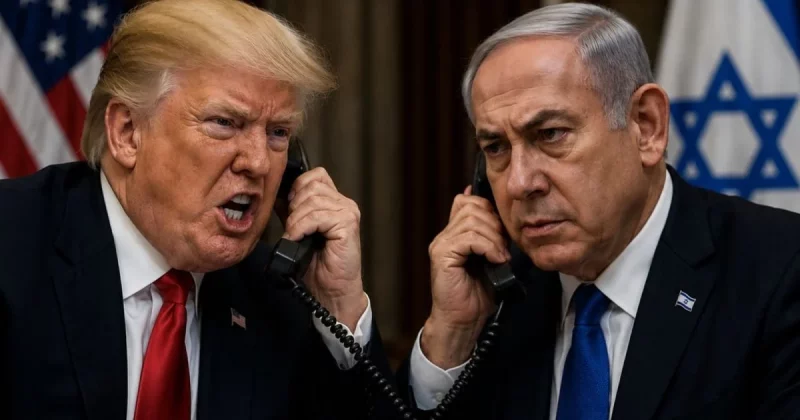
Donald Trump announced he would call Israeli Prime Minister Benjamin Netanyahu to tell him not to retaliate against Iran, inserting himself directly into a Middle East escalation that has already sent Bitcoin on a rollercoaster ride.
The intervention came after Iranian missile strikes on Israel, which Trump characterized as causing no casualties. His message to both sides was blunt: you each got your shot, now sit down and talk.
The call and what followed
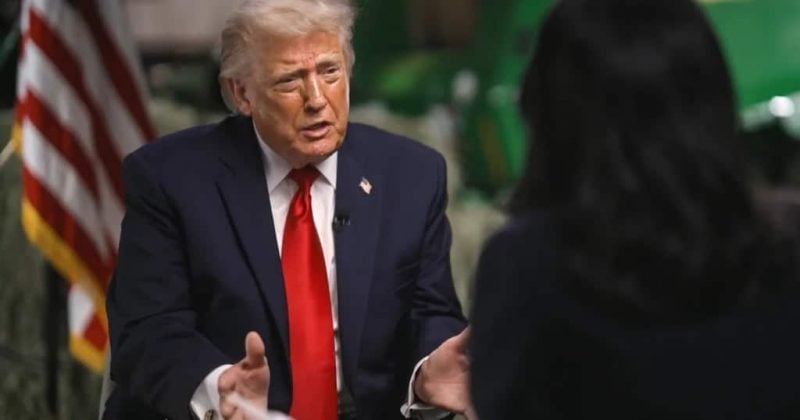
Trump framed the situation with characteristic simplicity. Israel had “its strike” and Iran had “its strike,” he said, arguing that both nations should pivot back to diplomatic negotiations rather than risk further escalation.
The Iranian strikes came in response to Israeli military actions in Lebanon, but Trump emphasized that no injuries resulted. He positioned the US as being “very close to a final deal” on the Iran nuclear issue, casting himself as the indispensable mediator between two nations with decades of mutual hostility.
Both Israel and Iran signaled a pause in hostilities in the aftermath, giving markets a brief window of optimism. Israel reportedly conducted strikes on Iranian targets shortly after, suggesting that Netanyahu’s willingness to take Trump’s advice has limits. The situation remains fluid, with ongoing concerns about Iranian military activity and Hezbollah’s role in the broader regional conflict.
Bitcoin’s geopolitical mood swings
Bitcoin surged 5%, briefly climbing above $64,000 on de-escalation hopes. When tensions reignited, Bitcoin retraced below $63,000, giving back most of its gains.
Trading volume surged during the volatility window. The 5% swing in a matter of hours is notable but not unprecedented. What is different this time is the speed of the round-trip. The rally and reversal happened within the same news cycle, suggesting that algorithmic and momentum traders are increasingly dominant in these event-driven moves.
What this means for crypto investors
The key distinction is timeframe. In the first hours of a geopolitical shock, Bitcoin sells off alongside risk assets as traders reduce exposure across the board. Investors who panic-sold during the initial tension spike and missed the 5% rally learned that lesson the expensive way.
The broader question is whether US-Iran negotiations actually progress toward a deal or collapse entirely. Trump’s claim that talks are “very close” to resolution could mean anything from genuinely near completion to the kind of optimistic framing that precedes months of additional back-and-forth.
Hezbollah’s involvement adds another layer of unpredictability. The group’s actions in Lebanon are intertwined with Iran’s regional strategy, and any escalation on that front could cascade into broader market disruptions regardless of what happens on the diplomatic track between Washington and Tehran.
Disclosure: This article was edited by Editorial Team. For more information on how we create and review content, see our Editorial Policy.






 English (US) ·