
 2 hours ago
19
2 hours ago
19
For years, owning Chinese dollar-denominated bonds meant accepting a geopolitical risk premium that had nothing to do with balance sheets. The Trump-Xi summit is compressing that premium, and overseas investors are starting to notice.
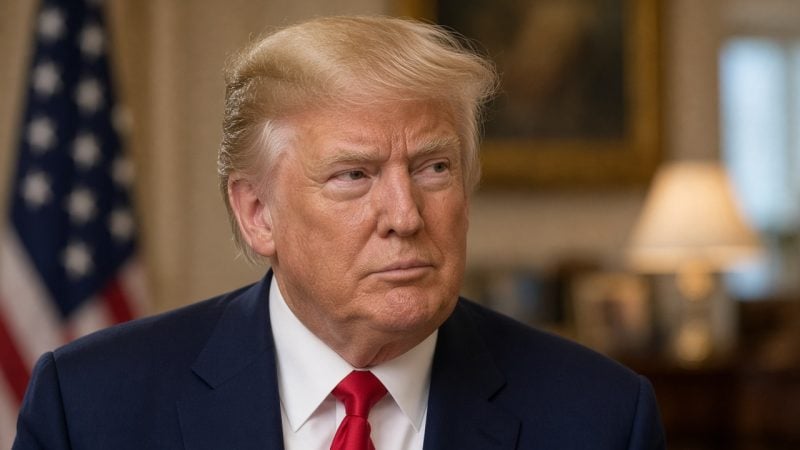
Bloomberg Intelligence reports that the meeting between President Trump and President Xi Jinping is narrowing the geopolitical discount on China dollar credit, rekindling foreign demand for some of the riskiest corners of the Chinese bond market. Lower-rated issuers, particularly in the property sector, local-government financing vehicles (LGFVs), and corporate credit, stand to benefit most.
A trade truce gets more runway
On September 22, 2026, Washington and Beijing announced a two-month extension of their bilateral trade truce, timed to coincide with Xi Jinping’s first state visit to the US since 2015.
Xi had previously met with Trump in Beijing back in May 2026, but that encounter stayed on Chinese soil. Earlier summits in 2026 produced modest commercial outcomes: Boeing aircraft purchases, agricultural deals, and the usual framework dialogues on trade and investment. The framing from both sides has shifted toward what officials describe as “constructive strategic stability.”
What’s actually moving in credit markets
The segments seeing the most interest are telling. Property-sector bonds were at the epicenter of China’s real estate crisis, with developers like Evergrande and Country Garden defaulting on dollar-denominated debt. LGFVs, the off-balance-sheet financing arms of Chinese local governments, carry their own brand of opacity that has kept many foreign investors away. Corporate issuers outside those two categories round out the list.
Bloomberg Intelligence’s observation that overseas demand is returning to these segments suggests that institutional investors are recalibrating their China allocation models. The trade truce extension gives them a defined window, two months at minimum, where the probability of a sudden tariff escalation or sanctions surprise is lower than usual.
The bigger picture for Chinese dollar credit
Beijing has taken steps to manage LGFV risks through refinancing programs and debt swaps, but foreign investor confidence has been slow to return.
What investors should watch
The two-month window announced on September 22 gives markets a concrete timeline. The secondary market performance of property-sector bonds over the next several weeks will serve as a useful barometer, as these names carry the most distress, the most sensitivity to sentiment shifts, and the most potential upside if the geopolitical discount genuinely compresses.
Disclosure: This article was edited by Editorial Team. For more information on how we create and review content, see our Editorial Policy.




 English (US) ·